
3L Engine for Sale in Pretoria: Toyota 2.8 Diesel Replacement Engine Guide
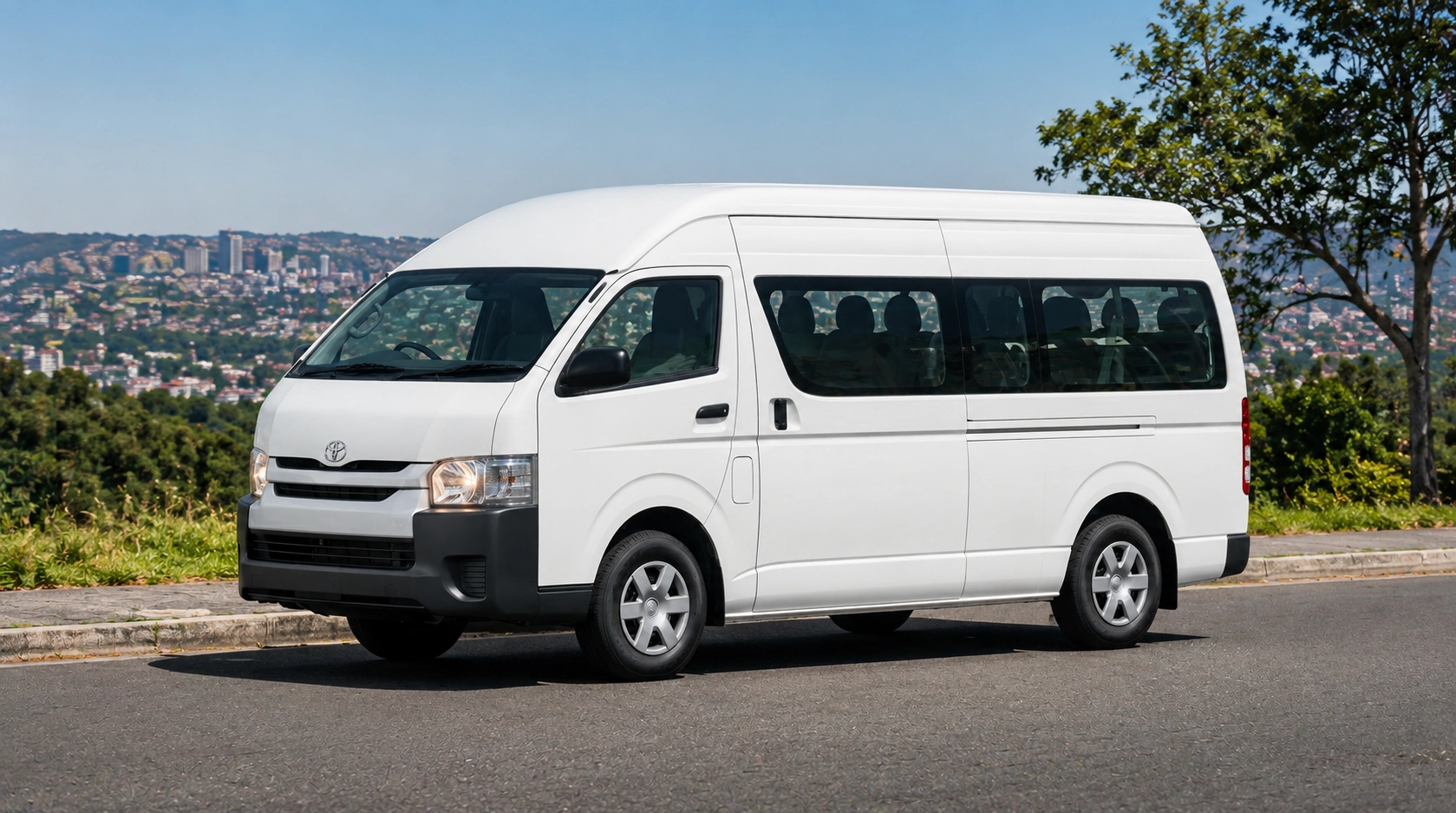
The Toyota 3L engine is a well-known 2.8-litre naturally aspirated diesel. Toyota used it in selected Hilux, HiAce and other utility vehicles. The 3L designation is an actual Toyota engine code, not a generic three-litre description.
The engine has a displacement of about 2,779 cc. Buyers looking for a 3L engine for sale in Pretoria should check more than capacity alone. Confirm the model, gearbox, sump, mounts and fuel-system configuration.
This guide covers Toyota 3L specifications, applications, timing-belt maintenance and diesel-injection basics. It also explains common problems and replacement checks.
Buyers can view the Toyota 2.8L 3L diesel from LRD Pretoria.
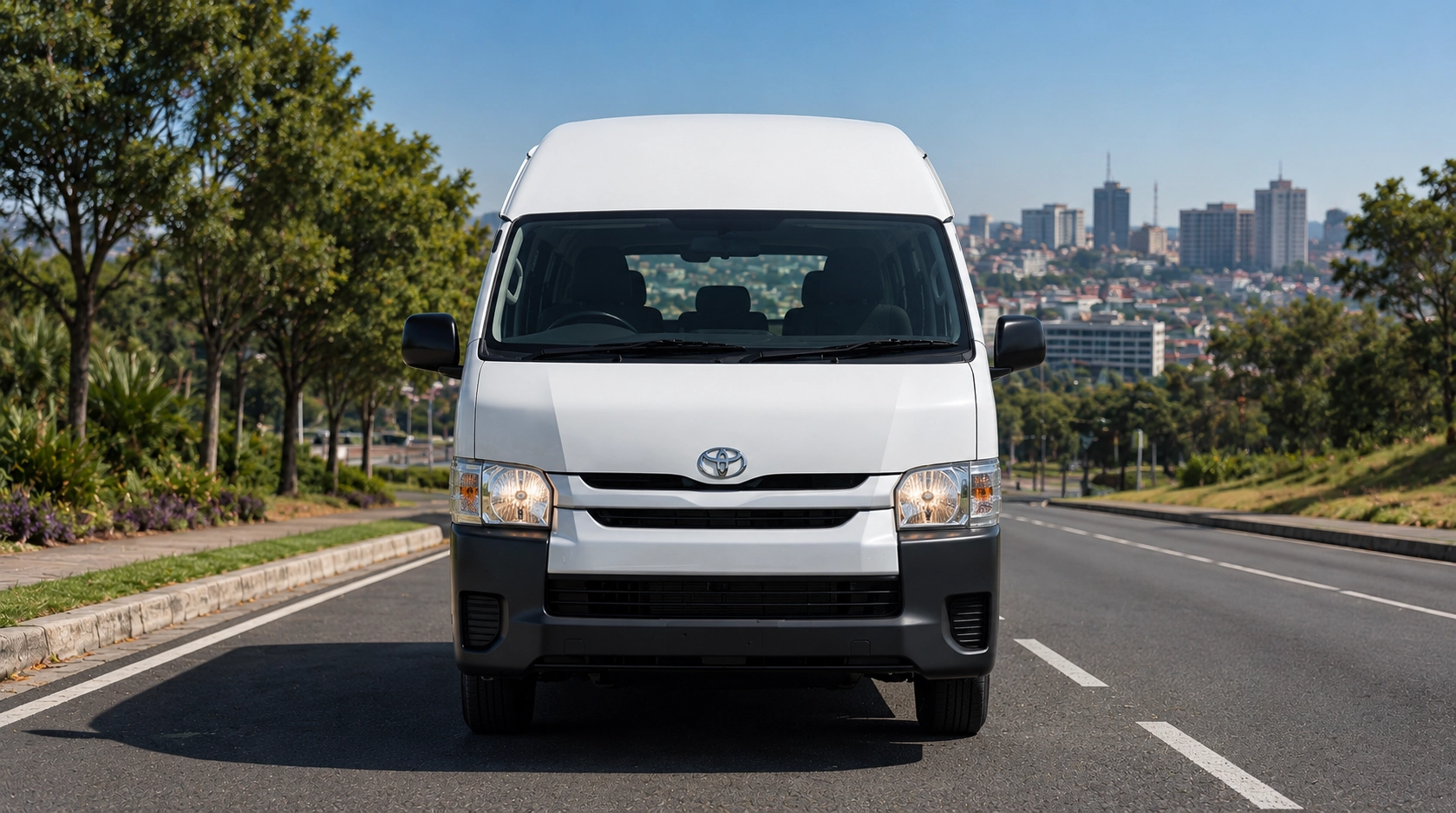
What Is a Toyota 3L Engine?
The Toyota 3L is a naturally aspirated four-cylinder diesel from Toyota's L-series family. Toyota developed this engine family for utility and commercial applications.
Toyota's official vehicle archive identifies the fifth-generation Hilux with the 3L diesel. Toyota records its displacement as 2,779 cc.
The engine uses an inline four-cylinder layout and indirect diesel injection. Its cylinder head uses a single overhead camshaft and eight valves. A timing belt drives the camshaft.
The standard version does not use a factory turbocharger.
Toyota 3L Diesel Specifications
Use the following specifications when comparing a Toyota 3L replacement. Engine capacity alone does not confirm vehicle compatibility.
Specification | Toyota 3L | Why It Matters |
|---|---|---|
Engine code. | 3L. | Primary replacement identifier. |
Capacity. | 2,779 cc or about 2.8 litres. | Do not confuse it with the newer GD-6. |
Cylinder layout. | Inline four-cylinder. | Standard Toyota L-series configuration. |
Fuel type. | Diesel. | Requires diesel-specific fuel components. |
Aspiration. | Naturally aspirated. | No factory turbocharger on the standard version. |
Injection type. | Indirect diesel injection. | Different from modern common-rail diesels. |
Valve train. | SOHC with eight valves. | Uses two valves per cylinder. |
Timing drive. | Timing belt. | Important maintenance item. |
Cooling. | Water-cooled. | Cooling-system condition is critical. |
Common applications. | Hilux, HiAce and selected utility vehicles. | Confirm the exact model and year. |
Do not confuse this older Toyota diesel with the modern 2.8 GD-6. The 3L uses indirect injection and has 2,779 cc capacity. The GD-6 uses a different 2,755 cc turbo-diesel design.
The modern GD-6 also uses electronically controlled common-rail direct injection.
Which Toyota Vehicles Use the 3L Diesel?
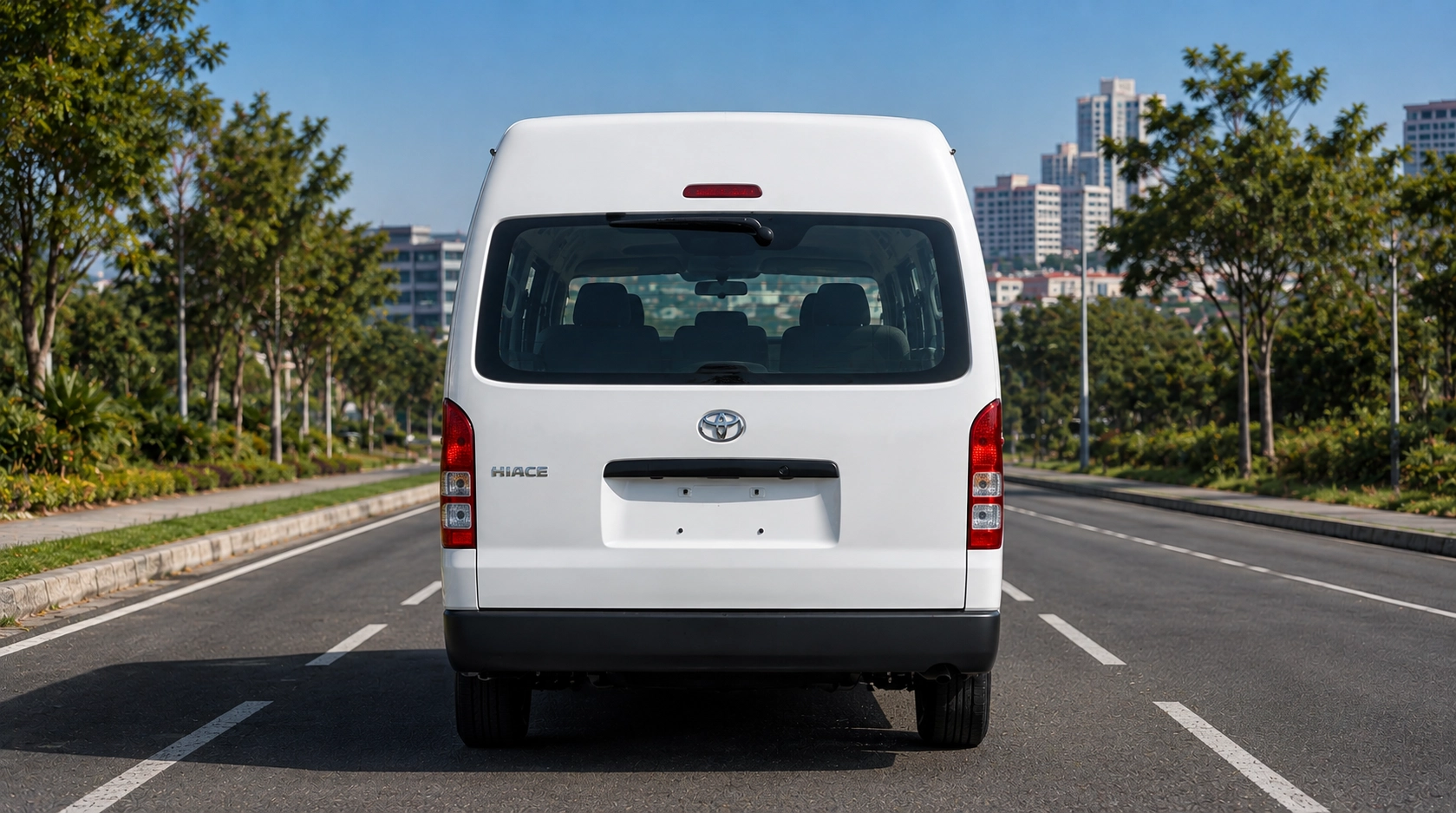
Toyota used the 3L in several utility and commercial vehicles. Applications vary according to market and production year. Known applications include selected Toyota Hilux and HiAce models.
Some markets also used this diesel in the Hilux Surf or 4Runner. Selected commercial and Land Cruiser-related applications used the L-series diesel too.
Toyota's historical records confirm the 3L in fifth-generation Hilux models, including the LN106 family. External components can still vary between vehicle types.
Is Every Toyota 3L Interchangeable?
No. Two vehicles can use the same 3L code while using different external components. The sump, oil pickup and engine mounts can differ between applications.
Intake manifolds, exhaust manifolds and injection-pump setups may also vary. Accessory brackets, flywheels and clutch components can differ between vehicles.
A Hilux and HiAce may use the same basic long block. However, installers may need to transfer vehicle-specific parts.
How Do You Identify the Correct Toyota 3L Replacement?
Use the engine code together with the vehicle details. Start with the complete VIN, Toyota model and production year. Then confirm the gearbox type.
Confirm that the vehicle uses the 2.8-litre diesel version. For a Hilux, specify whether the vehicle is 4x2 or 4x4.
Take clear photographs of the original unit. Include the injection pump, sump, mounts and gearbox side.
Buyers can contact LRD Pretoria with these details before purchase.
Is the Toyota 3L Turbocharged?
No. The standard Toyota 3L uses natural aspiration. It draws air into the cylinders without a turbocharger.
This separates it from later Toyota turbo-diesel engines. A turbo conversion does not form part of the original factory specification.
Is the Toyota 3L a Common-Rail Diesel?
No. This older Toyota diesel predates the company's modern common-rail systems. It uses indirect diesel injection instead.
The fuel system does not use high-pressure common-rail direct injection. This makes it mechanically simpler than later Toyota diesel systems.
Later engines include the 1KD-FTV, 2KD-FTV, 1GD-FTV and 2GD-FTV. These belong to different engine families.
What Is Indirect Diesel Injection?
Indirect injection sends diesel into a small pre-combustion chamber. The fuel does not enter the main cylinder chamber directly.
The Toyota 3L commonly uses a mechanical diesel injection pump. It also uses conventional diesel injectors and glow plugs.
Injection pressure is lower than in a modern common-rail system. Correct pump timing, injector condition and compression still matter.
Does the Toyota 3L Use a Timing Belt or Timing Chain?
The Toyota 3L engine uses a timing belt. The belt keeps the crankshaft and camshaft correctly synchronised.
The system also includes tensioner and idler components. Camshaft and crankshaft seals sit near the timing system.
Check the belt when the replacement's service history is unknown.
What Happens if the Toyota 3L Timing Belt Fails?
Timing-belt failure causes the crankshaft and camshaft to lose synchronisation. The diesel can stop immediately.
The failure may also cause valve-timing problems. Serious failures can damage cylinder-head components or valves.
Inspect or replace an unknown timing belt before installing a used replacement.
What Common Problems Affect the Toyota 3L?
The Toyota 3L has a simple workhorse design. Age, mileage and poor maintenance can still cause problems.
The injection pump can wear over time, while diesel injectors may lose performance. Glow-plug faults can also make cold starting difficult.
Timing belts can deteriorate through age and use. Oil leaks and cooling-system problems can develop as the vehicle gets older.
Overheating may damage the cylinder head or head gasket. Older examples can also suffer low compression, piston-ring wear and bearing damage.
What Causes Hard Starting on a Toyota 3L?
Hard starting can come from the fuel, glow-plug or starter systems. A weak battery or worn starter can reduce cranking speed.
Faulty glow plugs may make cold starts difficult. Air entering the diesel system can delay fuel delivery.
A restricted fuel filter, injection-pump wear or injector faults can also affect starting. Incorrect injection timing can create similar symptoms.
Low compression may indicate internal wear. Check the supporting systems before replacing the complete diesel engine.
Why Might a Toyota 3L Lose Power?
A Toyota 3L can lose power for several reasons. A dirty air filter can restrict airflow, while a blocked diesel filter can limit fuel supply.
Injection-pump wear and worn injectors can affect combustion. Incorrect injection timing may also reduce engine performance.
An exhaust restriction can limit power. Low compression may cause more serious performance loss.
What Causes Black Smoke From a Toyota 3L?
Black smoke usually points to excessive fuel or insufficient air. A dirty air filter can restrict intake airflow.
Worn injectors, poor pump calibration or incorrect injection timing can also increase smoke. A restricted intake may make the problem worse.
Persistent black smoke needs proper diagnosis.
What Causes Blue Smoke From a Toyota 3L?
Blue smoke usually means the diesel is burning oil. Worn piston rings or cylinder wear can allow oil into the combustion process.
Valve-guide or valve-seal wear can also increase oil consumption. Excessive crankcase pressure may contribute.
Other signs include frequent oil top-ups, excessive blow-by and low compression.
What Causes White Smoke From a Toyota 3L?
White smoke can indicate incomplete diesel combustion. It can also point to coolant entering a combustion chamber.
Faulty glow plugs, incorrect injection timing and injector problems can cause white smoke. Low compression can produce similar symptoms.
Head-gasket damage can also allow coolant into the cylinders. Diagnose the problem before buying another engine.
Can Overheating Damage a Toyota 3L?
Yes. Severe overheating can damage the head gasket and cylinder head. Extreme heat may distort or crack the cylinder head.
Overheating can also reduce compression. Pistons and bearings may suffer damage in severe cases.
Low coolant, a blocked radiator or thermostat failure can raise engine temperature. Water-pump faults can also restrict coolant circulation.
Damaged hoses or cooling-fan problems may also cause overheating. Repair the cooling fault before installing a replacement.
When Should a Toyota 3L Be Repaired or Replaced?
First identify the cause of the problem. Then compare the repair cost with the price of a compatible replacement.
Option | When It May Make Sense | Main Consideration |
|---|---|---|
Fuel-system repair. | The pump or injector fault is isolated. | The core engine still needs healthy compression. |
Timing-belt service. | The belt is old but the engine remains healthy. | Preventative maintenance reduces risk. |
Cylinder-head repair. | Damage affects only the head or gasket. | The bottom end must remain serviceable. |
Engine rebuild. | The block and major components remain repairable. | Machining and diesel parts affect total cost. |
Replacement Toyota 3L. | Internal damage is severe. | Match the correct external configuration. |
Replacement may make sense after serious internal damage. Engine seizure, major bearing failure or a cracked block can make rebuilding uneconomical.
Very low compression can indicate extensive cylinder wear. Severe lubrication failure may also destroy internal components.
What Should You Check When Buying a Used Toyota 3L?
Check compatibility and physical condition before buying a used Toyota 2.8 diesel replacement.
Check | Why It Matters |
|---|---|
3L code. | Confirms the correct Toyota diesel family. |
Donor vehicle. | Helps identify the external configuration. |
Injection pump. | Pump setup can differ between applications. |
Sump and oil pickup. | Vehicle layout can require a different setup. |
Engine mounts. | Mounting points must suit the vehicle. |
Intake and exhaust. | External manifolds may differ. |
Gearbox fitment. | Transmission-side parts must fit correctly. |
Overheating evidence. | Heat damage can affect the cylinder head. |
Oil and coolant. | Contamination can indicate internal problems. |
Timing belt. | Unknown belt history increases installation risk. |
Testing and warranty. | Clarifies condition and supplier terms. |
Buyers can view the Toyota 2.8L diesel listed by LRD Pretoria. Ask the supplier to confirm the available configuration.
What Should You Check During Toyota 3L Installation?
Inspect the surrounding vehicle systems before installing a replacement. First identify why the original diesel failed. Fix that problem before starting the replacement.
System | Recommended Check |
|---|---|
Lubrication. | Fit the correct diesel oil and filter. |
Timing system. | Inspect the timing belt, tensioner and idlers. |
Cooling system. | Check the radiator, thermostat, pump and hoses. |
Fuel system. | Check the filter, lines, pump and injectors. |
Glow system. | Inspect the glow plugs and starting system. |
Mounting. | Compare the mounts and brackets. |
Transmission. | Inspect the flywheel, clutch and gearbox connection. |
Exhaust. | Check the manifold and exhaust connection. |
After installation, verify oil pressure and coolant circulation. Confirm that the diesel reaches a stable operating temperature.
Check injection timing and idle quality. Inspect the fuel system for diesel leaks. Also check for oil and coolant leaks.
Does the Gearbox Matter When Buying a Toyota 3L?
Yes. Include the gearbox when confirming replacement compatibility. Flywheel, clutch, starter and bellhousing components can differ between applications.
Check the gearbox mounting configuration before installation. Also confirm whether the vehicle uses 4x2 or 4x4.
A HiAce donor may require different external parts when fitted to a Hilux.
Does 4x2 or 4x4 Matter With a Toyota 3L?
Yes. Drivetrain layout can affect several surrounding components. The basic long block may remain similar.
The sump shape, oil pickup and engine mounts can differ. The gearbox and transfer-case arrangement may also affect fitment.
Front differential clearance can matter on 4x4 models. Always provide the drivetrain specification when ordering.
Can a HiAce 3L Fit a Hilux?
Potentially. Both vehicles can use the same Toyota diesel family. However, do not assume direct bolt-in fitment.
Compare the sump, oil pickup and engine mounts first. Then check the intake, exhaust, accessory brackets and gearbox-side components.
A compatible long block may work after transferring vehicle-specific external components.
Is the Toyota 3L the Same as the 2L?
No. Both belong to Toyota's L-series diesel family, but their capacities differ. The 3L has about 2.8 litres of displacement.
The Toyota 2L family has about 2.4 litres. Bore, stroke, internal components and fuel-system calibration can also differ.
Do not treat a Toyota 2L as an automatic replacement.
Is the Toyota 3L the Same as the 5L?
No. The 5L is a later and larger Toyota L-series diesel. The 3L has about 2.8 litres of displacement.
The Toyota 5L has about 3.0 litres. They share family characteristics, but internal components and output differ.
A 5L conversion should not be treated as a standard 3L replacement.
Is the Toyota 3L the Same as the 2.8 GD-6?
No. These engines come from completely different Toyota diesel generations.
Feature | Toyota 3L | Toyota 2.8 GD-6 |
|---|---|---|
Capacity. | 2,779 cc. | 2,755 cc. |
Aspiration. | Naturally aspirated. | Turbocharged. |
Fuel system. | Indirect diesel injection. | Common-rail direct injection. |
Control system. | Mechanically simpler. | Electronically controlled. |
Generation. | Older L-series diesel. | Modern GD-series diesel. |
The similar capacities do not make these Toyota diesels interchangeable.
Where Can You Find a 3L Engine for Sale in Pretoria?
Customers looking for a 3L engine for sale in Pretoria can view the current LRD Pretoria listing.
View the Toyota 2.8L 3L diesel here. Confirm the exact configuration before ordering.
Provide the VIN, Toyota model, production year and gearbox details. For Hilux applications, also specify 4x2 or 4x4.
Include clear photographs of the original unit. Buyers can contact LRD Pretoria for fitment assistance.
Frequently Asked Questions About the Toyota 3L
What size is the Toyota 3L?
The Toyota 3L has a displacement of about 2,779 cc. This makes it approximately a 2.8-litre diesel.
Is the Toyota 3L petrol or diesel?
The Toyota 3L is a diesel engine.
Is the Toyota 3L turbocharged?
No. The standard version uses natural aspiration.
Is the Toyota 3L common rail?
No. It uses indirect diesel injection rather than modern high-pressure common-rail injection.
Does the 3L use a timing belt?
Yes. The Toyota 3L uses a timing-belt camshaft drive.
Which vehicles use the Toyota 3L?
Known applications include selected Toyota Hilux and HiAce models. Some Surf, 4Runner and utility applications also used it.
Can a HiAce 3L fit a Hilux?
Potentially. Compare the sump, mounts, intake, exhaust and gearbox-side components before installation.
Is the 3L the same as the Toyota 5L?
No. The 3L is about 2.8 litres, while the Toyota 5L is about 3.0 litres.
Is the 3L the same as the 2.8 GD-6?
No. The older diesel uses natural aspiration and indirect injection. The modern GD-6 uses turbocharging and common-rail injection.
What details should I provide before ordering a Toyota 3L?
Provide the VIN, model, production year and engine code. Also provide the gearbox type and drivetrain configuration.
Final Advice Before Buying a Toyota 3L Replacement
Confirm that the vehicle genuinely uses the 2,779 cc Toyota 3L diesel. Do not treat the 3L code as a generic three-litre description.
This older Toyota diesel is naturally aspirated and uses indirect injection. It also uses a timing-belt camshaft drive.
It is completely different from the modern Toyota 2.8 GD-6. Check the timing belt, cooling system and injection pump before installation.
Also compare the sump, mounts and gearbox configuration.
For a 3L engine for sale in Pretoria, view the Toyota 2.8L diesel from LRD Pretoria. You can also contact LRD Pretoria for fitment assistance.