
Ford Figo Engine for Sale in South Africa: Replacement Engine Buying Guide
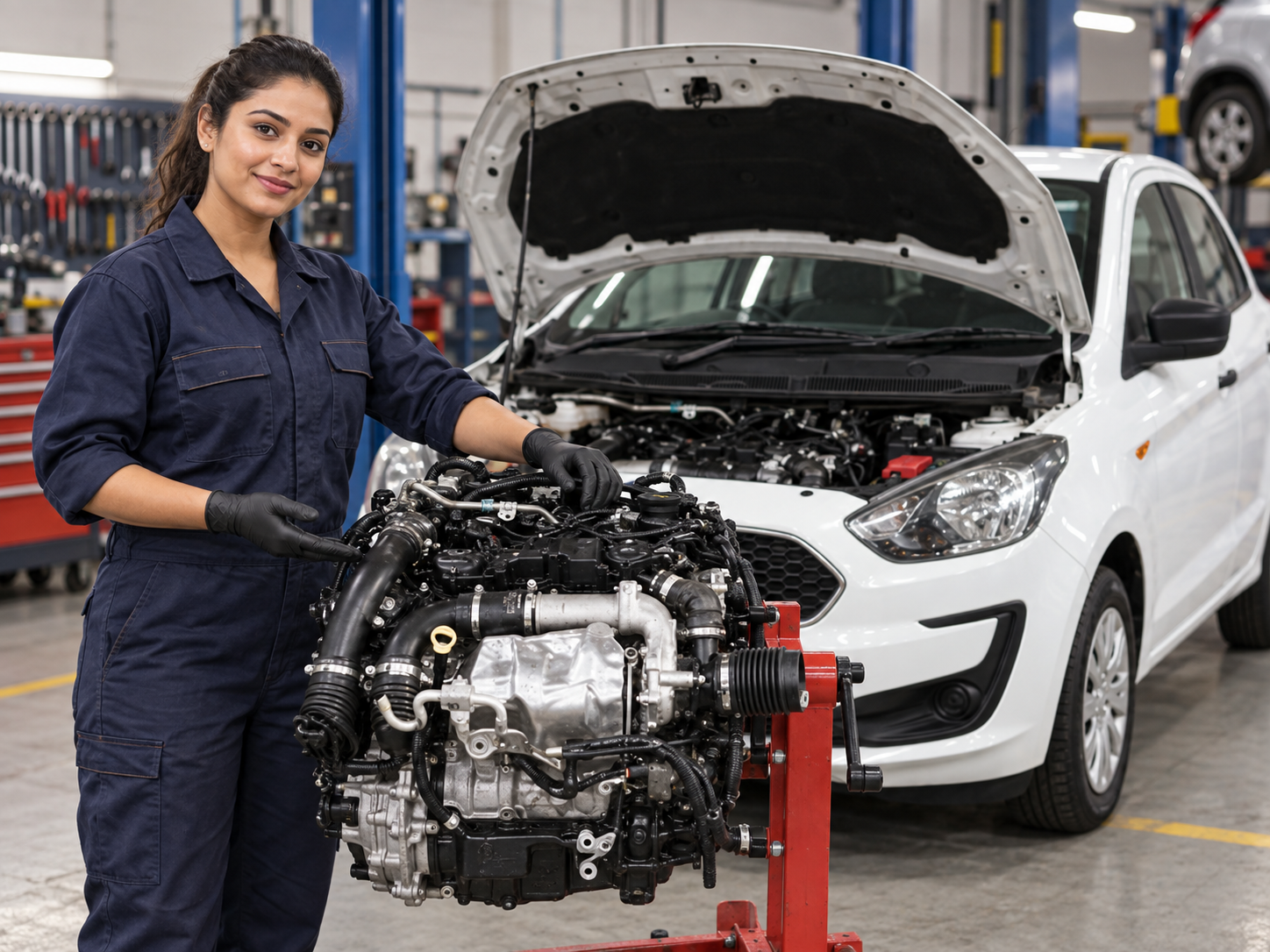
The Ford Figo became a popular compact hatchback in South Africa because of its practical size, relatively affordable running costs and straightforward everyday usability.
However, if you are looking for a Ford Figo engine, it is important to know exactly which Figo generation and engine configuration you own before buying a replacement.
South African Figo models have used several different petrol and diesel engines over the years, ranging from earlier 1.4-litre engines to later 1.5-litre petrol and TDCi units. The final facelifted models introduced another 1.5-litre petrol engine with a completely different three-cylinder design.
That means a replacement should never be purchased simply because it is advertised as a “Ford Figo engine.”
LRD Pretoria supplies and sources imported Ford engines and can assist with engine-code and fitment checks through its Ford engine and gearbox guide.
The Ford Figo model history also shows how the engine range changed substantially between generations and markets.

Which Engines Are Used in the Ford Figo?
The engine fitted to a Ford Figo depends mainly on the model generation and year.
Common South African configurations include:
Ford Figo Engine | Capacity | Fuel Type | Typical Period |
|---|---|---|---|
1.4 Duratec | 1.4L | Petrol | Earlier Figo |
1.4 Duratorq TDCi | 1.4L | Turbo Diesel | Earlier Figo |
1.5 Sigma | 1.5L | Petrol | Second-generation Figo |
1.5 DV5 TDCi | 1.5L | Turbo Diesel | Second-generation Figo |
1.5 Ti-VCT / Dragon | 1.5L | Petrol | Later facelifted Figo |
Although some of these engines share similar capacities, they belong to different engine families and use different fuel systems, electronics and supporting components.
Ford Figo 1.4 Petrol Engine
Earlier South African Ford Figo petrol models were available with a 1.4-litre naturally aspirated petrol engine.
The South African specification produced approximately 62 kW and 127 Nm.
This engine belongs to Ford's earlier small-capacity petrol-engine range and should be distinguished from the later 1.5-litre Figo petrol engines.
When looking for a replacement 1.4 Figo engine, confirm:
Vehicle year
Engine identification
Manual gearbox specification
Wiring connections
Intake manifold
Exhaust configuration
Sensors
Engine mounts
The fact that another Ford engine has a similar displacement does not automatically make it suitable.
Ford Figo 1.4 TDCi Diesel Engine
Earlier Figo models were also available with a 1.4-litre Duratorq TDCi diesel engine.
This turbo-diesel configuration differs substantially from the petrol engine because it uses:
Turbocharging
Diesel fuel injection
High-pressure fuel components
Different engine management
Diesel-specific intake and exhaust components
When replacing a 1.4 TDCi engine, the condition of the turbocharger and fuel system should also be inspected.
A failed injector, contaminated fuel system or damaged turbo can create problems for the replacement engine if the original cause of failure is not corrected.
Second-Generation Ford Figo 1.5 Petrol Engine
When the newer-generation Figo arrived in South Africa, the older 1.4 petrol engine was replaced with a 1.5-litre four-cylinder petrol engine.
This engine is commonly identified as the 1.5 Sigma.
Typical South African specification included:
Specification | Ford Figo 1.5 Sigma |
|---|---|
Capacity | 1,498 cc |
Cylinders | 4 |
Fuel | Petrol |
Aspiration | Naturally aspirated |
Power | Approx. 82 kW |
Torque | Approx. 136 Nm |
Manual gearbox | 5-speed |
Automatic option | PowerShift on selected models |
This engine powered Ambiente, Trend and Titanium derivatives in various specifications.
Even within the 1.5 petrol range, transmission and model-year differences should be checked before purchasing a replacement.
Ford Figo 1.5 TDCi Engine
Second-generation South African Figos were also available with a 1.5-litre TDCi turbo-diesel engine.
This engine is commonly associated with Ford's DV5 diesel family.
South African specification produced approximately:
74 kW
215 Nm
1.5-litre displacement
Four-cylinder turbo-diesel configuration
The additional diesel torque made this version particularly efficient for drivers covering longer distances.
However, diesel replacement-engine fitment requires more checks than engine capacity alone.
Confirm:
Fuel-injection system
Turbocharger
Injectors
Engine management
Wiring
Gearbox
Exhaust and emissions equipment
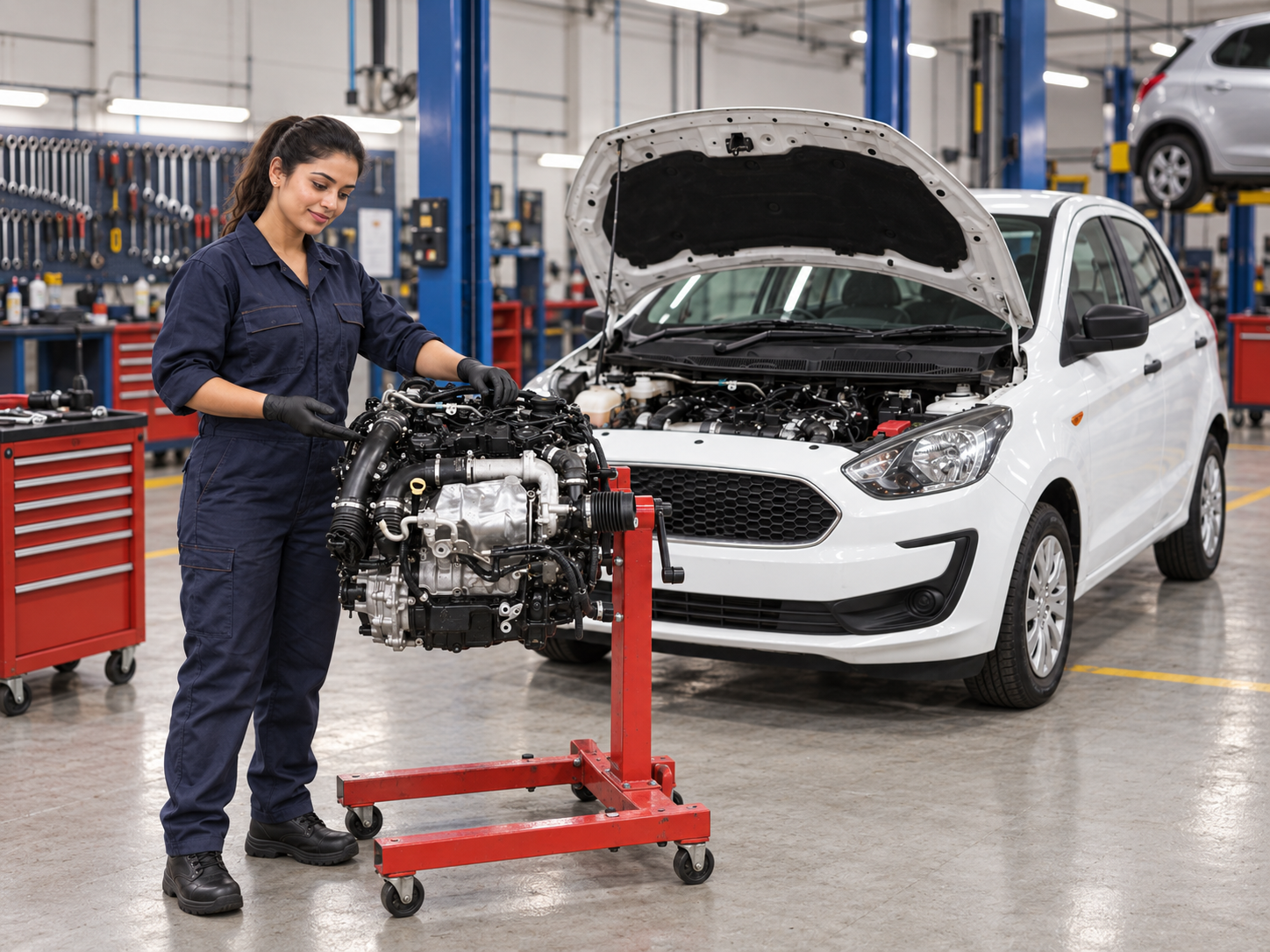
Later Ford Figo 1.5 Three-Cylinder Engine
The Figo received another significant engine change with its later facelift.
The previous four-cylinder 1.5 petrol engine was replaced by a newer 1.5-litre naturally aspirated three-cylinder petrol engine.
This newer engine produced approximately 88 kW and 150 Nm in South African specification.
It belongs to Ford's newer three-cylinder engine family and is fundamentally different from the earlier 1.5 Sigma four-cylinder engine.
This means that the following two engines should not be confused:
Feature | Earlier 1.5 Sigma | Later 1.5 Petrol |
|---|---|---|
Capacity | Approx. 1.5L | Approx. 1.5L |
Cylinders | 4 | 3 |
Aspiration | Naturally aspirated | Naturally aspirated |
Power | Approx. 82 kW | Approx. 88 kW |
Torque | Approx. 136 Nm | Approx. 150 Nm |
Engine Generation | Earlier | Later facelift |
They may both be advertised as a Ford Figo 1.5 engine, but they are not the same engine.
Why Ford Figo Engine Identification Matters
This is one of the most important points when buying a replacement Figo engine.
A seller may advertise:
Ford Figo 1.4 engine
Ford Figo 1.5 engine
Figo diesel engine
Ford Figo petrol engine
None of those descriptions provides enough information on its own.
The correct replacement depends on:
Model year
Figo generation
Engine capacity
Petrol or diesel
Number of cylinders
Engine identification
Transmission
ECU and wiring
Sensors
Supporting engine components
LRD Pretoria's Ford replacement-engine guide explains why the engine code and vehicle specification need to be matched before an imported replacement engine is purchased.
How Do I Identify the Correct Ford Figo Engine?
Before requesting a replacement engine, collect as much information as possible.
Vehicle Identification Number
Provide the VIN whenever possible.
This can help establish the original vehicle specification.
Model Year
The year is particularly important on the Figo because major engine changes occurred between generations and during the facelift.
Fuel Type
Confirm whether the vehicle is:
Petrol
TDCi diesel
Engine Capacity
Determine whether the engine is:
1.4L
1.5L
Number of Cylinders
Later 1.5 petrol engines use three cylinders, while earlier 1.5 Sigma petrol engines use four.
Gearbox
Confirm whether the vehicle uses:
Manual transmission
Automatic transmission
PowerShift transmission on applicable models
Photos
Photographs of the existing engine, identification markings, intake system and wiring can help the supplier confirm compatibility.
Common Ford Figo Engine Problems
Not every mechanical problem means the complete engine needs replacing.
A qualified workshop should diagnose the vehicle before purchasing another engine.
Overheating
Cooling-system problems can result in serious engine damage.
Possible causes include:
Low coolant
Radiator problems
Thermostat failure
Water-pump failure
Cooling-fan faults
Damaged hoses
Severe overheating can result in cylinder-head, head-gasket or internal engine damage.
Timing-System Problems
Timing components are critical to maintaining correct valve and piston operation.
If a timing belt or related component fails on an interference engine, serious internal damage may occur.
When fitting a replacement engine, timing components should be inspected and replaced where required.
Low Oil Pressure
Engine oil protects critical moving components.
Low oil pressure or oil starvation can damage:
Main bearings
Connecting-rod bearings
Crankshaft
Camshaft
Turbocharger on diesel models
If the original engine suffered lubrication failure, the oil system should be properly inspected before another engine is installed.
Excessive Oil Consumption
Oil consumption can result from:
Piston-ring wear
Cylinder wear
Valve-seal problems
External oil leaks
Turbocharger problems on diesel models
High oil consumption should be diagnosed before assuming that complete engine replacement is required.
Diesel Injector Problems
TDCi engines rely on precise high-pressure fuel injection.
Injector problems can cause:
Hard starting
Rough idle
Excessive smoke
Reduced power
Poor fuel economy
Uneven combustion
Fuel contamination should also be investigated before installing another diesel engine.
Turbocharger Problems
The Figo TDCi turbocharger relies on a clean and consistent oil supply.
Turbocharger failure can result from:
Oil starvation
Contaminated oil
Excessive heat
Restricted oil lines
Foreign-object damage
General bearing wear
A damaged turbo should not simply be transferred onto a replacement engine without being inspected.
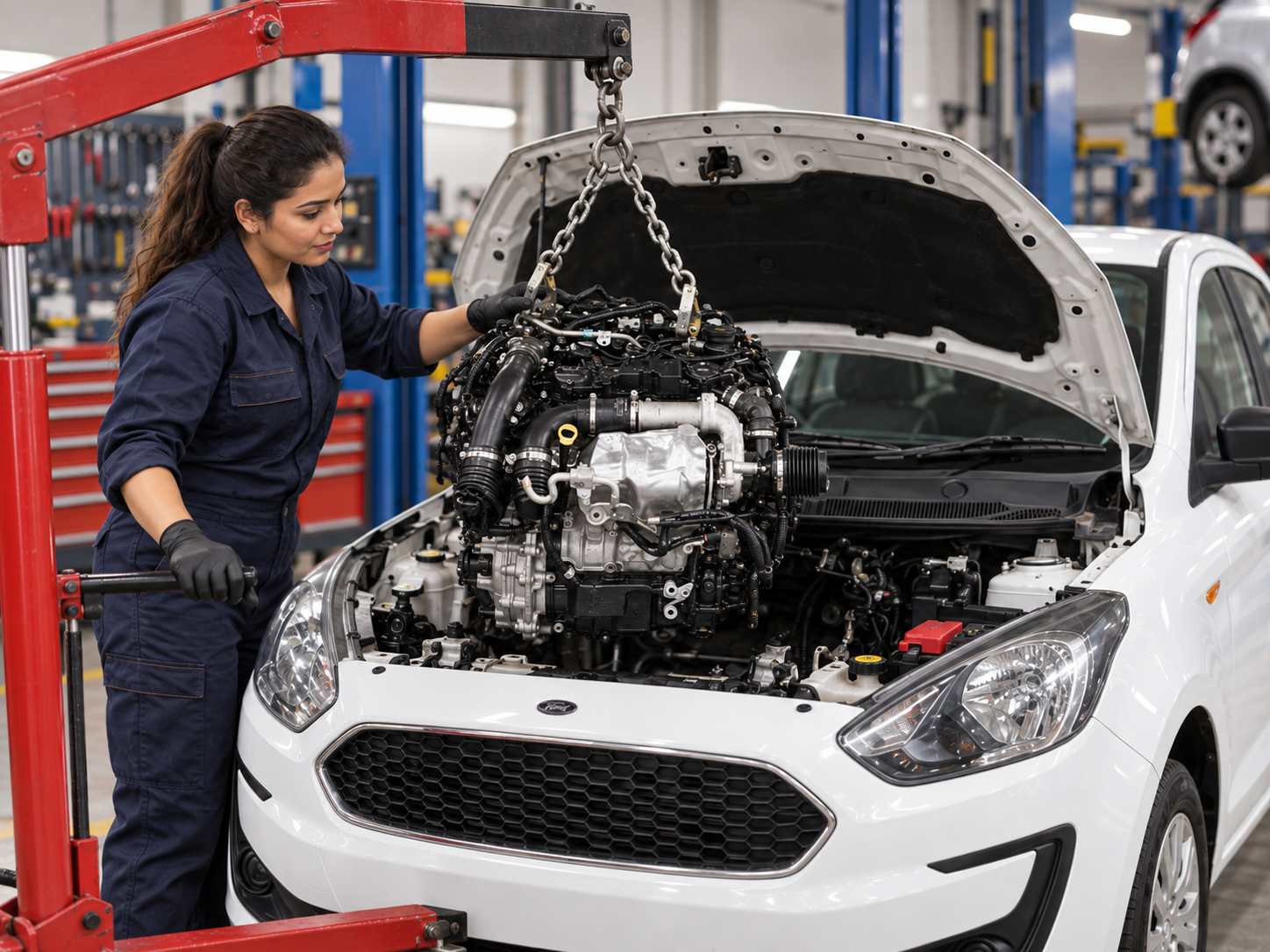
Repair, Rebuild or Replace a Ford Figo Engine?
Not every damaged Figo engine requires replacement.
A repair may be appropriate when the problem is limited to:
Sensors
Ignition components
Cooling-system parts
Fuel-system components
Minor oil leaks
Individual accessories
A rebuild can make sense when the main engine block and major components remain repairable.
Replacement becomes more practical where there is:
Severe overheating
Damaged engine block
Crankshaft failure
Major bearing damage
Broken piston
Connecting-rod damage
Extensive cylinder wear
Multiple internal failures
A rebuild quotation approaching replacement-engine cost
The condition of the original engine should determine the decision rather than age or mileage alone.
What to Check Before Buying a Ford Figo Engine
Before buying a Ford Figo engine for sale, confirm the following.
Exact Engine Specification
Do not purchase based purely on 1.4 or 1.5 capacity.
Petrol or Diesel
This should be obvious, but incorrect online listings can create confusion.
Engine Generation
A first-generation 1.4, second-generation 1.5 Sigma and later 1.5 three-cylinder engine are different units.
Transmission Compatibility
Check whether your vehicle uses a manual or automatic transmission.
What Is Included With the Engine?
Ask whether the engine is supplied with:
Intake manifold
Exhaust manifold
Alternator
Starter
Injectors
Turbocharger
Sensors
Wiring
Throttle body
Air-conditioning compressor
The components supplied can significantly affect the total installation cost.
Engine Condition
Ask whether the engine is:
Imported used
Locally used
Rebuilt
New
Warranty
LRD Pretoria supplies quality-checked Ford replacement engines with a written warranty terms confirmed with your quote. Warranty conditions and installation requirements should be confirmed before purchase.
What Should Be Checked Before Installation?
Replacing the engine without correcting the cause of the original failure can damage the replacement unit.
Before installation, a workshop should inspect the:
Cooling system
Radiator
Water pump
Thermostat
Oil system
Fuel system
Injectors on diesel models
Turbocharger on diesel models
Intake system
Exhaust system
Engine mounts
Clutch where applicable
It is also sensible to replace service items that are easier to access while the engine is outside the vehicle.
Imported Ford Figo Engines in South Africa
LRD Pretoria works with established import channels to supply quality imported Ford replacement engines to South African customers.
The company assists:
Private vehicle owners
Mechanics
Workshops
Dealerships
Repair specialists
Customers can use the LRD Pretoria Ford brand guide to learn more about Ford replacement engines or browse the wider vehicle brand hub when comparing engine options.
LRD Pretoria operates from Pretoria and provides nationwide engine delivery throughout South Africa.
Ford Figo Engine FAQs
What engine does the first Ford Figo use in South Africa?
Earlier South African Figo models were available with a 1.4-litre petrol engine and a 1.4-litre TDCi diesel engine.
What engine does the 2015 Ford Figo use?
The newer-generation Figo introduced in South Africa used a 1.5-litre four-cylinder Sigma petrol engine, while a 1.5-litre TDCi diesel was also offered.
How much power does the 1.5 petrol Ford Figo produce?
The earlier second-generation 1.5 Sigma petrol produces approximately 82 kW and 136 Nm.
What engine is in the Ford Figo 1.5 TDCi?
The South African 1.5 TDCi uses a four-cylinder turbo-diesel engine producing approximately 74 kW and 215 Nm.
Is every Ford Figo 1.5 engine the same?
No. Earlier second-generation models used a four-cylinder 1.5 Sigma petrol engine, while later facelifted Figos used a newer three-cylinder 1.5 petrol engine.
Can I fit a later 1.5 Figo engine into an earlier 1.5 Figo?
It should not be treated as a direct replacement. The engines belong to different families and have different electronics and supporting systems.
Do I need my VIN when buying a Ford Figo engine?
Providing the VIN is strongly recommended because it helps identify the vehicle's original engine and transmission specification.
Should I replace the turbo when fitting a Figo diesel engine?
Not automatically, but the turbocharger should be properly inspected. A damaged or contaminated turbo can cause problems for the replacement engine.
Does LRD Pretoria supply Ford engines?
Yes. LRD Pretoria supplies and sources petrol, diesel, EcoBoost and TDCi Ford engines and assists customers with model and engine-code matching.
Does LRD Pretoria deliver Ford engines nationwide?
Yes. LRD Pretoria provides nationwide delivery throughout South Africa.
Find a Ford Figo Engine for Sale in South Africa
If you need a Ford Figo engine, first identify the model year, generation, fuel type, engine capacity and transmission.
Do not assume that two Figo engines are interchangeable simply because both are described as 1.4-litre or 1.5-litre units.
Contact LRD Pretoria with your VIN, engine details, vehicle year and gearbox specification so the team can check the correct replacement-engine option before you buy.
You can also visit the LRD Pretoria Ford engine guide to explore Ford replacement-engine options and fitment guidance.