
CLP Engine for Sale in Pretoria: Volkswagen Polo Vivo 1.4 Replacement Engine Guide
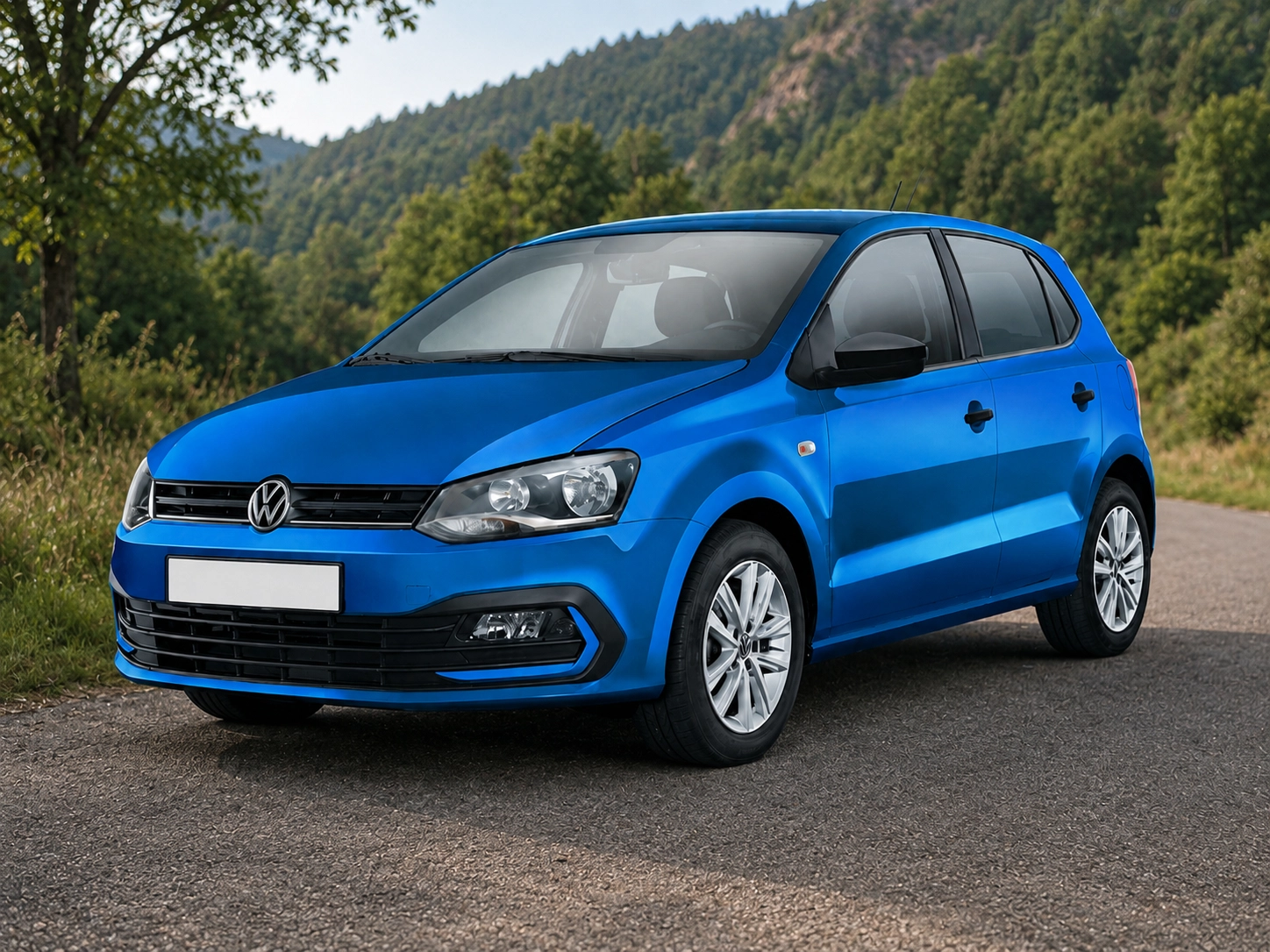
A CLP engine is a 1.4-litre naturally aspirated Volkswagen petrol engine. It appears most often in South African Polo Vivo models.
Buyers looking for a CLP engine for sale in Pretoria must first identify the exact engine version.
The vehicle may use either a CLPA or CLPB engine.
Both versions share a 1,398 cc four-cylinder design. However, their power output and calibration differ.
Some supporting components may also differ between the two versions.
Check the VIN, production year, gearbox type and engine code before buying a replacement.
This guide covers CLP specifications, compatibility, timing-chain maintenance and common engine problems. It also explains what to inspect before installation.
Buyers can view the Volkswagen 1.4 CLP engine from LRD Pretoria.
What Is a Volkswagen CLP Engine?
The CLP engine is a naturally aspirated 1.4-litre four-cylinder petrol engine.
Volkswagen used this engine family in selected Polo Vivo models sold in South Africa.
The two main versions are the CLPB and CLPA.
The CLPB produces about 55 kW and 130 Nm.
The higher-output CLPA produces about 63 kW and 132 Nm.
Both engines have an approximate capacity of 1,398 cc.
They use four cylinders, 16 valves and electronic multi-point petrol injection.
Volkswagen offered 1.4 Polo Vivo models with both 55 kW and 63 kW outputs.
The exact output depends on the vehicle derivative and engine code.
Do not assume every CLP engine for sale will fit your Polo Vivo.
Confirm the original engine code before ordering.
Volkswagen CLP Engine Specifications
Use these specifications to compare the common CLPA and CLPB engines.
Do not use engine capacity alone to confirm replacement compatibility.
Specification | CLPB | CLPA |
|---|---|---|
Capacity. | 1,398 cc. | 1,398 cc. |
Cylinders. | Inline four-cylinder. | Inline four-cylinder. |
Valves. | 16 valves. | 16 valves. |
Aspiration. | Naturally aspirated. | Naturally aspirated. |
Fuel system. | Multi-point petrol injection. | Multi-point petrol injection. |
Power. | Approximately 55 kW. | Approximately 63 kW. |
Torque. | Approximately 130 Nm. | Approximately 132 Nm. |
Compression ratio. | Approximately 10.5:1. | Approximately 10.5:1. |
Common application. | Volkswagen Polo Vivo 1.4. | Volkswagen Polo Vivo 1.4. |
Common transmission. | 5-speed manual. | 5-speed manual. |
Timing drive. | Timing chain. | Timing chain. |
Volkswagen specifications confirm the 1,398 cc capacity and four-cylinder layout.
The 1.4 versions also use four valves per cylinder.
What Is the Difference Between CLPA and CLPB?
The main difference involves power output and engine calibration.
The CLPB produces about 55 kW and 130 Nm.
The CLPA produces about 63 kW and 132 Nm.
The engines share closely related architecture. However, their supporting components can vary.
Compare the ECU, wiring and sensors before installation.
Also compare the intake system, exhaust equipment, gearbox connections and engine mounts.
For a straightforward replacement, match the original engine code whenever possible.
Which Volkswagen Models Use the CLP Engine?
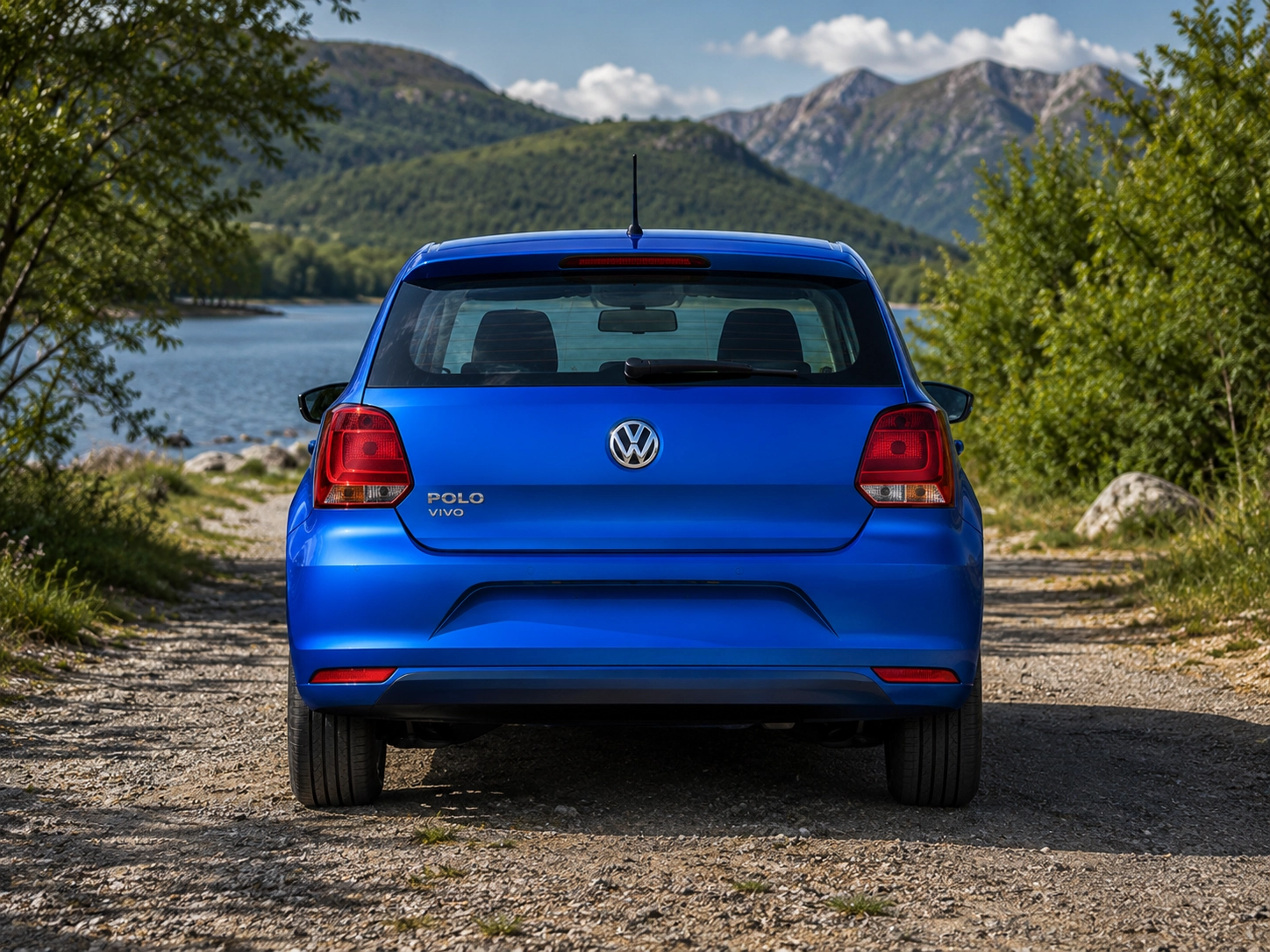
The CLP engine appears most often in Volkswagen Polo Vivo models sold in South Africa.
Applications include selected Polo Vivo hatchbacks and sedans.
Some 1.4 Trendline and Comfortline derivatives also use these engines.
The exact application depends on the production year and vehicle specification.
Do not rely on the words “Polo Vivo 1.4” alone.
Check whether the vehicle uses CLPA or CLPB before ordering.
How Do You Identify the Correct CLP Engine?
Use the engine code and vehicle details to identify the correct CLP engine for sale.
Start with the complete VIN and production year.
Then confirm the existing engine code and gearbox type.
Also check whether the vehicle has the 55 kW or 63 kW specification.
Clear photographs can help the supplier compare the original engine.
Photograph the intake manifold, wiring, sensors and gearbox side.
Buyers can contact LRD Pretoria with these details before ordering.
Does the CLP Engine Use a Timing Belt or Timing Chain?
The Volkswagen CLP engine uses a timing chain.
The chain keeps the crankshaft and camshafts correctly synchronised.
It does not follow the same replacement schedule as a conventional timing belt.
However, timing-chain components can still wear over time.
Chain stretch, worn guides and tensioner faults can cause problems.
Poor lubrication can also accelerate timing-chain wear.
Low oil pressure and sludge can increase the risk further.
Warning signs include startup rattles, timing noise and rough idle.
Drivers may also notice power loss or an engine-warning light.
Camshaft and crankshaft correlation faults can also indicate timing problems.
Why Is Engine Oil Important on a CLP Engine?
Clean oil plays an important role in CLP engine reliability.
The timing-chain tensioner and internal components need proper lubrication.
Poor oil maintenance can increase timing-chain and bearing wear.
Sludge can also restrict oil flow.
This can increase mechanical noise and reduce component life.
Use the correct oil specification and maintain regular service intervals.
What Common Problems Affect the Volkswagen CLP Engine?
The Volkswagen CLP engine has a relatively simple design.
Age, mileage and poor maintenance can still cause problems.
Common concerns include timing-chain wear, water leaks and water-pump faults.
Ignition coils and spark plugs can also cause poor running.
Other faults can involve injectors, sensors and vacuum leaks.
Throttle-body contamination can also affect idle quality and performance.
Owners may experience oil leaks or excessive oil consumption.
Cooling-system problems and low compression can also occur.
Some engines develop coolant leaks near Welsh plugs or the water pump.
Repair coolant leaks before they cause overheating.
What Causes a CLP Engine to Misfire?
A misfire does not automatically mean the complete CLP engine has failed.
Start by checking the ignition system.
A failed coil or worn spark plug can cause a misfire.
Injectors and fuel-pressure problems can produce similar symptoms.
Vacuum leaks or intake leaks can also cause poor combustion.
Sensor faults or incorrect timing can create misfires too.
Internal faults include burnt valves and low compression.
Run a diagnostic scan before replacing the engine.
A compression test can also reveal internal mechanical problems.
Why Might a Polo Vivo 1.4 Lose Power?
Several faults can reduce performance without causing major internal engine damage.
A dirty air filter can restrict airflow.
A contaminated throttle body can also reduce engine response.
Ignition and injector faults can reduce power.
Check the fuel-delivery system and engine sensors.
Inspect the timing chain if the engine develops abnormal noise.
An exhaust restriction can also affect performance.
Low compression can cause more serious power loss.
Test these systems before buying another CLP engine for sale.
Can Overheating Damage a CLP Engine?
Yes. Severe overheating can damage the CLP engine and cylinder head.
Low coolant can start the problem.
Radiator leaks and water-pump faults can also cause overheating.
A failed thermostat can prevent correct coolant circulation.
Check Welsh plugs, cooling fans and coolant hoses as well.
Severe heat can damage the head gasket.
It can also distort the cylinder head.
Overheating may reduce engine compression.
Extreme temperatures can damage pistons and bearings.
Repair the cooling-system fault before fitting another engine.
Why Might a CLP Engine Consume Excessive Oil?
Excessive oil consumption can come from internal wear or external leaks.
Worn piston rings can increase oil consumption.
Cylinder wear can produce similar symptoms.
Valve-seal wear can also allow oil into the combustion chamber.
Check the crankcase ventilation system and engine gaskets.
Warning signs include blue exhaust smoke and frequent oil top-ups.
Oily spark plugs can also indicate a problem.
Low compression may indicate more serious internal wear.
A compression test can help assess engine condition.
A leak-down test can provide additional information before replacement.
When Should a CLP Engine Be Repaired or Replaced?
First identify the cause of the engine fault.
Then compare repair costs with the price of a compatible replacement.
Option | When It May Make Sense | Main Consideration |
|---|---|---|
Ignition or sensor repair. | Compression remains healthy. | Diagnose external systems first. |
Cooling-system repair. | The engine has no internal damage. | Repair leaks before overheating occurs. |
Timing-chain repair. | The chain, guides or tensioner show wear. | Check for secondary engine damage. |
Cylinder-head repair. | Damage affects only the head or gasket. | Confirm that the bottom end remains healthy. |
Replacement CLP engine. | Internal damage is severe. | Match the correct CLPA or CLPB version. |
A replacement CLP engine for sale may make sense after serious internal damage.
Engine seizure can make replacement more economical.
Major bearing damage can also justify another engine.
Very low compression may indicate extensive internal wear.
Serious overheating or timing damage can also justify replacement.
Engine-block damage can make rebuilding uneconomical.
What Should You Check When Buying a Used CLP Engine?
Check compatibility and condition before purchasing a used CLP engine for sale.
Check | Why It Matters |
|---|---|
CLPA or CLPB code. | Confirms the required Polo Vivo specification. |
VIN and donor application. | Helps confirm model and year compatibility. |
Intake and wiring. | Connectors, sensors and intake parts can differ. |
Engine mounts and sump. | The external configuration must match the vehicle. |
Gearbox compatibility. | Transmission-side components must fit correctly. |
Overheating evidence. | Heat damage can affect compression and cylinder-head condition. |
Oil and coolant condition. | Contamination can reveal internal problems. |
Testing and warranty. | Confirms engine condition and supplier terms. |
Buyers can view the Volkswagen 1.4 CLP engine from LRD Pretoria.
Ask the supplier to confirm the exact available engine before purchase.
What Should You Check During CLP Engine Installation?
Inspect the vehicle systems before installing a replacement CLP engine.
First identify the cause of the original engine failure.
Correct that fault before installing the replacement.
System | Recommended Check |
|---|---|
Lubrication. | Fit the correct oil and filter. Confirm oil pressure after startup. |
Timing system. | Inspect the timing chain, guides and tensioner. |
Cooling system. | Check the radiator, thermostat, water pump and hoses. |
Ignition. | Inspect the spark plugs and ignition coils. |
Fuel and intake. | Check the injectors, fuel supply, hoses and throttle body. |
Electronics. | Compare the wiring, sensors and electrical connections. |
Transmission. | Inspect the flywheel, clutch and gearbox connection. |
After installation, verify oil pressure and coolant circulation.
Confirm that the engine maintains a stable operating temperature.
Check fuel trims and charging voltage.
Scan the vehicle for diagnostic fault codes.
Inspect the engine for oil, coolant and fuel leaks.
Does the Gearbox Matter When Replacing a CLP Engine?
Yes. Include the gearbox when checking CLP engine compatibility.
Volkswagen commonly paired the 1.4 Polo Vivo with a five-speed manual gearbox.
Compare the flywheel, clutch and starter arrangement before installation.
Check the bellhousing connection and gearbox mounts too.
A donor engine may use different external components.
Can a CLPA Replace a CLPB?
Possibly, but do not assume direct interchangeability.
The CLPA and CLPB have different factory outputs and calibrations.
Compare the ECU, wiring and sensors.
Check the intake system and emissions components as well.
For a standard repair, match the original CLP engine code.
Is the CLP Engine Turbocharged?
No. The common CLPA and CLPB engines use natural aspiration.
They are 1.4-litre petrol engines without a factory turbocharger.
Do not confuse them with Volkswagen TSI engines.
TSI engines use different architecture and turbocharging.
Is the CLP Engine the Same as a Polo Vivo 1.6 Engine?
No. The 1.4 CLP engine has a capacity of about 1,398 cc.
The common Polo Vivo 1.6 has a capacity of about 1,598 cc.
The 1.6 version also produces more power and torque.
Polo Vivo Engine | Approximate Output |
|---|---|
1.4 CLPB. | 55 kW. |
1.4 CLPA. | 63 kW. |
1.6 Polo Vivo. | Approximately 77 kW. |
Do not treat the 1.6 engine as a direct replacement for the 1.4 CLP.
A conversion may require mechanical and electronic changes.
Where Can You Find a CLP Engine for Sale in Pretoria?
Customers looking for a CLP engine for sale in Pretoria can view the current listing from LRD Pretoria.
View the Volkswagen 1.4 CLP engine here.
Ask whether the available engine is CLPA or CLPB.
Provide the VIN, Polo Vivo model and production year.
Also provide the engine code and gearbox type.
Include the known power specification where possible.
Photographs of the existing engine can help confirm fitment.
Buyers can contact LRD Pretoria for compatibility assistance.
Frequently Asked Questions About the Volkswagen CLP Engine
What size is the CLP engine?
The CLPA and CLPB have a capacity of about 1,398 cc.
Both are 1.4-litre four-cylinder petrol engines.
What is the difference between CLPA and CLPB?
The CLPB produces about 55 kW and 130 Nm.
The CLPA produces about 63 kW and 132 Nm.
Is the CLP engine turbocharged?
No. The common 1.4 CLPA and CLPB engines use natural aspiration.
Does the CLP engine use a timing belt?
No. The CLPA and CLPB use a timing-chain system.
Which vehicle commonly uses the CLP engine?
The Volkswagen Polo Vivo commonly uses the 1.4 CLP engine family in South Africa.
Can a CLPA replace a CLPB?
Possibly, but check the ECU, wiring, sensors and calibration first.
Matching the original engine code remains the safer approach.
Is the CLP engine the same as a Polo Vivo 1.6?
No. The CLP has about 1,398 cc displacement.
The common Polo Vivo 1.6 has about 1,598 cc.
What gearbox commonly pairs with the CLP engine?
Volkswagen commonly pairs the 1.4 Polo Vivo with a five-speed manual gearbox.
What should I provide before buying a CLP engine for sale?
Provide the VIN, production year, engine code and gearbox type.
Also include clear photographs of the original engine.
Final Advice Before Buying a Volkswagen CLP Replacement Engine
Confirm whether the original Polo Vivo uses a CLPA 63 kW or CLPB 55 kW engine.
Do not order using the description “Polo Vivo 1.4 engine” alone.
CLPA and CLPB engines share similar architecture.
However, their power output and calibration differ.
Check the timing chain and cooling system before installation.
Also compare the wiring, engine mounts and gearbox connection.
For a CLP engine for sale in Pretoria, view the Volkswagen 1.4 CLP engine.
You can also contact LRD Pretoria for fitment assistance.