
DSG Gearbox Problems: The Most Common Issues Owners Experience
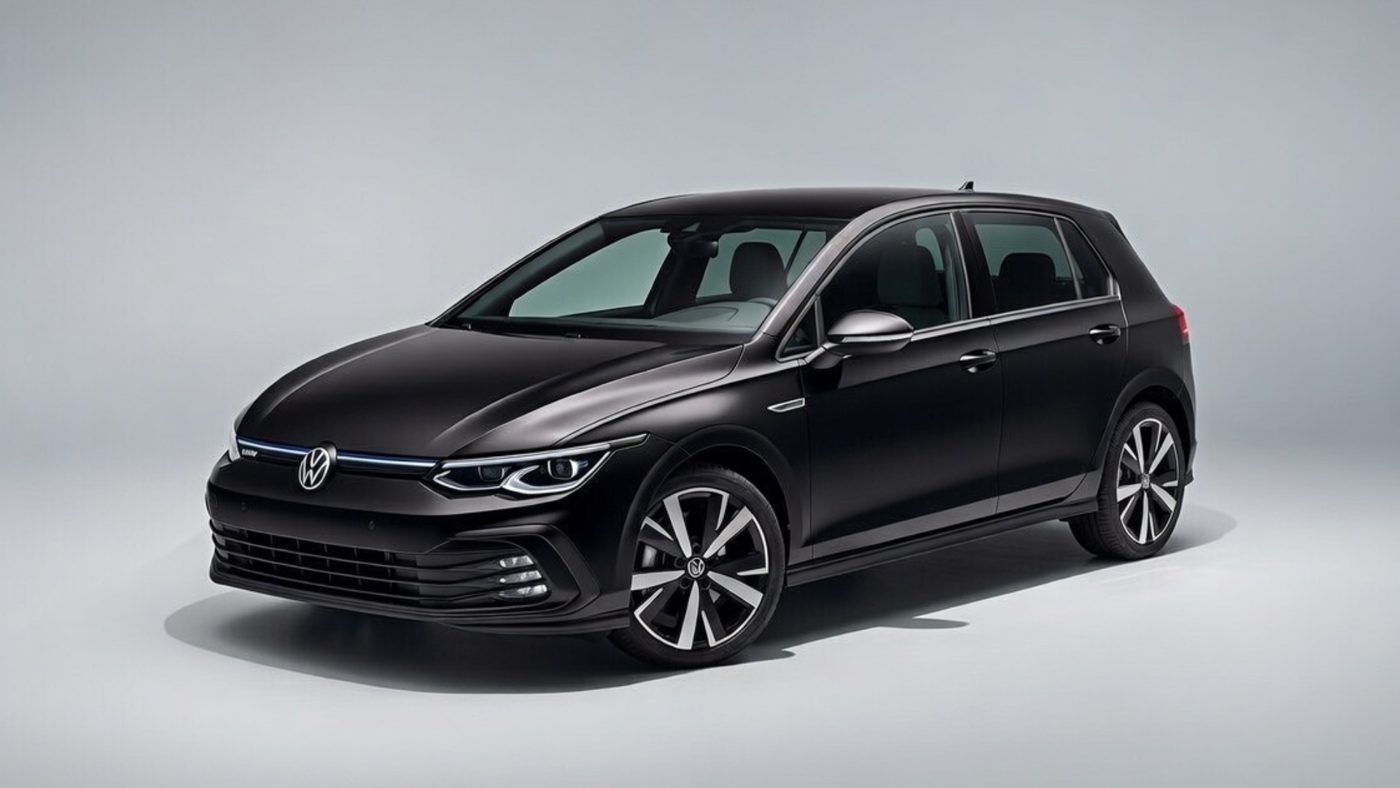
dsg gearbox problems are a common headache for owners of modern Volkswagen, Audi and some other European models across South Africa, especially when clutch packs, mechatronics or software faults start to affect drivability.
What is a dsg gearbox and how does it work?
The term dsg gearbox stands for Direct-Shift Gearbox — Volkswagen Group's brand name for its dual-clutch transmission. It combines two separate clutches for odd and even gear sets, allowing pre-selection of the next gear and near-instant shifts without a torque converter. That design gives faster shift times, better fuel economy and sportier response compared to many traditional automatic gearboxes. According to Wikipedia, Volkswagen introduced its DSG technology in production cars in 2003.
Why do Volkswagen and Audi owners experience DSG gearbox problems?
Owners often ask why DSGs, which are marketed for performance and efficiency, develop faults. The reasons are a mix of mechanical, electronic and service-related issues. A DSG is more complex than a conventional manual or torque-converter automatic because it combines clutch packs, hydraulic actuators, solenoids and a mechatronic control unit (MCU) that manages engagement, hydraulic pressure and shift timing. In practice problems arise from:
- Clutch wear caused by heavy traffic or improper driving style.
- Mechatronic failures from contaminated transmission fluid or internal leaks.
- Software or ECU communication issues affecting shift logic and limp modes.
Manufacturers including Volkswagen and aftermarket technical resources such as Bosch publish that correct fluid type, scheduled service intervals and clean filter/strainer maintenance reduce failures—so preventive care matters.
What are the most common DSG gearbox problems?
When you hear "DSG gearbox problems" on a workshop floor, several fault types come up again and again. Common issues include clutch judder, gear slipping, delayed engagement, limp-home mode, and hydraulic/mechatronic failures. Below is a short table of common faults and typical causes.
| Symptom | Likely cause | Notes |
|---|---|---|
| Clutch judder/rough take-off | Worn clutch pack or contaminated fluid | Common in stop-start city traffic |
| Limp mode (limited gears) | Mechatronic fault or electrical issue | Often triggered by sensors or wiring faults |
| Gear slipping/false neutral | Hydraulic leak, clutch wear | Requires immediate attention |
| Strange noises / grinding | Internal gearbox wear | May need rebuild or replacement |
According to Volkswagen technical bulletins, clutch wear and mechatronic issues are among the leading warranty claims on early DSG installations. Owners in South Africa who use their vehicles for bakkie-style loads or frequent urban driving often report earlier clutch deterioration.
How can I diagnose DSG gearbox issues?
Diagnosing DSG gearbox problems requires a mix of road-testing, OBD-II scan data, fluid inspection and sometimes partial teardown. Typical diagnostic steps include:
- Reading fault codes from the transmission control unit (TCU) and ECU.
- Checking transmission fluid level, colour and smell (burnt smell = problem).
- Conducting a road test to reproduce symptoms: shift delays, judder, noises.
- Inspecting wiring, grounds and connectors to the mechatronic unit.
- Compression/pressure checks inside the transmission when required.
Many workshops in Pretoria and around South Africa now offer VIN/ECU compatibility checks and mechatronic bench tests to isolate electrical faults from mechanical ones. If you have a workshop that offers Email/video cold-start proofs and documented leak-down or compression test reports, those help speed diagnosis and warranty claims.
When is repair vs replacement recommended for a DSG gearbox?
Deciding whether to repair a DSG gearbox or replace it depends on fault type, vehicle value, available parts and cost. Small issues such as solenoid replacement, fluid and filter change, or clutch pack replacement can be repaired economically. Major internal damage, repeated mechatronic failure or catastrophic wear often pushes the balance toward replacement with a rebuilt or second-hand gearbox.
Considerations include:
- Vehicle age and market value (repairing a low-value vehicle may not be cost-effective).
- Availability of warranty-backed rebuilt units or OEM second-hand gearboxes.
- Workshop capability: some specialists offer full DSG rebuilds; others prefer drop-in replacement boxes.
Many fleet and workshop owners in South Africa find that cost-effective replacements vs rebuilds hinge on access to imported Japanese/German engines and transmissions, VIN/ECU compatibility checks, and core exchange programs. LRD Pretoria and similar suppliers offer warranty-backed units with clear return and warranty terms to help make that decision safer.
Can second-hand or rebuilt DSG gearboxes be trusted?
Yes — when sourced from reputable suppliers who provide compression-tested engines, leak-down reports, and warranty-backed units. Buying a used or rebuilt DSG requires diligence: ask for detailed test reports, core exchange terms, ECU/VIN compatibility checks, and a clear warranty. Rebuilt units that use OEM or high-quality aftermarket parts and are fitted by experienced technicians are often a cost-effective long-term solution.
Checklist when evaluating second-hand/rebuilt DSG gearboxes:
- Warranty length and what it covers (labour, parts, ECU compatibility).
- Whether the unit is compression-tested and flow-checked where applicable.
- Whether the supplier offers VIN fitment support and same-day collection in Pretoria or door-to-door delivery across South Africa.
We recommend buying from suppliers that specialise in second-hand gearboxes and drivetrain components, and that can supply test videos or Email evidence of unit operation prior to sale.
How much does fixing a DSG gearbox cost in South Africa?
Costs vary by fault, vehicle model and whether you choose repair, rebuild or replacement. Typical ballpark ranges (illustrative):
- Fluid and filter change with basic diagnostic: relatively low — often under ZAR 2,000 depending on workshop and parts used.
- Solenoid/mechatronic repairs: medium — can range from ZAR 5,000 to ZAR 20,000 depending on part prices and labour.
- Full clutch pack replacement or rebuild: higher — often ZAR 20,000–ZAR 45,000 depending on model and parts.
- Warranty-backed second-hand/rebuilt replacement: variable — may be similar to or below rebuild cost once labour and core exchange discounts are considered.
According to workshop sourcing data, using imported Japanese/German engines, or aftermarket OEM gearbox cores, can reduce the overall cost when compared to an extensive in-situ rebuild. Always get an itemised quote and confirm whether the price includes VIN/ECU compatibility work and software coding where required.
How to prolong the life of a DSG gearbox?
Extending the life of your dsg gearbox is mainly about correct servicing, driving habits and prompt attention to symptoms. Key recommendations:
- Use the correct manufacturer-specified transmission fluid and replace it at recommended intervals.
- Avoid excessive clutch slipping — for example, avoid long hill holds and reduce stop-start creeping where possible.
- Have OBD/TCU scans performed if you notice shift hesitation or unusual behaviour; early intervention is cheaper.
- Keep mechatronic connectors and wiring clean and dry; corrosion can cause intermittent faults.
Bosch and other technical authorities emphasise that scheduled fluid changes and avoiding heavy-load low-speed driving significantly reduce clutch wear and mechatronic stress. For South African drivers who use bakkies, 4x4s or load-carrying vehicles, more frequent checks are prudent.
What to look for when buying a used car with a DSG gearbox?
When considering a used VW/Audi with a DSG transmission, inspect the vehicle and service history carefully. Don't rely only on test drives; ask the seller for documentation and run an OBD scan. Key checks:
- Full service history showing DSG fluid and filter changes at recommended intervals.
- No persistent warning lights or recent ECU/TCU fault codes that have been cleared without repair.
- Road test for smooth take-off, consistent shift timing and absence of judder.
- Proof of any previous gearbox work, with receipts and parts details.
If the car has had previous gearbox repairs, request the supplier's warranty paperwork and verify that VIN/ECU coding was done properly. For peace of mind, some buyers choose vehicles where the gearbox has been replaced with a warranty-backed rebuilt unit from reputable suppliers who also provide return and warranty terms clearly documented.
How does VIN/ECU compatibility affect DSG gearbox fitment?
VIN and ECU compatibility are critical when fitting a replacement DSG gearbox. The transmission control unit and engine ECU must speak the same language: shift maps, clutch control calibration and safety parameters are often vehicle-specific. When a second-hand or rebuilt gearbox is installed, technicians may need to code or adapt the replacement TCU to the vehicle's VIN and immobiliser system.
Steps to ensure correct fitment:
- Confirm the donor gearbox's part number and compatibility with your VIN and engine code (e.g., popular engine codes like 1KD, N47, M57 may have specific pairings).
- Perform ECU/TCU coding or adaptation with factory-level diagnostic tools or specialist software.
- Obtain written confirmation from the supplier that they support VIN fitment and provide compatibility checks before purchase.
Many suppliers in South Africa, including those who handle imported Japanese/German engines and transmissions, offer VIN/ECU compatibility checks and fitment partner referrals to simplify this process.
Where to get warranty-backed replacement DSG gearboxes and fitting in Pretoria and across South Africa?
Finding a reputable supplier and workshop is crucial. Look for companies that offer core exchange programs, clear return & warranty terms, and provide compression-tested or fully rebuilt units with test reports. LRD Pretoria and similar specialists supply second-hand gearboxes, rebuilds and drivetrain components with nationwide delivery and same-day collection options in Pretoria. They also support fleet and workshop bulk orders and can assist with VIN fitment support.
When selecting a supplier or workshop, confirm these points:
- Warranties are clearly documented and cover both parts and labour where stated.
- Units are tested and sold with evidence such as videos, leak-down reports or compression tests when applicable.
- They provide support for VIN/ECU coding and referrals to experienced fitment partners.
For parts and units, consider browsing specialist categories for the vehicle brand you need — for example, VW engines and gearboxes or brand-specific second-hand units — to ensure correct match and faster turnaround. Trusted supplier pages to check include the main parts and shop pages for product categories and gearbox listings:
- LRD Pretoria main site
- LRD Pretoria shop
- VW 2nd-hand engines
- BMW 2nd-hand gearboxes
- Mercedes-Benz 2nd-hand engines
Summary: Practical next steps if you suspect DSG gearbox problems
If you suspect DSG gearbox problems, act promptly: book a diagnostic scan, gather service history documentation, and ask potential suppliers for test evidence and warranty details before committing to a repair or replacement. According to Volkswagen and Bosch technical guidance, early detection and correct fluid/servicing intervals are key to preventing expensive failures. If you need a second-hand or rebuilt DSG with VIN/ECU compatibility support, consider suppliers who provide same-day collection in Pretoria, door-to-door delivery across South Africa, and clear core exchange programmes so your workshop can get you moving again with confidence.