
Ford Ranger T6: Engine Choices, Common Failures, and What to Check Before You Buy
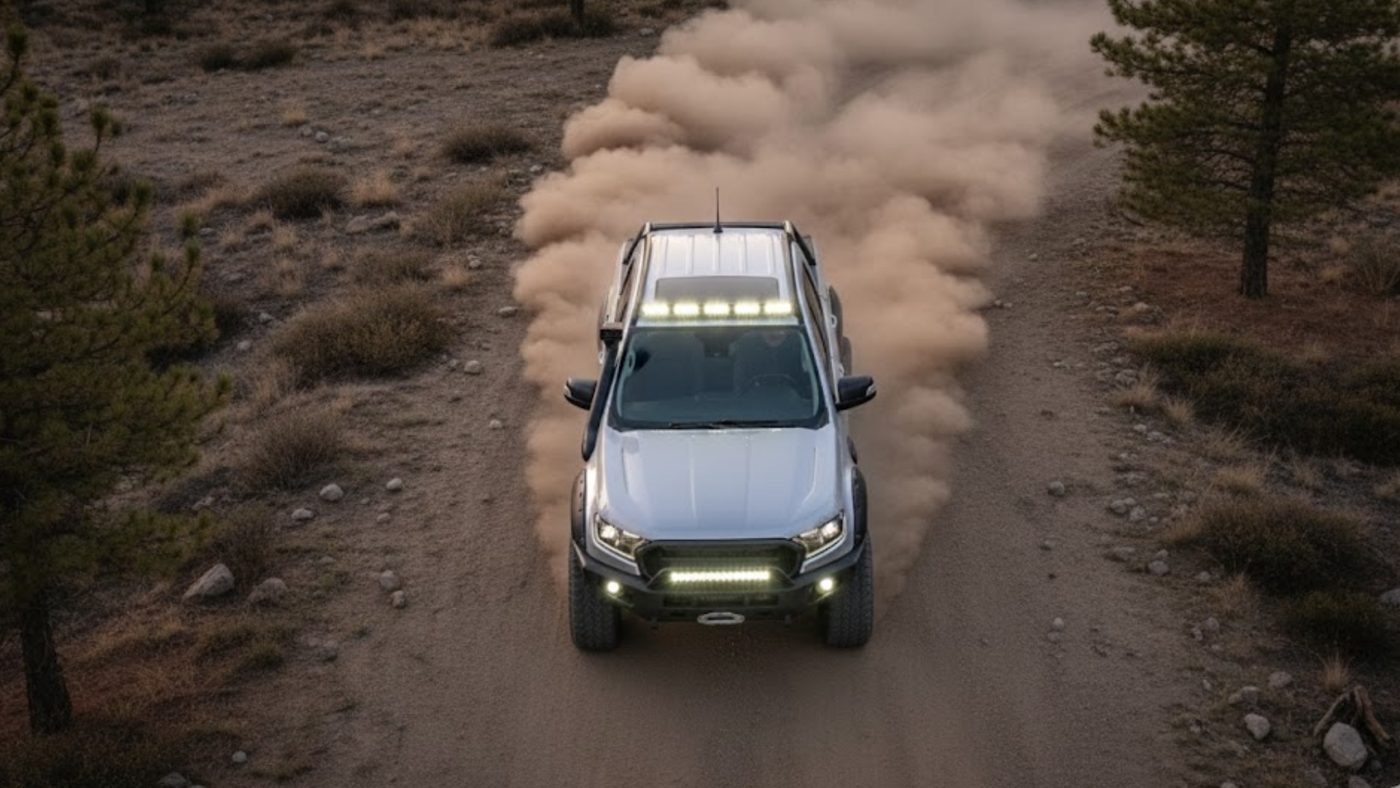
ford ranger t6 owners and buyers in South Africa need clear, practical advice on engine choices, common failures, and what to check before handing over cash — this guide covers the technical checks, market options, and workshop-ready solutions so you can buy with confidence.
What engine options came with the Ford Ranger T6 and how do they differ?
The Ford Ranger T6 was offered with a range of diesel and petrol motors globally; in South Africa the bakkie/4x4 market typically sees diesel variants most often. The common engines include 2.2 Duratorq, 3.2 Duratorq five-cylinder diesels, and later 2.0-litre EcoBlue bi-turbo petrol/diesel options depending on year and market. According to Wikipedia, the T6 platform debuted in 2011 and has been updated with different engine families across production years.
Choosing between them depends on use: the 3.2 diesel delivers better towing and low-end torque for heavy loads and off-road work, while the 2.2 is often cheaper to maintain and easier/cheaper to source second-hand parts for. Petrol variants are smoother and quieter in urban driving but can be less fuel-efficient for long-haul or heavy-duty bakkie use.
What are the most common failures to watch for on Ranger T6 engines?
Common failures differ by engine type, year and service history. For diesels, look for turbocharger wear, EGR and DPF clogging (late-model emission systems), and injector or high-pressure fuel pump problems. Automatic and manual transmissions have their own wear patterns — second-hand gearboxes may show clutch/drivetrain wear or solenoid issues on automatics. For petrol engines, ignition coil failures and intake manifold issues can show up with age.
How should I inspect a used or rebuilt Ford Ranger T6 engine before buying?
Always request a combination of objective test data and visual checks. Ask for a compression test and a leak-down report; industry best practice is to compare all cylinders for consistent readings. According to SAE International, compression and leak-down testing are standard diagnostic procedures for assessing internal engine health.
Checklist for inspections:
- Compression and leak-down reports (documented).
- Cold-start video (Email/video cold-start proofs to hear starting behavior).
- Visual inspection for oil/coolant leaks, warped manifolds, or aftermarket modifications.
- Turbo spin and shaft play check for turbocharged units.
- VIN/ECU compatibility checks for engine swaps and immobiliser issues.
Reputable suppliers will provide payment & tax invoices for claims, warranty-backed units and documented return & warranty terms. If collecting same-day in Pretoria, ask about core exchange programs and fitment partner referrals to reduce downtime.
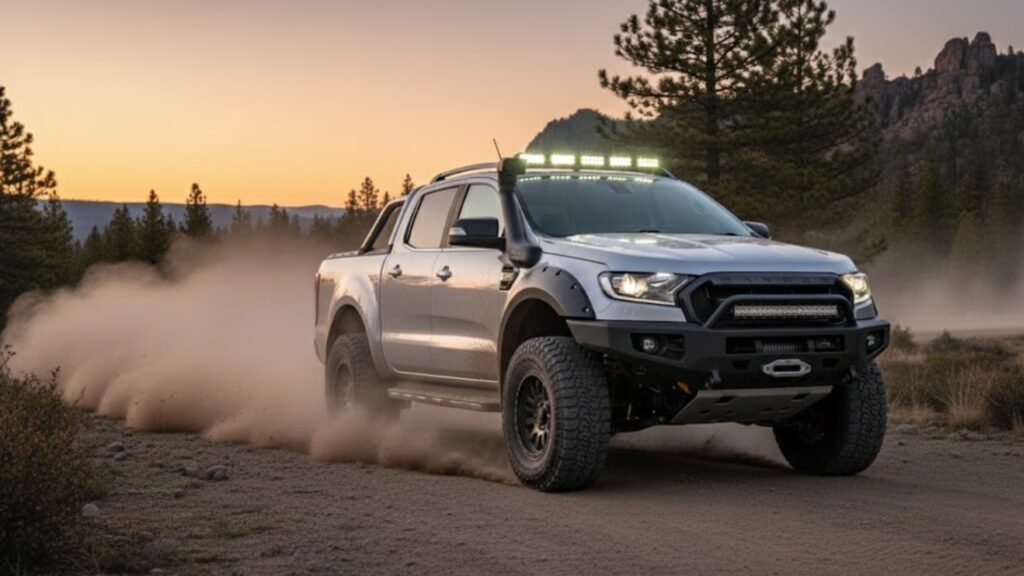
ford ranger t6: What to look for in the transmission and drivetrain?
Transmissions are a common failure point when buying second-hand bakkies. Whether automatic or manual, check for smooth gear changes, slipping, delayed engagement, unusual noises and leaks. For manual transmissions, inspect clutch slip and pilot bearing noise; for automatics, look for transmission fluid condition and any adaptive learning fault codes.
Second-hand gearboxes are widely available in the South African market; consider a rebuilt gearbox from a specialist if the unit has high kilometres. Many workshops offer compatibility checks (VIN fitment support) so the gearbox and final-drive ratios match the donor engine and chassis. If the vehicle has been imported, ensure compatibility with the ECU and immobiliser to avoid electronic driveability issues.
Rebuilt vs imported second-hand engines: which is right for my Ranger?
Rebuilt engines typically involve replacement of wear components (bearings, piston rings, gaskets), machining and reassembly with warranty-backed terms. Imported Japanese/German engines often come as low-cost used units with variable histories. In South Africa you’ll find both rebuilt engines and imported used engines on the market; the right choice depends on budget, intended use and downtime tolerance.
Pros and cons summary:
| Option | Pros | Cons |
|---|---|---|
| Rebuilt engines | Renewed internals, warranty-backed, tested | Higher cost, longer wait |
| Imported second-hand engines | Lower up-front cost, fast availability | Unknown history, variable longevity |
For workshops and fleet orders, warranty-backed rebuilt engines with documented compression-tested engines and leak-down reports are often the safest way to reduce total cost of ownership.
How to validate VIN/ECU compatibility and fitment for swaps?
VIN/ECU compatibility is critical when swapping engines or gearboxes. Many modern Rangers use engine immobiliser systems tied to the ECU; a mismatch can prevent starting or cause driveability faults. Always request VIN checks and ECU coding support from the supplier or a fitment partner. In South Africa, suppliers often offer VIN fitment support and core exchange programs to make swaps plug-and-play.
Steps to validate compatibility:
- Confirm engine code and year match the donor vehicle (popular codes like 4JJ1, 1KD, 1GD, or Ford’s Duratorq identifiers).
- Request ECU part numbers and check immobiliser pairing requirements.
- Plan for potential ECU reflashing or key reprogramming if necessary.
Partner workshops can verify via diagnostic tools before fitment; this reduces the risk of expensive follow-up visits.
What are realistic costs and timelines for replacements in South Africa?
Costs vary by engine type, rebuild level and whether you choose a used imported unit or a rebuilt warranty-backed engine. Labour and fitment add to costs — in Pretoria some suppliers offer same-day collection for in-stock units, while rebuilt engines can take days to a few weeks depending on parts availability.
Typical cost bands (approximate):
- Low-end imported used engine: cost-effective purchase price but risk of unknown wear.
- Mid-range remanufactured/rebuilt engine: higher up-front cost with warranty and tested condition.
- High-end exchange program with ECU/VIN checks and fitment partner support: fastest and most reliable, with higher cost.
Always factor in VAT, tax invoices for claims, and potential additional parts (mounts, hoses, sensors). Suppliers who provide door-to-door delivery across South Africa reduce logistics overheads for provincial buyers.
How do emissions components (DPF, EGR) affect buying decisions?
Emission systems like DPFs and EGR valves can cause headaches on high-mileage diesel Rangers. A heavily clogged DPF or malfunctioning EGR may cause persistent fault codes and reduced performance. For commercial bakkies used in town, DPF regeneration frequency and EGR carbon build-up can become early failure points.
When buying a used vehicle or engine, ask about recent DPF service, EGR cleaning or replacement history. Some buyers opt to fit a reman or new DPF and refreshed EGR to ensure compliance and reduce downtime, while others prefer engines from vehicles used on long-haul routes where DPFs see more consistent regeneration.
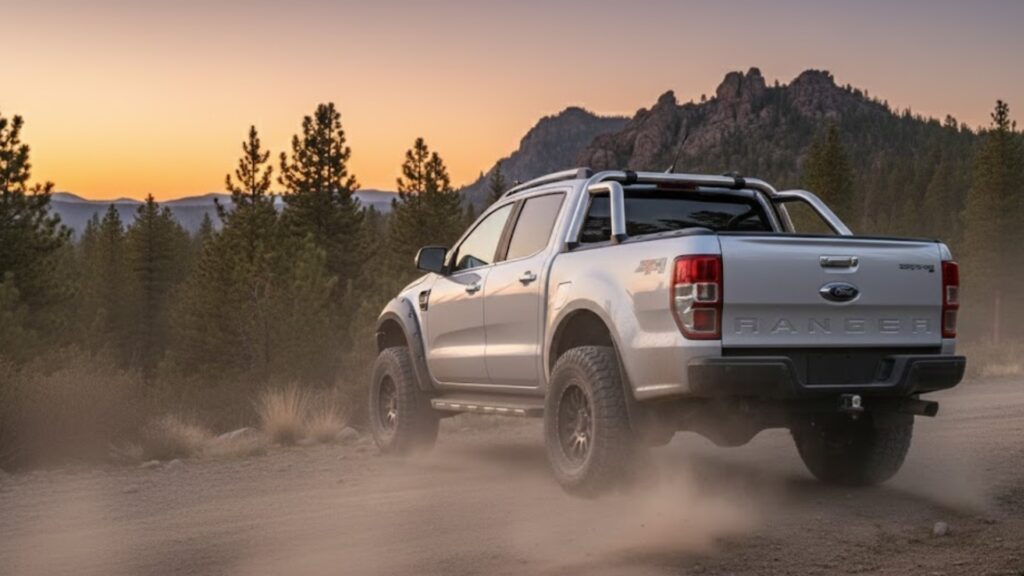
What warranty and after-sales protections should I demand?
Never accept a used engine without documented warranty terms. Look for warranties that clearly state return & warranty terms, mileage/time limits and exclusions (e.g., lack of service or abuse). Reputable suppliers in South Africa provide warranty-backed units, core exchange programs, and detailed invoices for insurance or claim support.
Red flags include: no leak-down or compression reports, refusal to provide cold-start videos, or vague return policies. Good suppliers will also offer fitment partner referrals and VIN/ECU compatibility checks, plus nationwide parts delivery if you need additional components like stripped spares or OEM & aftermarket parts.
How to test the engine yourself during a pre-purchase inspection?
If you can inspect the vehicle in person, run a systematic check: start with a cold start to listen for unusual noises, then a warm-up to observe oil pressure and coolant behavior. Use a diagnostic scanner to read fault codes and live data (fuel trims, boost pressure, injector balance). Take a test drive to check for turbo lag, transmission shift quality, and smoke on acceleration.
Essential DIY test list:
- Compression test on all cylinders (or request report).
- Oil analysis if available — can indicate bearing wear or coolant contamination.
- Leak-down test for head gasket and valve sealing assessment.
- Scan for stored and pending ECU fault codes.
If you’re not confident, bring a trusted mechanic; many workshops in Pretoria and across South Africa offer pre-purchase inspections and can confirm whether a used engine or gearbox is a cost-effective replacement vs a rebuild.
Where can I source parts, engines and workshop support in South Africa?
South Africa’s market offers many channels: local specialist suppliers, imported yards with Japanese/German engines, and rebuilding workshops that supply warranty-backed units. For direct sourcing and parts, check product categories and online shop listings from trusted suppliers. For example, LRD Pretoria offers a curated selection of second-hand and rebuilt engines as well as fitment advice and nationwide delivery — see their Ford product category and shop pages for inventory and blog guidance.
Internal resources to explore:
- LRD Pretoria homepage — company info and contact.
- Ford product category — Ford engines and components.
- Shop — current stock and purchasing options.
- Blogs — in-depth articles on common failures and maintenance.
- Isuzu category — comparison engines commonly used in bakkie work.
For fleet and workshop bulk orders, ask suppliers about core exchange programs, nationwide parts delivery and fitment partner referrals to ensure minimal vehicle downtime.
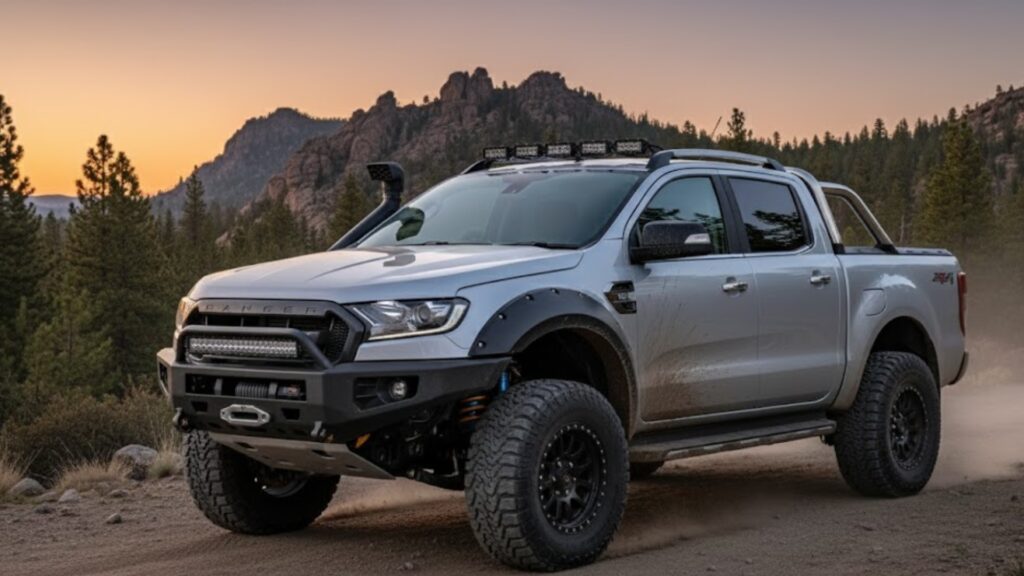
Final checklist: should I buy this Ford Ranger T6 and where do I start?
Before you buy, summarise the evidence: verified compression/leak-down reports, cold-start video, VIN/ECU compatibility confirmation, documented warranty & return terms, and clear invoicing. If the seller provides those and the vehicle’s test drive is clean, you’re much more likely to avoid surprise costs. According to industry best practice and supplier standards, these are the minimum protections buyers should require.
Practical next steps:
- Request documented compression and leak-down reports.
- Ask for Email/video cold-start proof and visual inspection photos.
- Confirm VIN/ECU compatibility and whether ECU reflash/key programming will be needed.
- Review warranty terms and ask for a tax invoice for the purchase.
- If unsure, arrange a pre-purchase inspection at a reputable Pretoria workshop or use supplier fitment referrals.
With the right tests, paperwork and supplier protections, the Ford Ranger T6 remains a capable and popular bakkie choice across South Africa for both commercial and private owners. If you need help sourcing compression-tested engines, rebuilt engines, imported Japanese/German engines, or second-hand gearboxes with VIN fitment support, suppliers can provide nationwide delivery and workshop referrals to get you back on the road quickly.
Sources and notes: According to Wikipedia, the T6 platform began in 2011. According to NAAMSA, bakkie segments remain highly traded in South Africa. According to SAE International, compression and leak-down testing are standard diagnostic procedures used by engine rebuilders and workshops.