
Golf 5 Reliability: Is the VW Hatchback Built to Last?

Golf 5 reliability is the main concern for buyers who want a compact, practical hatchback that will survive daily South African roads and years of ownership. This guide answers the most common questions about durability, common faults, engine and gearbox replacements, and cost-effective repair options — mixing practical maintenance advice with local industry options like compression-tested engines, rebuilt engines, and warranty-backed units.
Is the Golf 5 reliable?
Short answer: generally, yes — the Golf 5 is considered a durable hatchback when maintained properly. The Golf platform is engineered for longevity, and many examples in South Africa have surpassed 200,000 km with routine servicing. According to Wikipedia, the Golf line has been one of Volkswagen’s longest-running and best-selling models, which translates to strong parts availability and aftermarket support for older generations like the Golf 5.
Reliability comes down to history and maintenance. Many failures are avoidable if wear items are replaced on schedule and oil/filters are changed with the correct specification. For buyers in Pretoria and across South Africa, having access to second-hand gearboxes, imported Japanese/German engines, and local rebuilt engines makes keeping a Golf 5 on the road both practical and affordable.
What are the most common Golf 5 problems to watch for?
Common Golf 5 faults typically include: cam chain tensioner issues on some TSI engines, EGR and DPF buildup on diesel variants, suspension wear (bushes and drop links), window regulator failures, and occasional gearbox issues on high-mileage units. These faults are well-documented by specialists and workshop trade supply chains in South Africa.
Typical failure points and checks:
- Engine: oil leaks, cam chain guides (TSI), and injector seals (diesel)
- Transmission: clutch wear on manuals, mechatronic or solenoid issues on DSGs
- Drivetrain: CV joints and mounts
- Electrics: sensors, central locking and window motors
Where possible, insist on compression-tested engines and leak-down reports for used units. LRD Pretoria and similar suppliers often provide compression-tested engines and Email/video cold-start proofs so you can check before purchase.
How long can a Golf 5 engine last?
With correct maintenance, a Golf 5 engine commonly reaches 300,000 km or more. Diesel engines often have the advantage of torque and longevity when serviced; petrol engines can be equally long-lived if timing chains and oil services are respected. According to LRD Pretoria’s engine testing and reports, warranty-backed units that pass compression and leak-down tests typically give buyers significantly longer trouble-free service than untested cores.
Basic longevity checklist:
- Follow manufacturer oil-change intervals and use specified oil grade.
- Replace timing components and water pumps where required.
- Keep the cooling system flushed and topped up with correct coolant.
- Address turbo and DPF issues early on diesels.
Should I buy a used Golf 5 in South Africa?
Buying a used Golf 5 in South Africa can be smart value — parts are widely available (including stripped spares, OEM & aftermarket parts), and local workshops have experience with the model. However, make a decision based on a thorough inspection and service history. Avoid cars with neglected timing chains, frequent electrical gremlins, or unclear accident history.
Practical buying tips:
- Ask for maintenance and service records;
- Request a compression test and leak-down report if the seller can provide one;
- Check for VIN/ECU compatibility if considering imported engines or ECUs;
- Consider vehicles with receipts for rebuilt components or warranty-backed replacements.
For parts and replacement engines, companies offering same-day collection in Pretoria and door-to-door delivery across South Africa make sourcing components easier — see the LRD Pretoria shop for available units and fitment support.
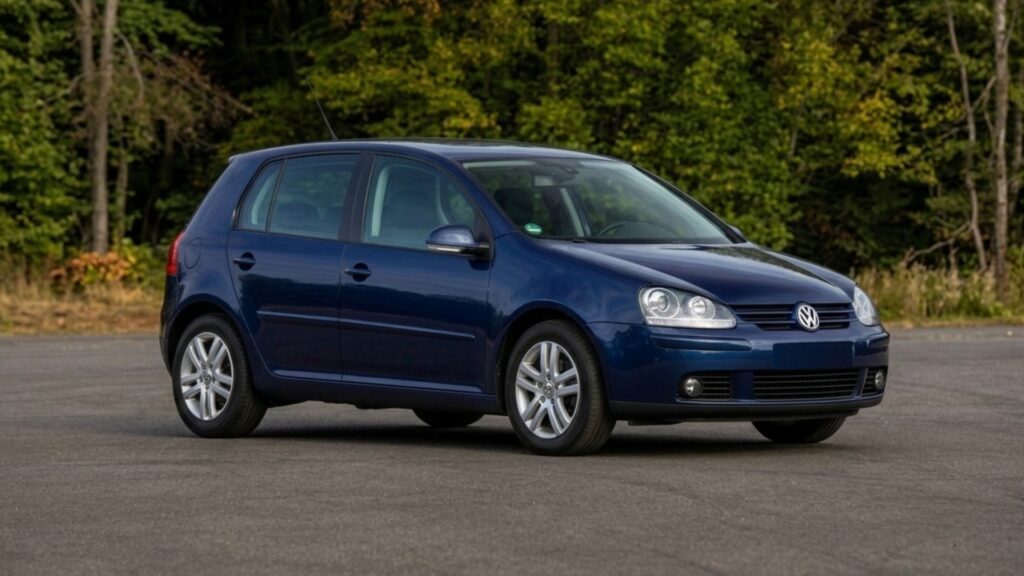
Are Golf 5 diesel engines more reliable than petrol?
Diesel variants of the Golf 5 are often praised for longevity and fuel economy, but they have their own maintenance needs (EGR valves, DPF regeneration, turbo servicing). Petrol engines usually offer simpler maintenance but may require attention to timing chains or chain-guides on some TSI engines.
Comparative points:
| Aspect | Diesel | Petrol |
|---|---|---|
| Longevity | High with proper servicing | High if timing chain maintained |
| Common costly repairs | DPF, EGR, injection | Cam chain, ignition coils |
| Fuel economy | Typically better | Typically lower |
If you’re comparing replacement costs, imported Japanese/German engines and rebuilt engines are widely available; ask for compression-tested engines and warranty-backed units to minimise risk.
What are the typical gearbox issues and solutions?
Golf 5 gearboxes range from durable manuals to DSG/DSG-type automatic transmissions. Manuals typically fail due to clutch wear or a worn synchro; DSG units may face mechatronic faults, solenoid wear, or fluid-related issues, particularly if service intervals were ignored.
Solutions and options:
- Manual: Replace clutch, flywheel or worn synchros; second-hand gearboxes are a cost-effective option when compression-testing is not relevant (but inspect for smooth shifting).
- DSG/automatic: Consider rebuilt units or specialist repair — some suppliers offer remanufactured mechatronics or warranty-backed units.
- Core exchange programs can reduce cost if you have a serviceable core to return.
Use reputable workshop trade supply lines and ask for VIN/ECU compatibility checks before fitting a replacement transmission to prevent electronic mismatch.
How much does it cost to replace an engine in a Golf 5?
Costs vary by engine type, availability, whether you choose a used engine, rebuilt engine, or imported Japanese/German engine. In South Africa, choosing a compression-tested, warranty-backed second-hand engine often proves the most cost-effective, while full rebuilds or new engines carry higher price tags but may offer longer warranty periods.
Cost factors:
- Engine source: local second-hand vs imported
- Condition: compression-tested, leak-down report, visible oil leaks
- Additional parts needed: wiring harness, ECU, mounts, catalytic converters
- Labour and fitment partner rates
Ask suppliers for payment & tax invoices (useful for claims), VIN fitment support, and Email/video cold-start proofs to verify condition before purchase. For parts browsing, check the online shop and VW engine category for current stock and pricing.
Where can I source reliable replacement engines and gearboxes in South Africa?
Look for suppliers offering compression-tested engines, leak-down reports, warranty-backed units, and clear return & warranty terms. Many sellers provide VIN/ECU compatibility checks and can arrange same-day collection in Pretoria or door-to-door delivery across South Africa. Core exchange programs are common for cost reduction.
Local sources and tools:
- Nationwide parts delivery and workshop trade supply networks
- Stripped spares and OEM & aftermarket parts for ancillary components
- Fitment partner referrals and cost-effective replacements vs rebuilds
Browse available categories and stock at the supplier’s shop and VW engine listings for specific codes and fitments before committing to purchase (Shop, VW second-hand engines, LRD Pretoria).
How do VIN/ECU compatibility and fitment checks work?
VIN/ECU compatibility checks ensure that an imported or replacement engine and its ECU match the vehicle’s immobiliser and coding. This is vital with modern cars where the ECU and immobiliser communicate; swapping components without checks can lead to no-start conditions.
Typical process:
- Provide the VIN and ECU number to the supplier.
- Supplier checks fitment databases and ECU coding requirements.
- If necessary, they arrange ECU re-flashing or matching via a specialised workshop.
Always ask for documented VIN fitment support and confirmation that the unit will be compatible or can be coded — this avoids costly delays and ensures a smoother installation.
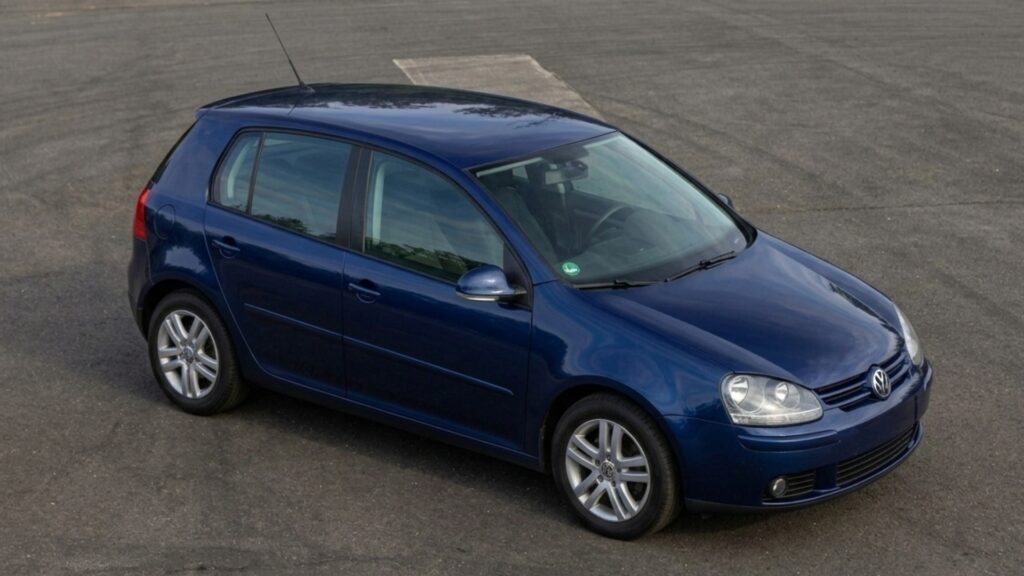
What warranty and testing should I insist on when buying a used engine?
Insist on compression-tested engines and leak-down reports as baseline tests — these quantify internal engine health. Warranty-backed units are preferable, with clear return & warranty terms documented on an invoice. Core exchange programs usually require the return of your old engine in specified condition to qualify for lower pricing.
Checklist for safe purchase:
- Compression and leak-down test reports
- Cold-start video proof (Email/video)
- Clear warranty period and documented terms
- Payment & tax invoice for claims and proof of purchase
According to LRD Pretoria’s stated policies, units that come with compression-tested certificates and documented leak-down reports qualify for their standard warranty and core exchange options — a valuable safeguard for buyers.
How can routine maintenance extend a Golf 5’s life?
A proactive maintenance schedule is the most cost-effective way to ensure Golf 5 reliability. Regular oil changes, scheduled timing component replacements, coolant and brake fluid refreshes, and early attention to warning lights prevent minor issues from becoming expensive repairs.
Recommended maintenance points:
- Oil & filter every 10,000–15,000 km (or per manufacturer guidance)
- Inspect timing chain/guides and replace if noisy or slack
- Service the cooling and fuel systems
- Regular brake and suspension checks
According to customer service reports from South African workshops, cars brought in consistently on-schedule for servicing have far fewer catastrophic engine or DSG failures than neglected examples.
Where can I get specialist help locally in Pretoria and across South Africa?
Pretoria is a hub for engine and gearbox supply, with same-day collection options, fitment partner referrals, and nationwide delivery. When choosing a workshop or supplier, evaluate their experience with Volkswagen models, ability to provide VIN/ECU compatibility checks, and whether they supply compression-tested, warranty-backed units. Browse technical categories and blog resources for case studies and stock:
- Industry blogs and guides — practical repair and sourcing advice
- Workshop trade supply categories — example of structured engine cataloguing
For fleet or workshop bulk orders, contact suppliers offering door-to-door delivery across South Africa and clear warranty paperwork, which simplifies claims and accounting for commercial clients.
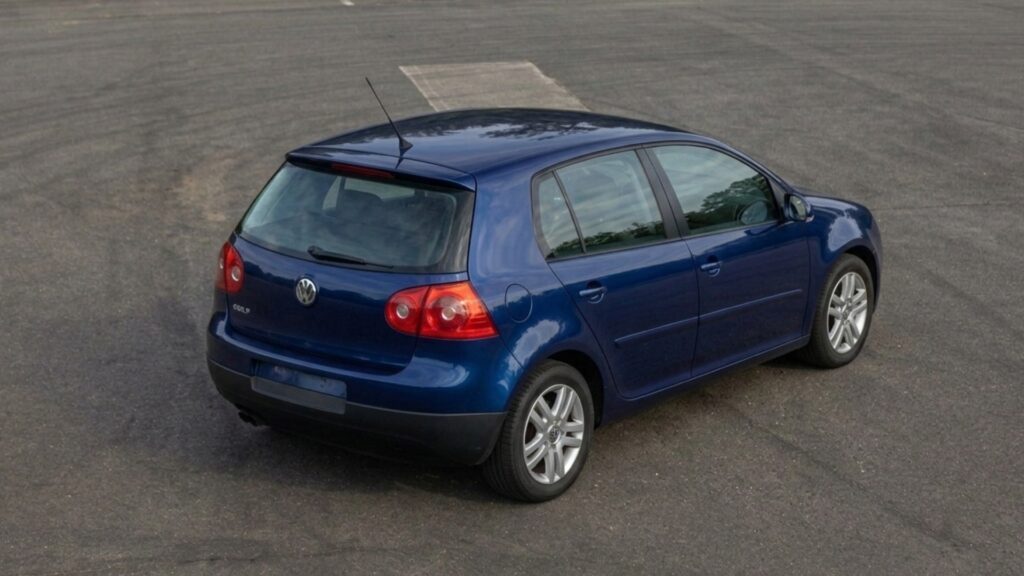
Summary: Is the Golf 5 the right long-term choice?
The Golf 5 can be a reliable, long-lived hatchback choice in South Africa if you select a well-maintained example or source a properly tested replacement engine/gearbox. Use compression-tested engines, leak-down reports, and warranty-backed units to reduce risk. For repairs and replacements, weigh up rebuilt engines, imported Japanese/German engines, and local second-hand options — and always verify VIN/ECU compatibility and clear return & warranty terms before purchase.
Final practical steps:
- Request proof (compression tests, leak-down, Email/video cold-starts).
- Get a written warranty and a payment/tax invoice for claims.
- Use suppliers that offer VIN fitment support, core exchange programs, and nationwide delivery to simplify logistics.
According to LRD Pretoria’s testing programs and customer records, informed buyers who insist on tested and warrantied units typically experience fewer post-fitment problems and better long-term ownership satisfaction.