
Golf 6 GTI: Known Weak Points, Engine Problems, and Buying Checks in South Africa

Golf 6 GTI buyers in South Africa need to know the model’s known weak points, typical engine problems and which pre-purchase checks will save time and money when sourcing rebuilt, imported or second-hand engines and gearboxes.
What are the most common Golf 6 GTI engine problems?
The Golf 6 GTI typically uses Volkswagen’s EA888 2.0 TSI family of petrol engines, and common faults are well-documented by workshops and owner forums. Typical issues include: coil-pack failures, high-pressure fuel pump and injector problems in direct-injection engines, carbon build-up on the intake valves (on direct-injection units), turbocharger wear, and occasional oil consumption or leaks from cam cover gaskets and PCV systems. These faults mean buyers should prioritise mechanical checks, compression-tested engines and leak-down reports before purchase.
- Coil pack and ignition faults — intermittent misfires and check-engine lights.
- Carbon build-up on intake valves — rough idle, loss of low-end torque.
- Turbocharger wear/leaks — loss of boost, oil in the intake plumbing.
- High-pressure fuel system issues — poor running or stalling under load.
According to owner surveys and service bulletins, EA888 derivatives used in Mk6 GTI cars have a higher incidence of ignition coil and injector faults than simple naturally aspirated engines, especially if service history is incomplete.
How should you inspect a used Golf 6 GTI before buying in South Africa?
A thorough pre-purchase inspection will combine a visual check, mechanical tests and electronic diagnostics. In South Africa, demand for performance hatchbacks keeps many parts and second-hand engines available, but scams and mismatched VIN/ECU combinations still occur. Always ask for a cold-start video (Email/video cold-start proofs), service history, and compression-tested engine or leak-down reports when available.
- Visual: oil leaks, turbo pipes, intercooler and coolant hoses.
- Mechanical: compression test, leak-down report, oil condition and coolant colour.
- Diagnostic: OBD-II scan for historic and current faults; inspect adaptations for the turbo and fuel system.
- Test drive: listen for turbo lag, transmission behaviour (DSG clunks), and check boost pressure if possible.
Also verify VIN/ECU compatibility and request payment & tax invoices for claims. If you need online parts or engines, check reputable suppliers who provide VIN fitment support and nationwide parts delivery.

Which engines and gearboxes are fitted to the Golf 6 GTI, and which should buyers avoid?
The Golf 6 GTI mainly came with the 2.0 TSI (EA888) petrol engine paired to either a manual gearbox or DSG (dual-clutch) automatic. When sourcing parts or replacement units, you’ll see a mix of OEM, rebuilt engines, imported Japanese/German engines and second-hand gearboxes. Buyers should prioritise verified compression-tested engines and warranty-backed units, and be cautious of untested imports without reports.
| Component | Common Issues | Buyer Tip |
|---|---|---|
| EA888 2.0 TSI | Coil/injector, carbon build-up, turbo wear | Demand leak-down/compression report |
| DSG (DQ250/DQ200 variants) | Mechatronic faults, clutch pack wear | Consider warranty-backed rebuilt units or second-hand gearboxes with service history |
| Manual transmissions | Synchro wear on high-mileage cars | Assess shift quality during test drive |
If you’re replacing an engine or gearbox, core exchange programs and VIN/ECU compatibility checks reduce risk. In many South African workshops, fitment partner referrals and same-day collection in Pretoria are available for verified units.
How can you detect turbocharger problems on a Golf 6 GTI?
Turbo failures usually show as loss of boost, oil in the intake/intercooler piping, unusual noises (whine/whistle or grinding), or excessive smoke under acceleration. Diagnosis should start with a visual inspection of boost hoses, intercooler, and turbo oil feed/return lines, followed by a boost pressure test. If the turbocharger shaft has play or oil leaks into the intake tract, replacement or a rebuilt turbo is required.
- Listen for change in turbo noise during cold start and under revs.
- Inspect intercooler and piping for oil residue — indicates turbo seal wear.
- Run a boost pressure test and examine fault codes for overboost/underboost.
Rebuilt turbochargers and imported units can be cost-effective, but always demand warranty-backed units and a return & warranty terms document to protect your purchase.
What DSG problems affect the Golf 6 GTI and what are repair options?
The DSG is a complex dual-clutch automatic that offers quick shifts but can develop mechatronic issues, clutch pack wear and valve body faults. Symptoms include jerky gear changes, hesitations, and transmission warning lights. Repair options range from a DSG service (mechatronic clean and filter/fluids change) to replacing the mechatronic unit or fitting a second-hand gearbox.
Cost-effective strategies include sourcing second-hand gearboxes with documented hydraulic/servicing history or rebuilt units that are compression-tested and come with warranty-backed guarantees. For buyers in South Africa, ask suppliers for same-day collection in Pretoria or door-to-door delivery, and ensure fitment partner referrals if you need installation.
How do compression and leak-down reports help when buying a replacement engine?
Compression-tested engines and leak-down reports quantify cylinder health and identify valve, piston ring or head gasket faults. A compression test shows whether cylinders hold pressure within the manufacturer’s tolerances; a leak-down test pinpoints where pressure escapes (valves, rings, head gasket). When buying a used or rebuilt engine, insist on these reports and, where possible, a cold-start video to verify running condition.
- Compression test: check for consistency across all cylinders; variations >15% are a red flag.
- Leak-down: identifies the leak path (intake/exhaust, piston ring blow-by, or coolant passages).
- Documentation: matching these reports to a VIN/engine number reduces risk of mismatched fitment.
Many suppliers in the rebuild industry offer warranty-backed units and will provide these tests as part of the warranty package. In South Africa, look for suppliers that offer payment & tax invoices for claims and provide clear return & warranty terms.
Replacement vs rebuild: which is more cost-effective for a Golf 6 GTI?
Choosing between a replacement engine (second-hand, imported or rebuilt) and a full rebuild depends on budget, turnaround time and long-term plans. A high-quality rebuilt engine or an imported German unit may cost more upfront but reduces the risk of hidden wear. A second-hand engine is cheaper but needs compression-tested documentation and warranty-backed assurances. Consider core exchange programs where suppliers accept your old unit for credit.
- Rebuilt engines: higher cost, better reliability, often warranty-backed.
- Second-hand/imported engines: lower cost, variable history—demand leak-down/compression tests.
- Local rebuild vs imported unit: factor in fitment partner referrals, shipping time and VIN/ECU compatibility checks.
According to a South African used-car market report, demand for petrol performance hatchbacks like the Golf GTI remains strong, which supports a healthy market for second-hand engines and parts within the country.
Where in South Africa can you source engines, gearboxes and parts for a Golf 6 GTI?
South Africa has a range of suppliers offering used engines, rebuilt engines, imported Japanese/German engines, and second-hand gearboxes. Choose suppliers that list VIN fitment support, compression-tested engines and clearly documented warranty-backed units. For local convenience, some companies offer same-day collection in Pretoria and door-to-door delivery across South Africa; others provide fitment partner referrals and nationwide parts delivery.
- Online parts stores and specialist VW sellers — check their warranty and testing policies.
- Rebuilt engine suppliers and core exchange programs — often include leak-down reports and warranties.
- Local workshops with fitment referrals — advisable if you need installation and post-fitment service.
For sourcing, browse verified categories and product pages such as VW second-hand engines and shop inventories. Example internal resources: our company homepage or dedicated VW engine categories offer parts, testing documentation and fee structures for replacements: Home, Shop, VW 2nd-hand engines, Gearboxes & transmissions, and our informative editorial content Blog.

How do you check VIN/ECU compatibility and fitment on a Golf 6 GTI?
VIN and ECU compatibility is crucial, especially when fitting second-hand or imported engines/ECUs. Mismatched ECUs can cause immobiliser, emission or performance issues. Ask for VIN fitment support from your supplier and confirm ECU coding, immobiliser pairing and any required adaptations. Many South African suppliers offer VIN/ECU compatibility checks and will reprogram or provide wiring harnesses as needed.
- Request VIN/engine number matching documents and ask if the supplier handles ECU coding.
- Ensure immobiliser and key coding is possible locally — some suppliers include fitment partner referrals.
- Verify that replacement engines are compression-tested and include leak-down reports.
According to Wikipedia, the Volkswagen Golf has been one of the world’s best-selling cars for decades, so there’s an established aftermarket and parts supply chain — but ECU compatibility still requires careful checks before purchase: https://en.wikipedia.org/wiki/Volkswagen_Golf
What non-engine weak points should buyers watch for on a Golf 6 GTI?
Beyond the engine and transmission, the Golf 6 GTI can exhibit wear in suspension components, electrical gremlins, and interior trim issues. Watch for control arm bush wear, deteriorated shock absorbers, window regulator failures, and water ingress in sunroof drains. Electrical problems often show as intermittent warning lights or central locking faults. When evaluating a car, photograph problem areas and ask for clear service invoices documenting any past repairs.
- Suspension: noise over bumps, uneven tyre wear.
- Electrical: intermittent warnings, non-working windows or central locking.
- Interior & body: worn seats, water stains from sunroof drains.
These issues affect running costs and resale value, so factor required repairs into any purchase negotiation.
What warranty, returns and testing documentation should you demand?
When buying used engines, rebuilt units or second-hand gearboxes, insist on documented return & warranty terms, a clear payment & tax invoice for claims, and proof of compression-tested engines or leak-down reports. Reputable suppliers will provide warranty-backed units, core exchange programs, and sometimes Email/video cold-start proofs so you can verify running condition before collection or delivery. Make sure the warranty document lists the exact scope (labour, parts, time/mileage) and whether the unit includes VIN/ECU compatibility checks.
- Compression-tested engines: get full test reports.
- Leak-down reports: useful for pinpointing internal leaks.
- Warranty-backed units: read the exclusions, and request a written return policy.
According to service statistics and independent workshop data, requiring these tests and documentation dramatically reduces the chance of buying a faulty unit and strengthens any future warranty claim.
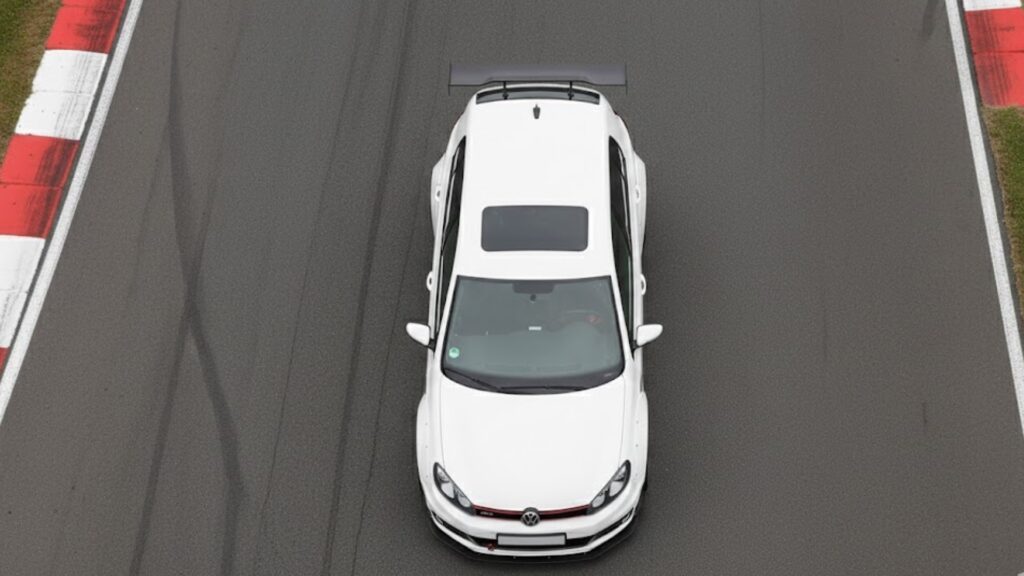
Final checklist: quick buyer’s guide for a Golf 6 GTI in South Africa
Before signing on the dotted line, run through this checklist: verify service history, request compression-tested/leak-down reports, demand VIN/ECU compatibility checks, watch a cold-start video, inspect turbo and DSG behaviour during a test drive, and secure written warranty and return terms. If you’re sourcing replacement components, work with suppliers who offer warranty-backed rebuilt engines, second-hand gearboxes with documented service, and nationwide parts delivery or same-day collection in Pretoria.
- Ask for cold-start video and recent service invoices.
- Demand compression and leak-down test reports for engines.
- Verify VIN/ECU compatibility and immobiliser coding requirements.
- Confirm warranty, returns, and whether the unit is core-exchange eligible.
- Choose suppliers that provide payment & tax invoices for claims and clear fitment partner referrals.
With the right checks and a supplier that provides tested, warranty-backed units and clear documentation, buying a Golf 6 GTI or sourcing a replacement engine or gearbox in South Africa can be a confident, cost-effective process.