
Hyundai 1.6 Engine Overheating or Knocking? Symptoms That Mean Stop Driving

hyundai 1.6 owners who hear a new knock from the engine or see a rising temperature gauge need clear, practical steps — fast. This guide explains the warning signs that mean you should stop driving immediately, how to diagnose the problem, and realistic repair or replacement choices available across South Africa.
Why a Hyundai 1.6 can overheat or knock: common causes
What causes a Hyundai 1.6 to overheat or make knocking noises? Common root causes include cooling-system failures (blocked radiator, failed thermostat, leaking head gasket), poor fuel quality or incorrect ignition timing causing detonation (knock), and mechanical wear such as piston/cylinder scoring or worn rod bearings. In many cases, symptoms overlap: an overheating head can warp a head gasket and lead to combustion leaks that increase knock risk.According to Hyundai service literature, proper coolant maintenance and using the correct octane fuel are primary preventive steps. Also, pre-ignition and detonation are distinct combustion problems that commonly show up as knocking sounds and accelerated component wear (see Wikipedia for the combustion physics). Knowing the likely root causes helps you decide whether to stop immediately and tow or to continue slowly to a workshop.

What are the earliest symptoms to watch for?
Early detection can prevent a catastrophic failure. Typical early symptoms of a failing Hyundai 1.6 include:- Small, intermittent ticking or light knocking under load (acceleration).
- Rising engine temperature when idling or in traffic.
- Coolant loss without visible external leaks (possible head gasket).
- White smoke from the exhaust (coolant burning) or blue smoke (oil burning).
Is it safe to keep driving with engine knocking or overheating?
Short answer: no — if the knocking is persistent or the engine is overheating. Both can cause rapid, expensive damage. Knocking indicates abnormal combustion or bearing distress; ignoring it can ruin pistons, rods, or the crank. Overheating risks warping the head, cracking the block, or seizing the engine.If you see the temperature needle climbing into the red or hear continuous knocking, stop driving immediately, switch off the engine, and call for a tow. If the knock is very mild and temperature is normal, you can drive slowly to a trusted workshop, but keep monitoring both temperature and oil pressure closely.
Diagnosing the problem: tests and checks for a Hyundai 1.6
Systematic diagnostics separate cooling issues from combustion or mechanical failure. Recommended sequence:- Visual inspection: coolant level, obvious leaks, radiator/hoses condition.
- Check oil: colour, smell, and level (milky oil suggests coolant contamination).
- Compression test and leak-down test to assess head gasket or valve issues.
- Fuel quality/ignition timing check — use a knock sensor readout if available.
- Scan for engine fault codes and compare to VIN/ECU compatibility checks if sourcing replacement parts.
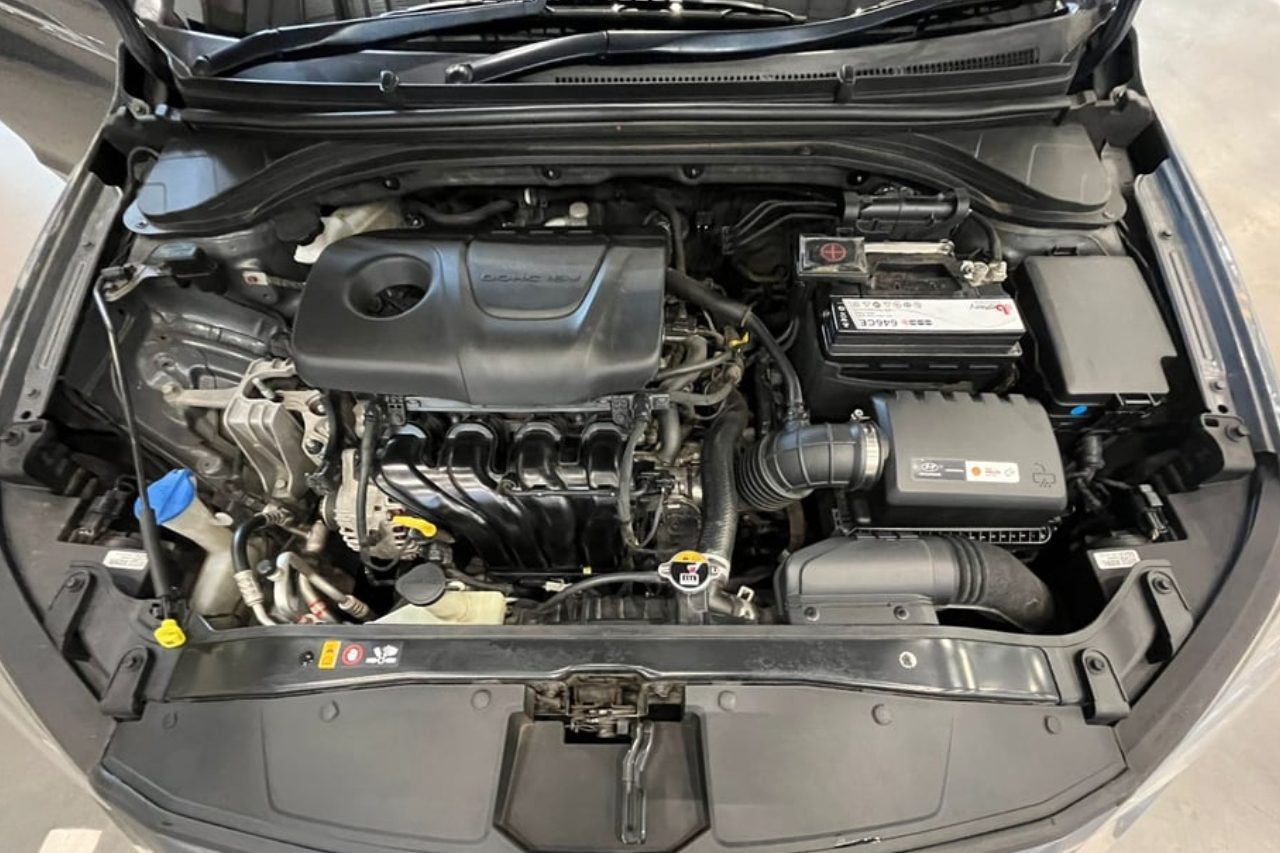
Which Hyundai 1.6 parts commonly fail and produce these symptoms?
Hyundai 1.6 components that most commonly cause overheating or knock include:| Component | Failure Mode | Symptoms |
|---|---|---|
| Head gasket | Blow or leak | Overheating, white exhaust smoke, milky oil |
| Thermostat / radiator | Stuck/blocked | Rising temperature, poor heater performance |
| Water pump | Seized / leaking | Overheating, coolant loss |
| Rod bearings / pistons | Wear/scoring | Loud knock under load, metal in oil |
| Ignition/fuel system | Bad timing / low octane | Detonation, pinging |
Petrol vs diesel Hyundai 1.6: different signs and causes
Petrol 1.6 engines typically knock due to detonation (fuel or ignition issues) or rod bearing wear. Diesel 1.6 (less common) shows different behaviours: diesel knock is generally a louder, metallic clatter from injector timing or collapsed bearings. Overheating in diesel engines often correlates with turbocharger issues or clogged intercoolers in forced-induction variants.For petrol variants, poor fuel quality or incorrect spark timing is frequently the culprit; for diesel, injector faults, EGR blockages and turbo problems are more common. In South Africa, fuel octane variations make the petrol 1.6 more sensitive to pre-ignition — maintain correct octane and monitor engine maps if ECU upgrades or swaps have been done.
Repair, rebuild, or replace? Cost-effective choices in South Africa
Deciding whether to repair, rebuild, or replace a Hyundai 1.6 depends on damage severity, vehicle value, and downtime tolerance. Typical options:- Minor: Replace thermostat/radiator or head gasket. Cost-effective when block & head are sound.
- Rebuild: When internal damage (pistons, bearings) exists but block/head are salvageable.
- Replace with a used or rebuilt engine: Faster turnaround, often cost-effective with warranty-backed units.
How to find the right replacement: VIN fitment, OEM vs aftermarket, and imports
When sourcing a replacement for a Hyundai 1.6, ensure exact fitment. Key checks:- VIN/ECU compatibility checks — mismatched ECU or immobiliser can leave the car immobile.
- Engine code and mount points — some 1.6 variants differ by market and year.
- Choose between rebuilt engines, imported Japanese/German engines, or local used units depending on budget and lead time.
Internal links for reference: Hyundai 2nd-hand engines, Shop, Ford engines category, Nissan engines.

Warranties, testing and paperwork to ask for before buying
Never buy a used or rebuilt engine without proper documentation. Ask for:- Compression-tested engines and leak-down reports (printed or digital).
- Warranty-backed units with clearly documented return & warranty terms.
- Core exchange program details if applicable and payment & tax invoices for claims.
- Cold-start video proof (Email/video) to show how the engine behaves under start and idle.
Where to get help in Pretoria and door-to-door across South Africa
If you need immediate help, look for suppliers who offer same-day collection in Pretoria or door-to-door delivery nationwide. Many engines and transmissions are supplied with nationwide parts delivery and workshop trade supply channels, so you can get the right unit quickly and with support for fitment.Local workshops often partner with used-engine suppliers to speed up installation and to ensure VIN/ECU compatibility. For fleets, ask about bulk order discounts and dedicated fitment partner referrals to reduce downtime. When time matters, choose providers who supply clear test reports and warranty-backed units.
Preventive maintenance to avoid overheating and knock in Hyundai 1.6
Proactive care prevents many common failures. Key maintenance items:- Regular coolant flushes and thermostat checks.
- Use the correct octane fuel and replace spark plugs at recommended intervals.
- Change engine oil and filter on schedule to protect bearings.
- Inspect radiator, hoses, and water pump annually or at the first sign of trouble.
When to call a tow and what to tell the workshop
Call a tow immediately if the temperature gauge is pegged, if you smell coolant in the cabin, or if knocking is loud and persistent. When contacting a tow or workshop, provide:- Vehicle make, model, year and VIN;
- Symptom summary (knock, overheating, smoke colour);
- Any recent repairs, fuel use, or ECU changes;
- Whether you have a warranty-backed replacement engine or test reports to hand.
Final checklist: quick actions when you suspect failure
Use this checklist to reduce damage risk and speed up recovery:- Safely pull over and switch off the engine if overheating or heavy knock occurs.
- Check coolant and oil level (don’t open a hot radiator cap).
- Record symptoms (video/audio) and note recent maintenance history.
- Contact a tow and a trusted workshop or supplier for VIN/ECU checks and replacement options.
- Ask for compression/leak-down reports and warranty-backed units if replacing the engine.