
Hyundai Elantra J2 Buyer’s Guide: What to Look for in 2025
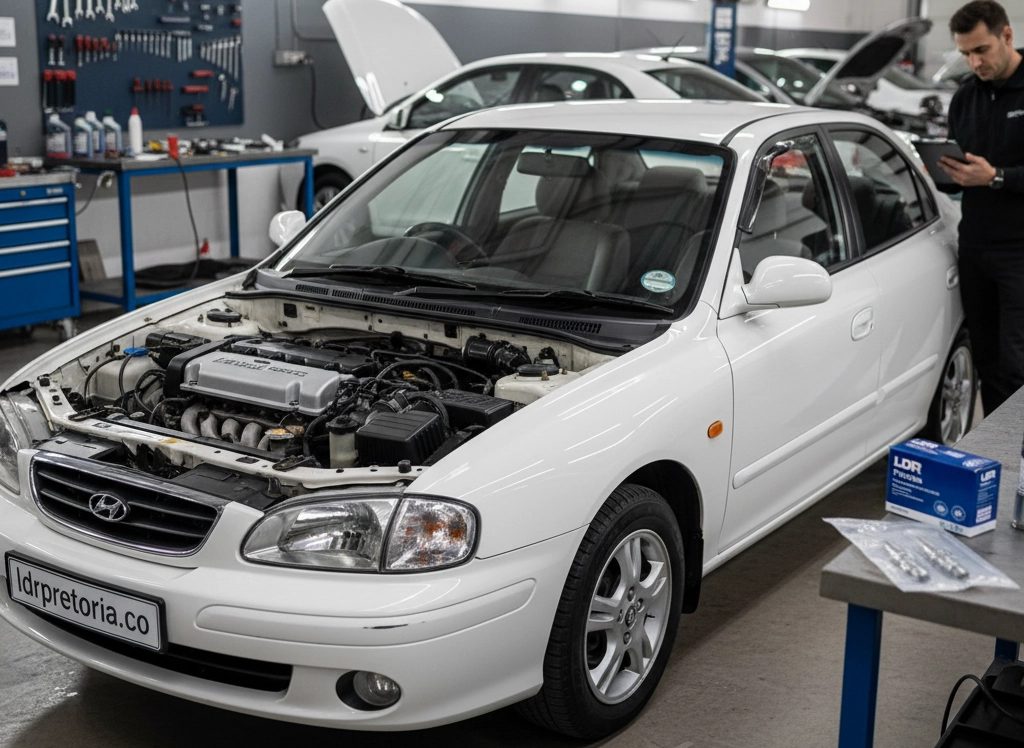
If you’re considering a hyundai elantra j2 in 2025, you’re tapping into one of the most underrated and budget-friendly sedans of the late 90s. Here's what every buyer should know.
Is the Hyundai Elantra J2 Still a Good Buy in 2025?
Yes—if you find the right one. The hyundai elantra j2, produced from 1995 to 2000, represents a solid compact sedan with simple mechanics, cheap maintenance, and decent fuel economy. In 2025, it appeals to first-time buyers, restoration enthusiasts, and budget-conscious daily drivers. While newer cars have more features, the J2’s value lies in its low running costs, mechanical simplicity, and the fact that many well-maintained units are still available at attractive prices.
Which Engine Options Were Available and Which Is Best?
The hyundai elantra j2 was offered with a few engine variants, including 1.5L, 1.6L, and 1.8L DOHC petrol engines. The 1.8L is widely regarded as the most desirable due to its better performance and reliability. Here's a quick breakdown:
| Engine | Power Output | Notes |
|---|---|---|
| 1.5L SOHC | ~66 kW | Basic, fuel-efficient, underpowered |
| 1.6L DOHC | ~84 kW | Better torque, more common |
| 1.8L DOHC | ~95 kW | Stronger performance, ideal for tuning |
These engines are known for their durability, and many units are still running well over 300,000 km. If you're hunting for a replacement or swap engine, Hyundai used engines are readily available and affordable through local suppliers.
What Common Mechanical Issues Should You Watch For?
While the hyundai elantra j2 is generally reliable, there are a few recurring issues that buyers should inspect before committing:
- Rust on wheel arches and undercarriage
- Oil leaks around valve cover gaskets
- Timing belt wear (needs replacing every 90,000–100,000 km)
- Suspension bushings and mounts fatigue
- Clutch wear in manual models
A thorough mechanical inspection, especially of the engine bay and undercarriage, is crucial. Check service history and ask if major maintenance like the timing belt has been completed.
How Is the Driving Experience Compared to Modern Compacts?
While the hyundai elantra j2 lacks the refinement of today’s compact sedans, it still offers a comfortable and honest driving experience. The steering is light, the ride quality is decent for its age, and the 1.8L engine provides respectable performance for city and highway driving. There’s minimal driver assistance tech, no infotainment systems, and limited noise insulation—but for purists and daily drivers, its analog simplicity is part of the charm.
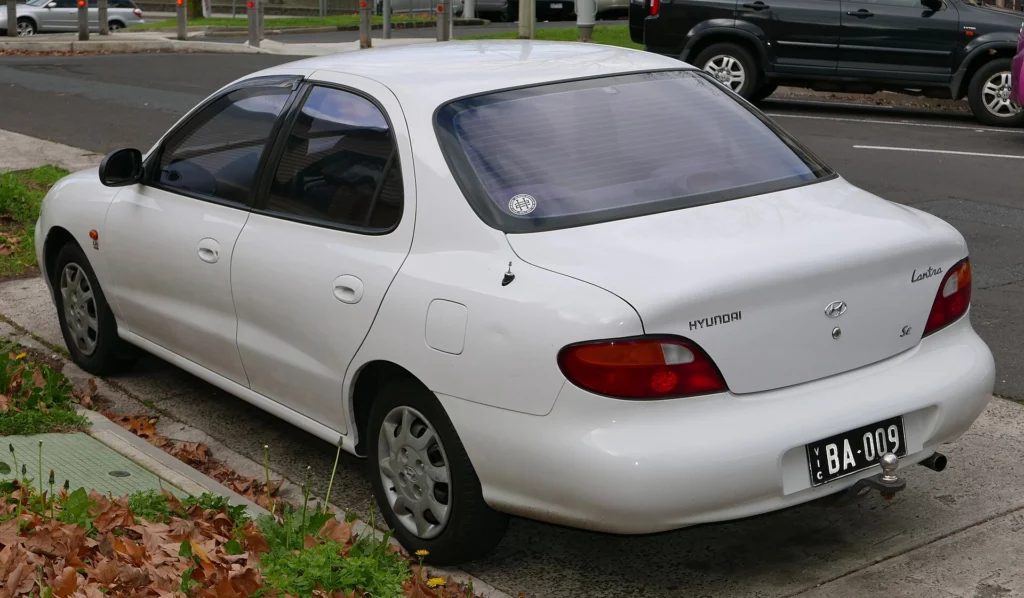
What Should You Look for in Terms of Body and Interior Condition?
The body is prone to corrosion, especially in regions with harsh climates. Check areas around the wheel wells, under the doors, and the trunk floor for signs of rust. The interiors are typically hard plastic and fabric, and while durable, they may show wear on seats and dashes. Make sure the heater, A/C, and gauges work, as replacement parts can be harder to find than mechanical components. For other interior restoration bits or full part-outs, local salvage specialists or platforms like LRD Pretoria/shop are great starting points.
Are Spare Parts Still Available for the Hyundai Elantra J2?
Surprisingly, yes. Thanks to its mechanical simplicity and shared components with other Hyundai models, sourcing parts is not as difficult as it might seem. Common parts like alternators, brake pads, timing kits, and sensors are still being produced by aftermarket manufacturers. Engine swaps or replacements are also supported, especially if you’re considering engines found in Ford-compatible categories or related models from the late 90s to early 2000s.
How Does the Elantra J2 Compare to Rivals from Its Era?
The hyundai elantra j2 went head-to-head with cars like the Toyota Corolla AE101, Opel Astra F, and Honda Civic EK. In terms of resale value and aftermarket tuning, it lagged behind the Japanese brands, but it often came better equipped at a lower price point. Here's a quick side-by-side:
| Model | Pros | Cons |
|---|---|---|
| Elantra J2 | Affordable, reliable, simple | Less aftermarket support |
| AE101 Corolla | Ultra-reliable, strong resale | Expensive spares |
| Civic EK | Tuner favorite, performance options | Theft risk, higher insurance |
| Astra F | Spacious, decent performance | Electrical issues |
In 2025, the J2 stands out as a value pick for people who want low-cost, no-frills transport with just a hint of 90s nostalgia.
What Are the Best Use Cases for a Hyundai Elantra J2 Today?
The hyundai elantra j2 makes an ideal choice for several types of buyers:
- Students: Affordable, easy to maintain
- First-time drivers: Simple mechanics, light clutch
- Commuters: Excellent fuel economy
- DIY builders: Low entry cost, parts accessibility
- Retro fans: A slice of 90s Korean automotive charm
Whether you're looking for a fuel-efficient daily or a budget project car, the J2 has a solid case in 2025.
Is It a Good Candidate for Engine Swaps or Modding?
The Elantra J2 has limited aftermarket support compared to Japanese rivals, but it is still modifiable. The 1.8L DOHC motor accepts mild tuning (headers, intakes, ECU remaps), and some DIYers have even experimented with turbo kits. For swaps, some have successfully integrated engines from Kia or Mitsubishi platforms. If you're interested in swaps or sourcing suitable engines, you might explore options like BMW second-hand engines to see what creative builds are trending.
Where Can You Learn More or Join the Community?
The hyundai elantra j2 might not have the largest community, but forums like Hyundai-Forums.com and various Facebook groups remain active. They offer restoration advice, wiring diagrams, and tuning tips. For local South African resources, you can check out updates and tips on LRD Pretoria/category/blogs, which often highlight niche platforms and maintenance ideas.