
Polo TDI: Common Problems, Injector and Turbo Checks, and Buying Guide for SA
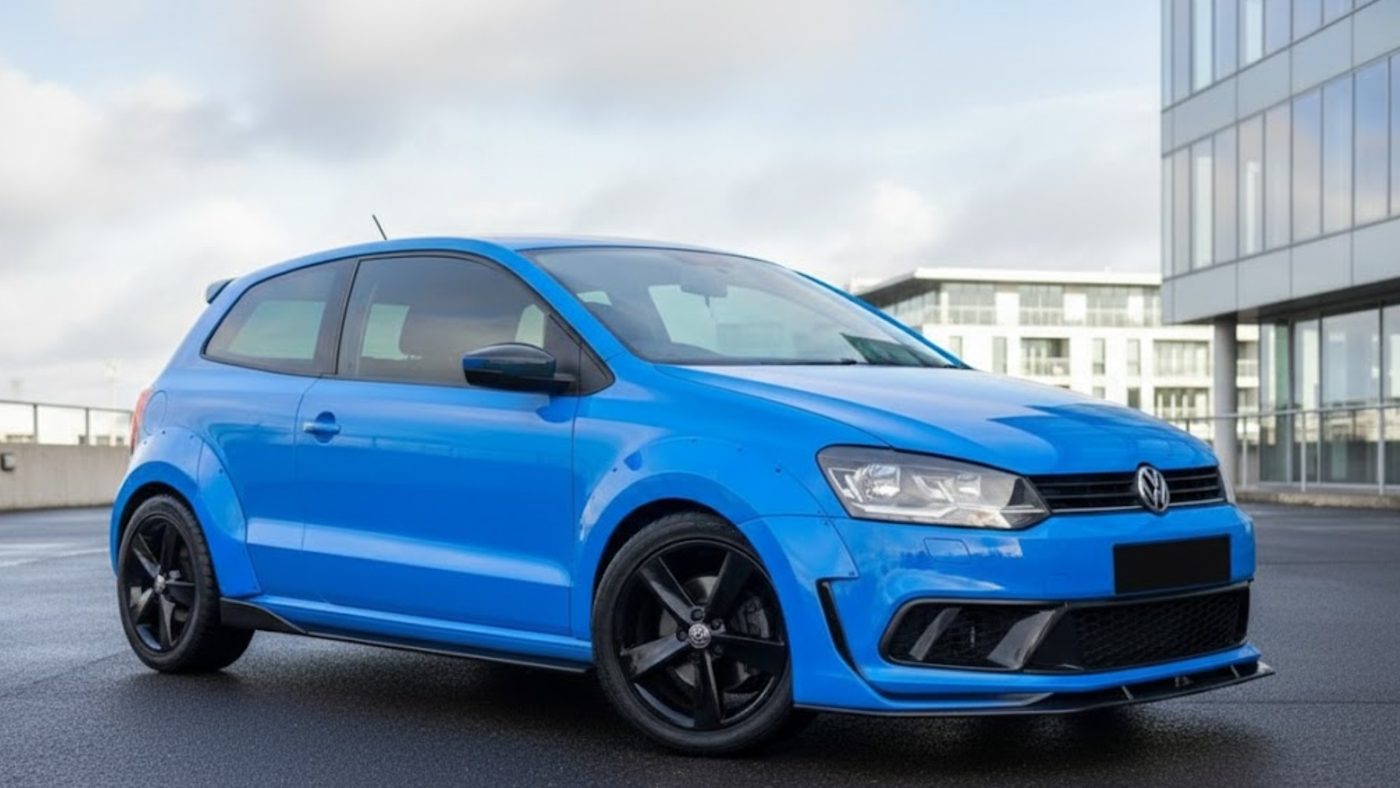
polo tdi owners in South Africa often ask about injectors, turbo issues, and whether to replace or rebuild an engine — this guide walks through the most common faults, practical checks you can do, and how to buy a reliable replacement engine or gearbox with confidence.
polo tdi: Common problems and symptoms
The Polo TDI can deliver excellent economy and torque, but diesel-specific systems bring particular failure modes. Typical symptoms South African owners report include hard starting or misfires, white/blue smoke, turbo lag or whining, and a rough idle. Diesel injector wear, turbocharger leaks, and EGR/DPF issues are recurring themes, especially on higher-mileage units.
Common failure drivers include poor fuel quality, inconsistent servicing, and long-term heat cycles. In our workshop and used-engines inventory we see patterns: injectors and turbochargers account for a large share of customer faults, while engine wear often shows up as low compression or oil contamination.
- Injector-related: rough idle, misfire codes, poor acceleration.
- Turbo-related: loss of boost, whining noise, smoke under load.
- Engine internals: low compression, blow-by, leaking head gasket.
According to Wikipedia, the Volkswagen Polo has been produced since 1975 and has seen many diesel variants and engine families — understanding which engine code your car has is the first step in diagnosis.
How do I check injectors on a Polo TDI?
Injector faults are common on Polo TDI models and diagnosing them early avoids catalytic or turbo damage. Start with simple cold-start and idle observations then move to mechanical and electrical tests.
Practical injector checks:
- Cold-start video: record a cold start (Email/video cold-start proof is useful for remote diagnostics).
- OBD scan: read misfire, fuel trim, or injector-specific codes.
- Injector balance/test: a professional flow/return test or on-vehicle balance test will show failing injectors.
- Leak and smell check: diesel smell in oil, external leaks at the injector seals.
For off-vehicle testing we recommend compressor or ultrasonic cleaning followed by flow testing. Many buyers in Pretoria ask for backed-up compression-tested engines and leak-down reports before purchase to ensure injectors and head sealing are sound.
What are the signs of turbo failure and how to check a Polo TDI turbo?
Turbocharger problems on turbo diesel Polo engines usually present as loss of power, excessive smoke, or abnormal noises. Turbos can fail from oil starvation, contaminated oil, or worn bearings.
Checks you can do:
- Visual shaft play test: remove intake hose and inspect turbo shaft for radial and axial play (excessive play suggests bearing wear).
- Boost test: check boost pressure versus factory specs under load; poor boost can indicate leaks or a failing turbo.
- Oil feed/return inspection: sludge, metal particles, or blocked return lines are tell-tale signs of turbo stress.
Professional shops will verify turbo condition with a dyno/road test and may perform a borescope inspection through the intake for compressor wheel condition. Rebuild vs. replace decisions should factor in part availability and costs.
How important are compression and leak-down tests for a Polo TDI?
Compression-tested engines and leak-down reports are critical when buying used or rebuilt Polo TDI engines. These tests quantify cylinder sealing, valve condition, and head gasket integrity.
What each test tells you:
| Test | What it shows | Why it matters |
|---|---|---|
| Compression test | Static compression per cylinder | Low values indicate worn rings, valves, or head gasket issues |
| Leak-down test | Where pressure is escaping (intake, exhaust, crankcase) | Helps pinpoint the cause of compression loss |
We always supply compression-tested engines with documented values in our warranty-backed units; for high-mileage Polo TDI replacements demand a leak-down report to avoid surprises after fitment.
Where should I buy a replacement Polo TDI engine in South Africa?
Choosing where to buy matters: local suppliers with testing, warranty, and fitment support reduce risk. In South Africa you can choose between rebuilt engines, imported Japanese/German engines, or second-hand units — each has pros and cons.
Checklist for buying:
- Ask for compression-tested reports and leak-down certificates.
- Check VIN/ECU compatibility and ask for fitment referrals or partner workshops.
- Prefer sellers offering warranty-backed units, core exchange programs, and documented return terms.
We stock VW second-hand engines and provide VIN/ECU compatibility checks, same-day collection in Pretoria or door-to-door delivery across South Africa. View available stock and pricing at our shop and our VW engine category here.
Rebuilt engine, imported used, or local second-hand — which is best for a Polo TDI?
Deciding between rebuilt engines, imported Japanese/German units, and local second-hand engines depends on budget, turnaround time, and warranty requirements.
Considerations:
- Rebuilt engines: often include replaced wear parts and offer a mid-length warranty — good for peace of mind but pricier.
- Imported engines: can be lower-cost and low-mileage, but factor in shipping, VAT, and potential ECU/VIN fitment challenges.
- Local second-hand: fastest fitment and easiest warranty handling if the supplier offers door-to-door delivery and documented reports.
According to industry practice, many fleet operators prefer rebuilt engines for predictable life, while private buyers often choose low-mileage imports when cost is the main driver. We offer warranty-backed units and core exchange programs to suit both approaches.
How do VIN and ECU compatibility affect a Polo TDI engine swap?
VIN and ECU compatibility are crucial for modern Polo TDI models. Replacing an engine without confirming ECU mapping, immobiliser pairing, or wiring harness fit can lead to non-starting cars or faults.
Key steps before purchase:
- Provide your VIN to the supplier for a fitment check and part-code matching.
- Confirm whether the donor engine needs ECU transfer or coding; some engines require ECU cloning.
- Ask for wiring harness and sensor compatibility confirmation to avoid additional parts costs.
We perform VIN/ECU compatibility checks on request and can refer fitment partners if coding or immobiliser work is required. This saves time and avoids repeat visits to the workshop.
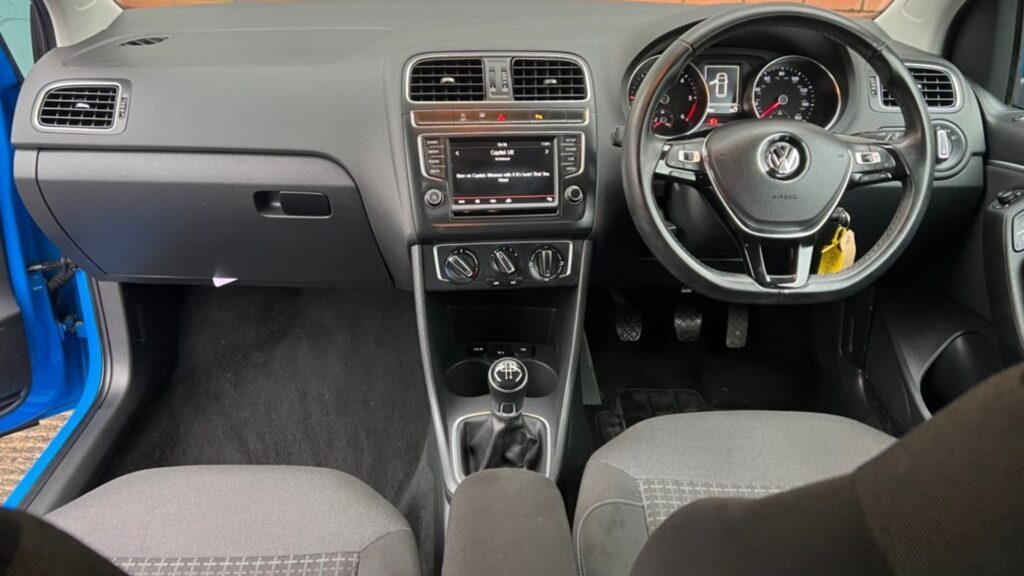
What about gearboxes and drivetrain parts for Polo TDI swaps?
Engine swaps often involve gearbox and drivetrain checks — clutch condition, flywheel compatibility, and transmission ratios matter. Whether your Polo has a manual or DSG/automatic transmission dictates parts and labour.
Common gearbox considerations:
- Manuals: check bellhousing alignment, clutch/flywheel compatibility, and input shaft splines.
- Automatics/DSG: these often require ECU and TCU coding and special handling; research replacement units carefully.
- Second-hand gearboxes should be compression-tested where applicable and inspected for leaks and wear.
We list second-hand gearboxes and drivetrain components and can recommend fitment partners; see our gearboxes category for examples of available units. For cross-reference on available transmission stock, check our gearboxes page (industry examples).
How much will repairs or a replacement engine cost for a Polo TDI?
Costs vary by fault and choice of replacement (rebuild/import/local). Injector replacement, turbo repairs, and head gasket jobs are incremental costs; full engine replacement is typically the largest single expense.
Typical ballpark items (South Africa, 2024):
- Individual injector rebuild/replacement: mid-range cost depending on brand and remanufacture.
- Turbocharger rebuild or exchange: variable, often cheaper to exchange with warranty-backed unit.
- Complete second-hand engine (tested): cost-effective option for older Polos if accompanied by compression report and warranty.
According to Bosch technical data, modern common-rail injectors operate at very high pressures — up to around 2,000 bar in some systems — which affects replacement costs and required test equipment.
How long should a Polo TDI last with proper maintenance?
Properly maintained diesel engines can provide long service life. With regular oil changes, fuel/air filtration, and attention to turbo and injector health, many owners see high-mileage results.
Maintenance tips:
- Use correct spec engine oil and change at recommended intervals.
- Use high-quality fuel filters and replace them regularly to protect injectors.
- Avoid frequent short trips that prevent turbo and oil from reaching operating temperature.
According to automotive engineering sources, diesel engines often produce higher torque and longer service intervals than comparable petrol engines, which is why they remain popular in bakkies and fleet vehicles in South Africa.
When should I bring my Polo TDI to a specialist or request a fitment partner?
Certain faults and procedures require specialist attention: injector flow-testing, turbo rebuilds, cylinder head work, and ECU/VIN coding are best handled by trained technicians with the right equipment.
Signs you need a specialist:
- Failed compression or leak-down test results.
- Persistent misfires after simple fixes.
- ECU immobiliser/coding issues following an engine swap.
We offer referrals to fitment partners and supply documented engine reports, live video start-up proofs, and nationwide delivery. For local enquiries and same-day collection in Pretoria, start at our main site: LRD Pretoria.
Final checklist before buying a Polo TDI replacement or parts
Use this concise checklist to reduce risk and get a successful outcome:
| Item | Action |
|---|---|
| Engine/test reports | Require compression and leak-down reports |
| Injector/turbo checks | Ask for flow tests or exchange unit warranties |
| VIN/ECU | Confirm compatibility and coding needs |
| Warranty & returns | Get documented warranty and core exchange terms |
| Delivery & fitment | Confirm door-to-door delivery across South Africa or same-day collection in Pretoria |
Choosing a supplier that offers transparent reports, warranty-backed units, payment and tax invoices for claims, and fitment referrals reduces risk and ensures you drive away with confidence. For a curated selection of tested engines and parts, visit our VW engine listings and the shop for available units.
If you have a specific fault, engine code, or VIN to check, contact us with Email/video cold-start proofs and we’ll advise the most cost-effective replacement vs rebuild route, referencing popular codes and fitment notes where needed.