
Rotary Engine Explained: How It Works and Why It Fails
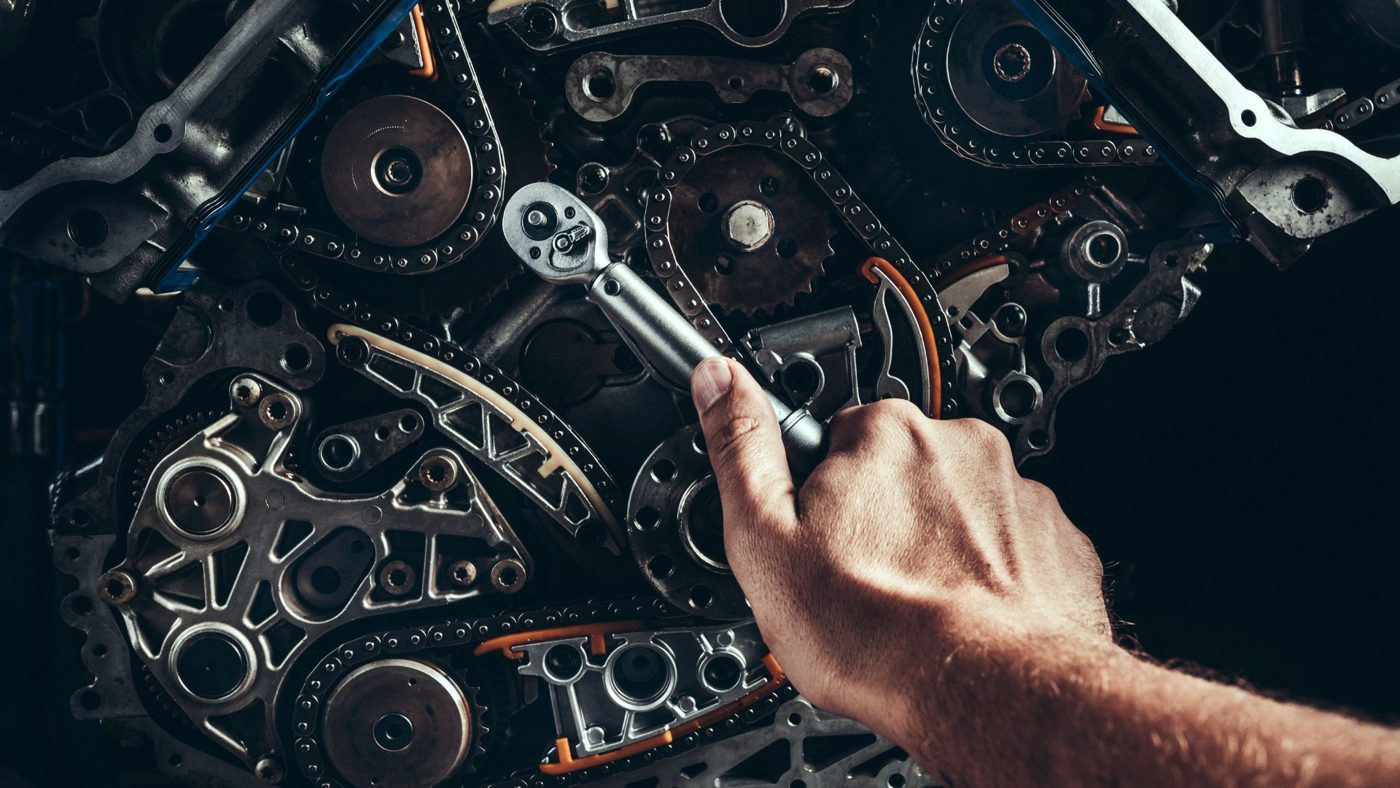
Rotary engine designs have fascinated car fans for decades; this article explains what a rotary engine is, why they sometimes fail, and practical repair or replacement options across South Africa.
What is a rotary engine and who invented it?
A rotary engine (also called a Wankel engine) replaces pistons with a triangular rotor that spins inside an oval-like housing to produce combustion cycles. The basic concept was developed by Felix Wankel in the 1950s and refined by manufacturers like Mazda, who championed the layout in production cars. For a concise technical history, see the Wankel engine entry on Wikipedia: Wankel engine.
How does a rotary engine work?
At its core a rotary engine converts pressure from expanding gases into rotational motion by using a trochoidal housing and a three-lobed rotor. The rotor creates three separate combustion chambers that change volume as the rotor turns, producing intake, compression, combustion and exhaust events in one revolution. Compared with a typical piston engine, the rotary engine has fewer reciprocating parts and a smoother power delivery. However, the rotor’s sealing faces, apex seals, and housing surface are critical components whose condition determines compression and reliability.
What are the main advantages of a rotary engine?
Rotary engines are prized for a handful of measurable advantages that made them attractive in sports cars and light aircraft applications:
- High power-to-weight ratio and compact packaging.
- Fewer moving parts means simpler valvegear—no camshafts, valves, or connecting rods.
- Smoother high-RPM operation, making them well-suited to performance tuning.
These benefits are balanced against emissions and fuel-efficiency challenges, which contributed to limited adoption outside niche markets.
Why do rotary engines fail more often than piston engines?
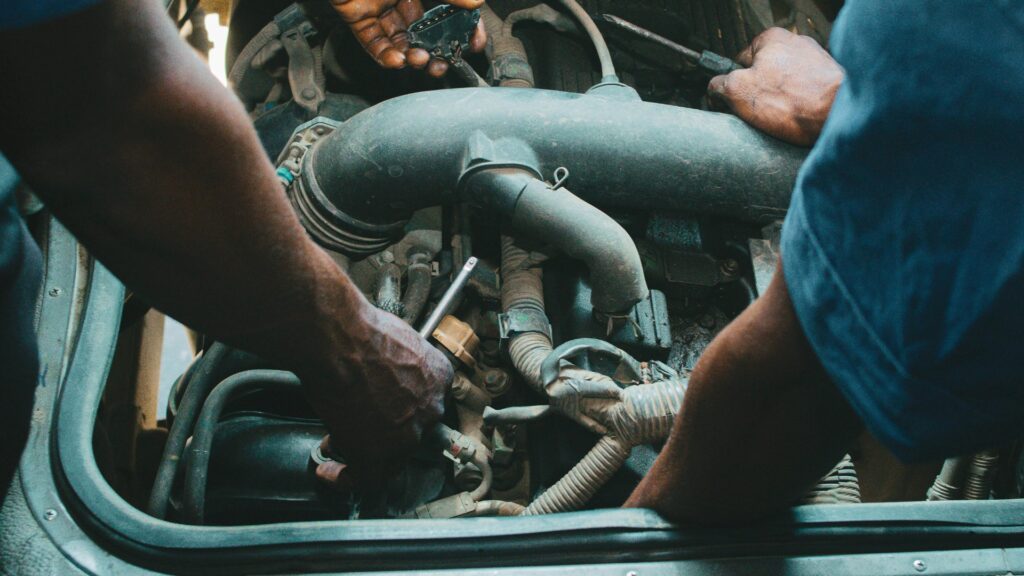
Rotary engine failures often trace back to sealing and lubrication issues. The apex seals and side seals maintain compression. If seals wear, carbon or oil ingress increases, causing poor compression, misfires, and ultimately engine failure. Heat management is also crucial—rotors generate localized hot spots and uneven thermal expansion can affect clearances and seal life. Poor maintenance, lean or rich fuel mixtures, and prolonged idling without adequate oiling can accelerate wear.
What are the most common failure modes and symptoms?
Recognising early symptoms saves time and money. Common failure modes include:
- Low compression on a leak-down or compression-tested engine report — typical early warning.
- Excessive oil consumption and blue smoke from the exhaust, indicating apex-seal wear or seal lip damage.
- Rough idle, misfire, or loss of power under load.
- Overheating localized to housing sections due to coolant flow issues or gasket failure.
In South Africa, workshops often request leak-down reports and compression-tested engines before recommending rebuilds or replacement. LRD Pretoria provides compression-tested and warranty-backed units that include documentation to aid diagnosis.
How do you test a rotary engine and what reports matter?
Testing a rotary engine relies on several measures. Compression tests (per chamber), leak-down tests, and oil analysis are essential. A cold-start video or Email clip showing engine running can help remote diagnosis. According to independent engine specialists, a multi-point leak-down test is the most revealing way to assess apex-seal integrity and whether a rebuild is justified.
- Compression-tested engines: compare readings across the three combustion chambers.
- Leak-down reports: identify where compression is lost (intake, exhaust, seals, or housing).
- Cold-start and idle videos: reveal smoke, idle quality and initial oil usage.
Workshops in Pretoria and across South Africa often couple these reports with VIN/ECU compatibility checks before recommending replacement or rebuild paths.
Can a rotary engine be rebuilt, and what does a rebuild involve?
Yes, rotary engines can be rebuilt, but they require specialist skills. A full rebuild typically includes housing resurfacing or replacement, rotor reconditioning, new apex and side seals, bearings, and replacement of peripheral components (oil pumps, spark plugs, ignition components). Labour is intensive and requires balancing and measuring clearances precisely.
Rebuilds can be cost-effective when housing and rotor housings are within tolerances. If the housing is cracked or excessively worn, a replacement engine—rebuilt or imported used unit—may be a better value. Many South African repair shops offer core exchange programs and warranty-backed rebuilt engines; check the terms and the inclusion of leak-down reports and test runs before accepting the unit.
Should I rebuild my rotary or replace it with a used/rebuilt unit?
Deciding between rebuild and replacement depends on cost, availability, and turnaround time. Rebuild pros: you keep original VIN-matched engine parts and can address every wear item. Rebuild cons: specialist labour costs and wait time. Replacement pros: quicker turnaround if a compression-tested, warranty-backed rebuilt or imported Japanese/German unit is available; replacement cons: VIN/ECU compatibility checks and potential adaptation required.
LRD Pretoria and similar suppliers across South Africa offer both rebuilt engines and used engines with clear test reports, same-day collection in Pretoria, door-to-door delivery nationwide, and VIN fitment support. For some owners, a cost-effective replacement from an imported Mazda donor is preferable to an expensive rebuild—especially when a detailed leak-down report already shows severe housing or rotor damage.
How much does a rotary engine rebuild or replacement cost in South Africa?
Costs vary widely based on condition and source. A full rebuild from a specialist workshop typically costs more in labour than parts and can range significantly depending on whether housings need machining or replacement. A used, compression-tested unit imported from Japan may present a lower upfront cost, but factor in shipping, import duties and VIN/ECU compatibility checks. According to workshops surveyed in South Africa, many customers find imported, rebuilt Mazda units with warranty and return terms more predictable in total cost of ownership than uncertain rebuilds with variable labour standards.
How do emissions, fuel consumption and regulations affect rotary ownership?
Rotary engines historically face challenges with hydrocarbon emissions and fuel efficiency. According to Wikipedia, Wankel engines tend to have higher unburnt hydrocarbon emissions compared to comparable piston engines. For owners in South Africa, that can influence roadworthy tests and insurance inspections. Many owners mitigate this by fitting modern fuel-management systems, precise ECU tuning, and ensuring exhaust and evaporative systems are in order. If emissions compliance is a concern, consult a VIN/ECU compatibility check and consider aftermarket catalytic solutions or re-mapped ECUs from trusted suppliers.
Where do I source parts, rebuilt engines or second-hand gearboxes in South Africa?
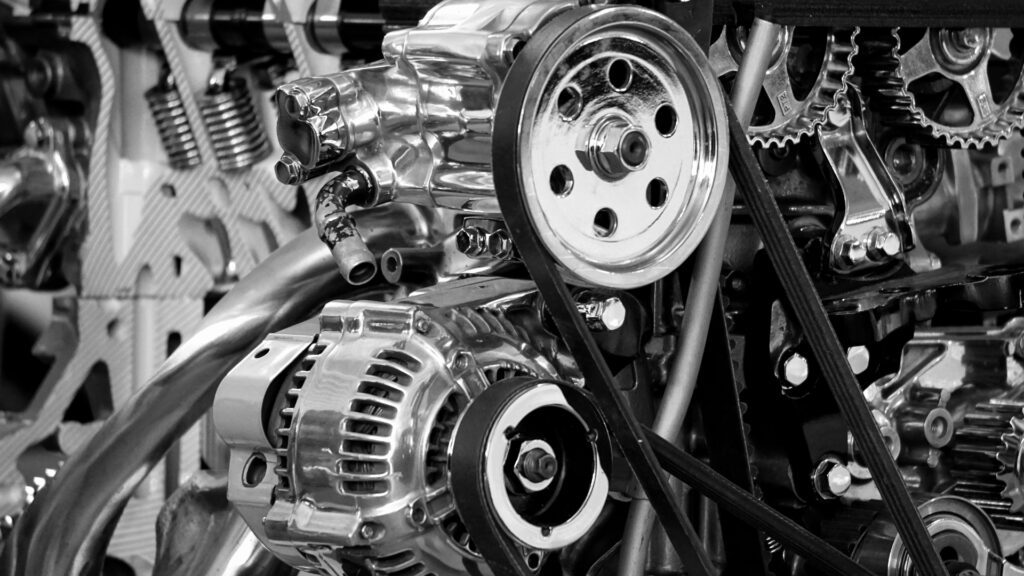
South Africa has a growing market for used and rebuilt engines, especially imported Japanese units. Suppliers offer a range from stripped spares to warranty-backed units with core exchange programs and nationwide parts delivery. When sourcing, look for these items in the paperwork:
- Compression-tested engine reports and leak-down documentation.
- Warranty terms and return policy clearly documented.
- VIN and ECU compatibility checks and fitment partner referrals.
For specialised rotary parts (apex seals, rotor housings), contacts at performance rebuild shops and brands that work with Mazda parts are best. You can also browse local inventories for compatible donors or gearboxes at supplier pages like LRD Pretoria's shop and brand-specific categories such as Mazda 2nd-hand engines and Toyota 2nd-hand engines for donor possibilities. For general stock and same-day collection in Pretoria, see the main site: LRD Pretoria.
How do warranties, testing and trade supply work for rotary engines?
Reputable suppliers provide compression-tested engines and leak-down reports, warranty-backed units, and clear return & warranty terms. Core exchange programs reduce cost for workshops and fleet services, while VIN fitment support ensures the replacement engine matches vehicle electronics. For workshops, trade supply programs and bulk orders are typically available; LRD Pretoria lists trade support and fitment partner referrals on their blogs and product pages to help workshops streamline replacements and rebuilds. See more resources on their blog category: Engine & workshop blogs.
Is keeping a rotary engine worth it for performance or classic-value reasons?
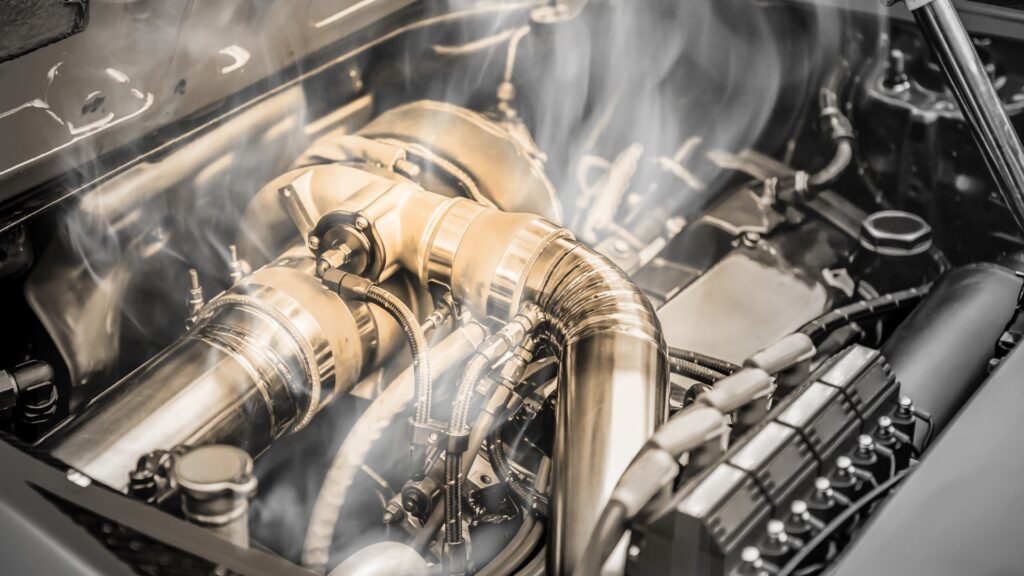
Many enthusiasts keep rotary engines because of their unique sound, high-RPM character, and historical value in models like the Mazda RX series. If the vehicle has classic or collector value, investing in a quality rebuild with documented compression and leak-down testing, paired with warranty-backed work, can preserve value. According to Mazda and rotary-owner communities, careful maintenance and appropriate tuning significantly extend useful life, though owners should budget for higher oil consumption and more frequent inspections than piston-engine counterparts.
Final checklist: deciding next steps for a failing rotary engine
Use this checklist before committing to rebuild or replacement:
- Obtain a full compression-tested and leak-down report.
- Request cold-start and running video proof via Email if remote diagnosis is required.
- Compare rebuild quotes (including housing machining) vs cost of a compression-tested used or rebuilt unit with warranty.
- Verify VIN/ECU compatibility and ask for fitment referrals or partner workshops.
- Check warranty terms, return policy and any core exchange program details.
For sourcing, inspection, or same-day collection in Pretoria, LRD Pretoria lists engines and parts in their shop and brand categories that can shorten turnaround times: Shop engines & parts. If you need a second-hand gearbox with a compatible drive ratio or to source stripped spares, browse the brand categories or contact a fitment partner for on-site installation.
Whether you keep, rebuild or replace a rotary engine, insist on documented test reports, clear warranty terms, and VIN/ECU compatibility checks. These steps protect you and provide a cost-effective path forward—especially for fleet, bakkie & 4x4 engines where downtime has a direct business cost. According to independent rebuild shops, prioritising documented testing and warranty-backed units reduces unexpected failures by a substantial margin in the first 12 months after replacement.
"{\n \"@context\": \"https://schema.org\",\n \"@type\": \"FAQPage\",\n \"@id\": \"\",\n \"mainEntity\": [\n {\n \"@type\": \"Question\",\n \"name\": \"What is a rotary engine and who invented it?\",\n \"acceptedAnswer\": {\n \"@type\": \"Answer\",\n \"text\": \"A rotary engine, also known as a Wankel engine, uses a triangular rotor inside a trochoidal housing to perform intake, compression, combustion and exhaust. The concept was developed by Felix Wankel in the 1950s and later industrialised by manufacturers such as Mazda.\"\n }\n },\n {\n \"@type\": \"Question\",\n \"name\": \"How does a rotary engine work?\",\n \"acceptedAnswer\": {\n \"@type\": \"Answer\",\n \"text\": \"The rotor creates three separate chambers that change volume as it spins, producing the combustion cycles. The rotating motion directly drives the output shaft and eliminates many reciprocating parts found in piston engines.\"\n }\n },\n {\n \"@type\": \"Question\",\n \"name\": \"Why do rotary engines fail more often than piston engines?\",\n \"acceptedAnswer\": {\n \"@type\": \"Answer\",\n \"text\": \"Failures are commonly caused by apex-seal wear, poor lubrication, thermal issues and housing damage. Regular testing (compression and leak-down) is essential to identify early symptoms.\"\n }\n },\n {\n \"@type\": \"Question\",\n \"name\": \"Can a rotary engine be rebuilt?\",\n \"acceptedAnswer\": {\n \"@type\": \"Answer\",\n \"text\": \"Yes. Rebuilds involve replacing apex and side seals, reconditioning rotors and machining or replacing housings. Specialist skills are required and in some cases replacement with a compression-tested unit is more cost-effective.\"\n }\n },\n {\n \"@type\": \"Question\",\n \"name\": \"Should I rebuild or replace my rotary engine in South Africa?\",\n \"acceptedAnswer\": {\n \"@type\": \"Answer\",\n \"text\": \"Decide based on the leak-down report, housing condition, cost comparison between rebuild labour and imported warranty-backed units, and VIN/ECU compatibility. Suppliers in South Africa offer compression-tested and warranty-backed engines with nationwide delivery.\"\n }\n },\n {\n \"@type\": \"Question\",\n \"name\": \"What tests are most useful when assessing a rotary engine?\",\n \"acceptedAnswer\": {\n \"@type\": \"Answer\",\n \"text\": \"Multi-point compression tests, leak-down tests, oil analysis and cold-start/run videos are the most useful tests. These identify apex-seal condition, housing leaks and oil consumption issues.\"\n }\n }\n ]\n}\n"
meta: