
Toyota D4D Engine Problems, Smoke Symptoms and Fixes
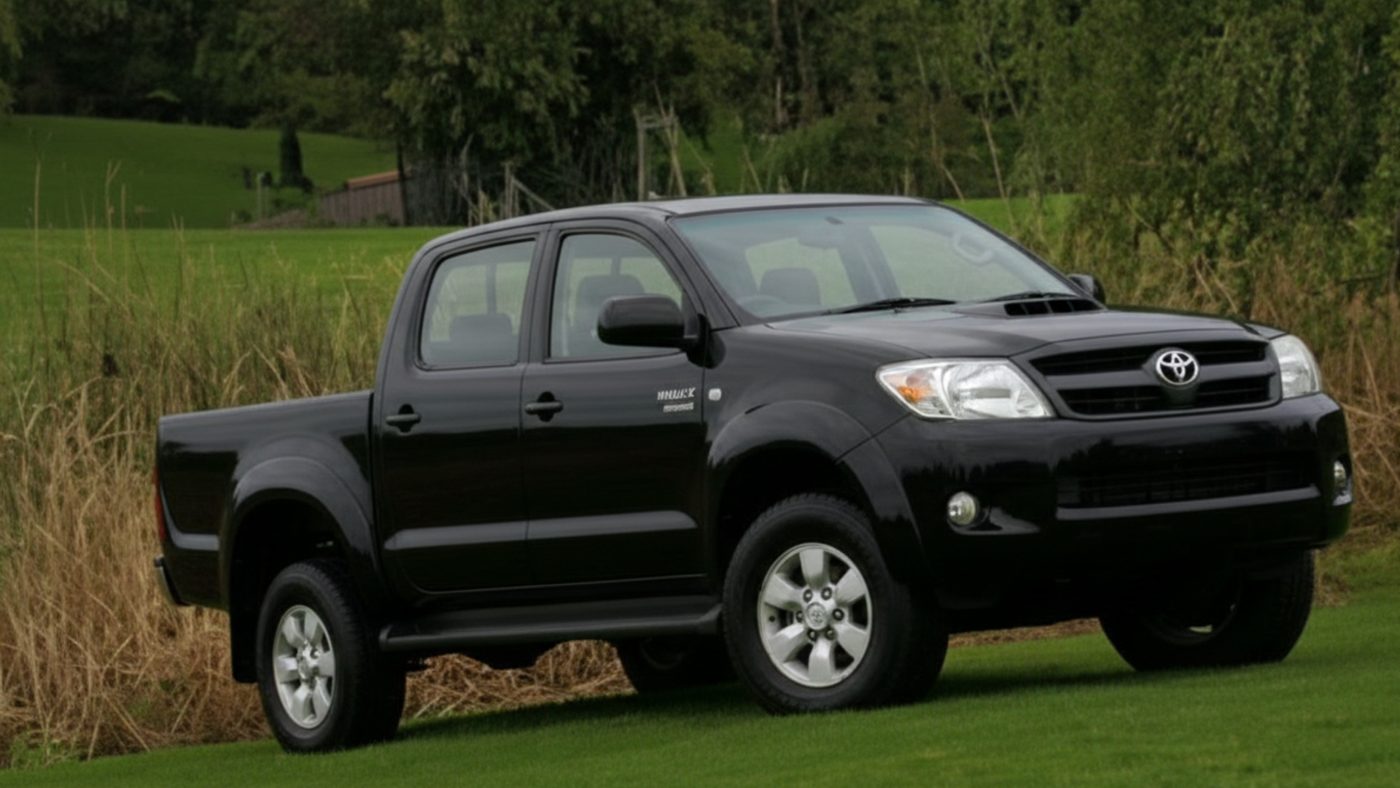
p>toyota d4d engines are a common choice across South Africa for bakkies and 4x4s thanks to strong torque, durability and a large aftermarket for used and rebuilt engines.
What exactly is the toyota d4d engine and why does it matter?
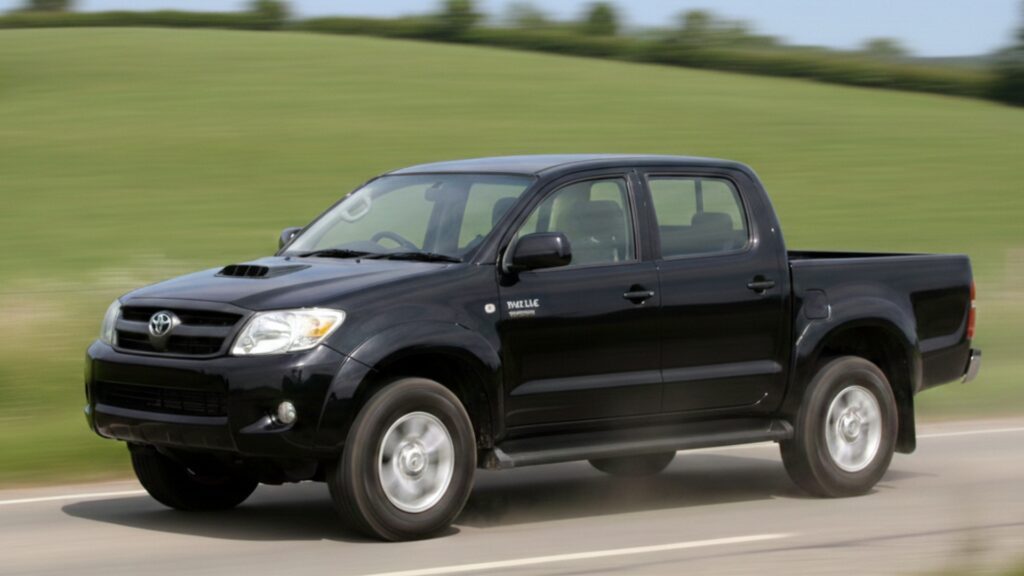
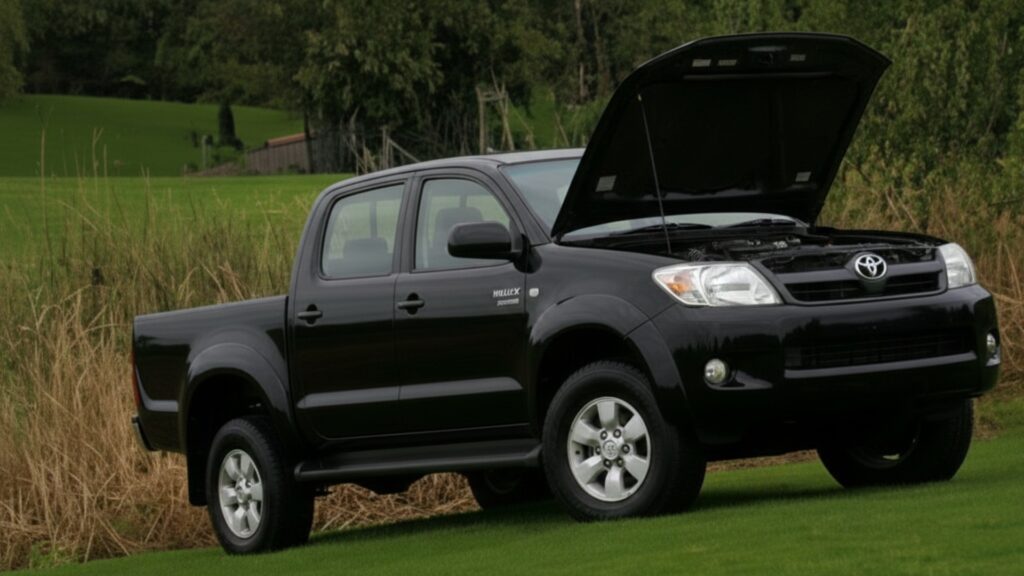
The term toyota d4d refers to Toyota's diesel engines using direct injection technology branded as D-4D. These units power a wide range of Toyota models — Hilux, Fortuner and other popular bakkies/4x4s — and are widely available as rebuilt or second-hand engines from importers and local dismantlers. Understanding the architecture helps when diagnosing smoke symptoms or planning a replacement.
According to Toyota, D-4D designates direct-injection diesel technology used to improve efficiency and torque. According to Wikipedia, common-rail and direct injection systems brought measurable gains in fuel economy and emissions for modern diesel engines (Wikipedia: Common rail). According to NAAMSA, light commercial vehicles (including bakkies) are a significant South African market segment, so D4D spares and rebuilt units remain in high demand locally.
What are the most common toyota d4d engine problems?
Owners and workshops frequently report a small set of recurring issues on D4D engines. These include injector wear/clogging, EGR and intake carbon buildup, turbocharger faults (on turbo models), head gasket failures in high-mileage units, and oil consumption caused by worn valve stem seals or piston rings.
Workshops in Pretoria and across South Africa often examine used engines with compression-tested engines and leak-down reports to confirm these common failure modes before fitment. Many suppliers offer warranty-backed units and core exchange programs to reduce buyer risk.
Quick summary table:
| Symptom | Likely cause | Typical fix |
|---|---|---|
| Blue smoke | Oil burning (seals/rings) | Valve seals, piston rings, rebuild |
| Black smoke | Rich mixture/injectors/turbo | Clean/replace injectors, turbo service, air filter |
| White smoke | Coolant burning/head gasket | Head gasket, coolant system pressure test |
Why is my toyota d4d producing blue smoke and how do I fix it?
Blue smoke typically indicates oil is entering the combustion chamber and burning. On toyota d4d engines this is often due to worn valve stem seals, excessive valve guide clearance, or piston ring wear on high-mileage units. Turbocharger seal failures can also let oil into the intake tract, producing blue smoke under boost.
Diagnosis steps include compression-tested engines and leak-down reports to quantify ring sealing, inspection of the turbo and crankcase ventilation system, and checking for blow-by. Fixes range from replacing valve stem seals and servicing the turbo to a full top-end or complete rebuild. Many South African workshops recommend replacing affected components with OEM or quality aftermarket parts and confirming repairs with a cold-start video proof (Email/video cold-start proofs) before handing the vehicle back.
What causes black smoke on a toyota d4d and how can I stop it?
Black smoke means incomplete combustion or a too-rich fuel charge. On toyota d4d engines common causes are dirty/clogged air filters, faulty fuel injectors delivering excess fuel, turbocharger failures that reduce intake air, or sensor faults (MAF/MAP) giving incorrect air-fuel control.
Resolve black smoke by: replacing air filters, cleaning or replacing injectors, testing turbo boost pressure and actuator, and scanning for ECU codes. In the industry of used and rebuilt engines, reputable sellers will include engine testing and reports so you can confirm injectors and turbo health before purchase. If you buy a second-hand engine, ask for VIN/ECU compatibility checks and a warranty-backed unit.
What does white smoke from a toyota d4d indicate and is it dangerous?
White smoke (especially continuous white steam-like smoke) often means coolant is entering the combustion chamber — a head gasket leak, cracked head/block, or coolant leak into the intake. Intermittent brief white smoke on cold start is normal condensation burning off, but persistent white smoke under load is a red flag.
Diagnosis includes pressure-testing the cooling system, inspecting oil for coolant contamination (milky oil), and performing a compression/leak-down test. Fixes can be as minor as replacing a gasket or as major as a head rebuild. For clients weighing options, cost-effective replacements vs rebuilds are common decisions: a core exchange program with a warranty-backed replacement engine can be faster and often cheaper than a full local rebuild.
When should I rebuild, repair, or replace my toyota d4d engine?
Deciding to repair vs replace depends on damage extent, part availability, downtime tolerance, and cost. If problems are limited to injectors, turbo or valve seals, a targeted repair saves money. If the engine has low compression across multiple cylinders, excessive oil consumption and metal debris in oil, a full rebuild or replacement engine is usually recommended.
In South Africa many fleet and workshop customers choose rebuilt or imported engines (Japanese/German imports are common) because rebuilt engines are compression-tested and often come with leak-down reports and warranty-backed units. Consider these points:
- Repair: Lower cost, faster if parts available, suitable for single-system failures.
- Rebuild: Good if core is good but wear is internal; requires machine shop time and costs.
- Replace (used/rebuilt engine): Less downtime, pre-tested units with warranties and VIN fitment support.
Ask sellers for test proofs, compression-tested engines documentation, and clear return & warranty terms in writing. Many reputable suppliers provide payment & tax invoices for claims and same-day collection in Pretoria or door-to-door delivery across South Africa.
How do I diagnose toyota d4d injector and turbo problems?
Injector and turbo faults cause many of the smoke and performance issues on toyota d4d engines. Injectors that leak or have poor atomisation cause black smoke and rough running, while turbo seals or bearing failures produce blue smoke and loss of boost.
Use a structured diagnostic approach: scan for ECU codes, perform a balance test or cylinder cut-out to isolate weak injectors, measure fuel return and injector spray if possible, and test turbo boost and inspect for shaft play or oil leaks. Many trade suppliers offer stripped spares, rebuilt turbos and second-hand gearboxes and turbos; look for parts with core exchange options and warranty coverage.
Where can I get reliable used or rebuilt toyota d4d engines in South Africa?
South African buyers should source engines from suppliers who provide VIN/ECU compatibility checks, compression-tested engines, leak-down reports, and clear warranty terms. Look for sellers offering door-to-door delivery across South Africa, same-day collection in Pretoria, and Email/video cold-start proofs so you can confirm condition before fitment.
Useful resources for shopping and parts include local specialist categories and product pages. Browse Toyota second-hand engines and our general shop for options and fitment support: Toyota 2nd-hand engines, LRD Pretoria shop. If you need alternative brands or gearboxes check relevant inventory such as Isuzu engines or Ford units and transmission options. For high-performance or European imports consider BMW 2nd-hand engines.
What paperwork, warranties and checks should I insist on when buying a second-hand toyota d4d engine?
Never accept an engine without clear documentation. Ask for compression-tested engines reports, leak-down reports, history of parts replaced, and photos/videos of the engine running (cold-start). Insist on VIN/ECU compatibility checks, a warranty-backed unit (specify duration and exclusions), and a written return policy. For fleet claims you will often need a payment & tax invoice for insurance or warranty processing.
Quality suppliers will offer core exchange programs, stripped spares if you want to reuse parts, and fitment partner referrals. Confirm whether the unit includes OEM & aftermarket parts and whether injectors, turbo and ECU swaps are required for perfect fitment.
How can I prevent toyota d4d engine smoke and extend engine life?
Prevention is cheaper than repair. Regular oil changes with the correct grade, timely fuel and air filter replacement, and scheduled servicing of the EGR and intake system reduce deposits that cause smoking and performance loss. Use quality diesel fuel and treat injectors as a wear item: periodic cleaning or replacement at planned intervals keeps combustion clean.
Other tips: keep an eye on coolant condition to avoid white smoke causes, monitor oil consumption to catch early blue smoke issues, and perform periodic turbo inspections. Fleet and workshop customers benefit from planned maintenance, trade supply relationships and sourcing parts from reputable used engines and rebuilt engines providers to keep downtime low.
How much will it cost to fix toyota d4d smoke issues and where to get parts in South Africa?
Costs vary widely. Simple fixes like air filters or injector servicing can be affordable, while head gasket repairs or full engine rebuilds are costlier. Many customers in South Africa compare the cost-effective replacements vs rebuilds; buying a warranty-backed rebuilt engine with VIN fitment support can offer predictable costs and faster turnaround.
Shop around and request quotes that include labor, parts (OEM vs aftermarket), and any ECU or wiring modifications. Use suppliers that provide engine testing and documented leak-down reports so you know what you’re buying, and consider local workshops that partner with engine importers for fitment to reduce risk.
Conclusion — practical next steps if your toyota d4d is smoking
Start with a proper diagnosis: capture ECU codes, request a compression-tested engines report, and record a cold-start video to show to parts suppliers. If you need a replacement, look for rebuilt engines with warranty-backed units, core exchange options, VIN/ECU compatibility checks and nationwide delivery. For local options, check parts and engine categories across reputable suppliers and ensure you get written test reports and invoices for claims.
If you’d like assistance sourcing a compression-tested D4D unit or need a fitment partner referral in Pretoria, use the shop inventory and product categories to compare options and contact suppliers with your VIN and engine code — popular codes to mention include 1KD, 1GD and others depending on model. Working with a trusted provider reduces risk and helps restore your bakkie or 4x4 to dependable service.