
Why the K20 Engine Is One of Honda’s Most Wanted Engines in South Africa
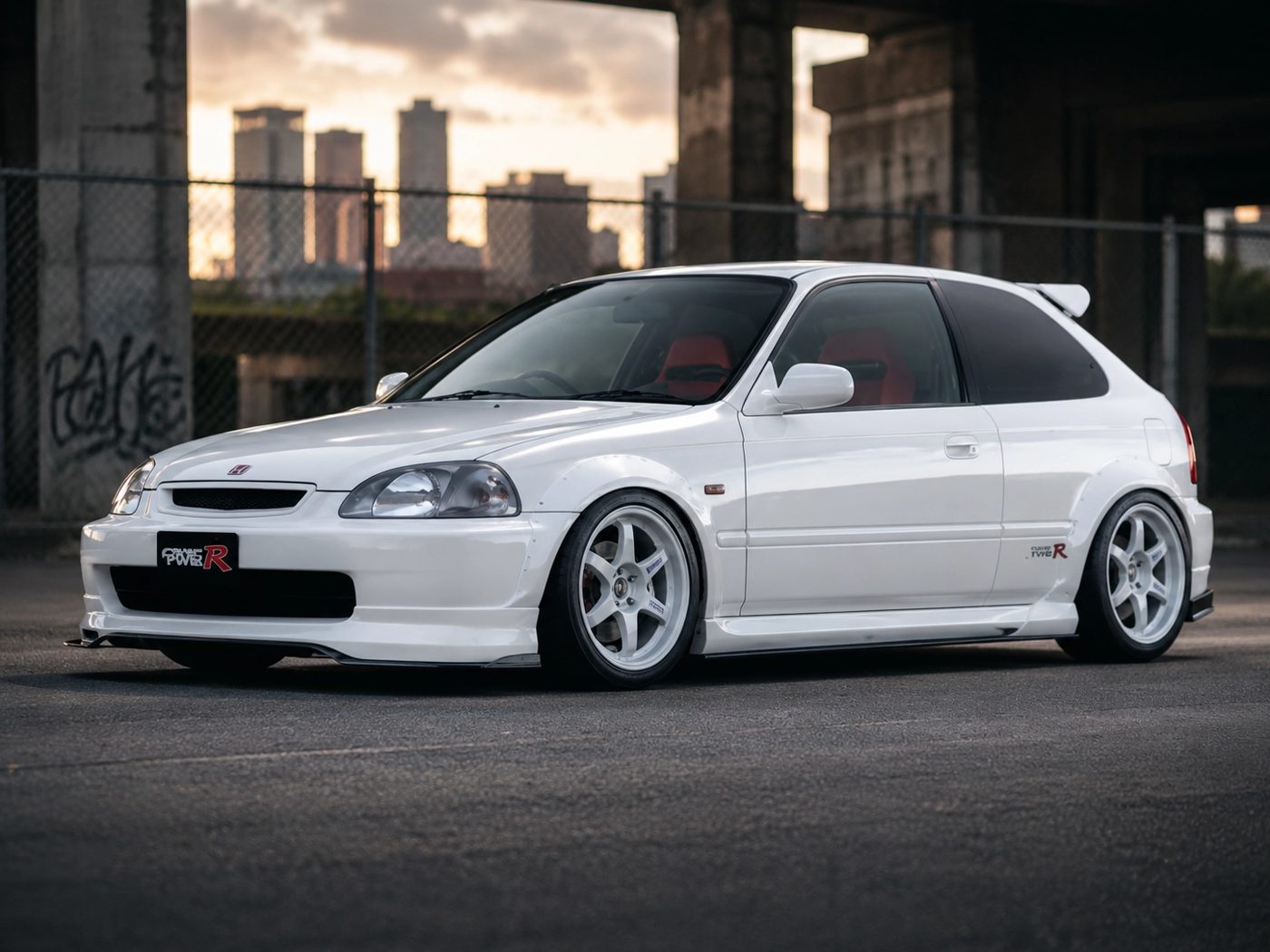
The Honda K20 engine has developed a strong following among performance-car enthusiasts, Honda owners and engine-swap builders across South Africa. Its high-revving character, compact design, i-VTEC technology and reputation for reliability have made it one of the most recognisable four-cylinder Honda engines ever produced.
However, the name “K20 engine” refers to an entire family of 2.0-litre engines rather than one specific motor. A K20A, K20A2, K20A3, K20A6 and K20Z4 may share the same basic engine family, but their cylinder heads, compression ratios, camshafts, intake systems, electronics, power outputs and original vehicle applications can differ significantly.
This guide explains why the K20 has become so desirable in South Africa, which versions are available, the problems buyers should check for and what to consider before purchasing a replacement or conversion engine from a specialist engine and gearbox supplier in Pretoria.
What is a K20 engine?
The K20 is part of Honda’s K-series engine family. It is a 2.0-litre, four-cylinder petrol engine that replaced several older Honda B-series and F-series applications during the early 2000s.
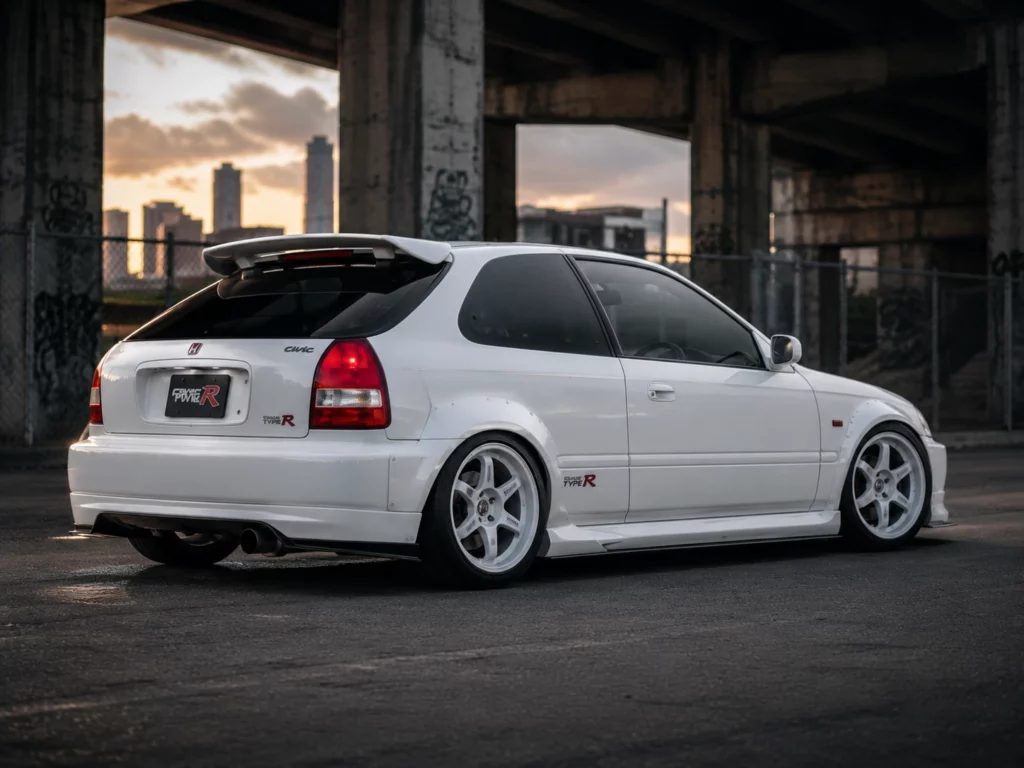
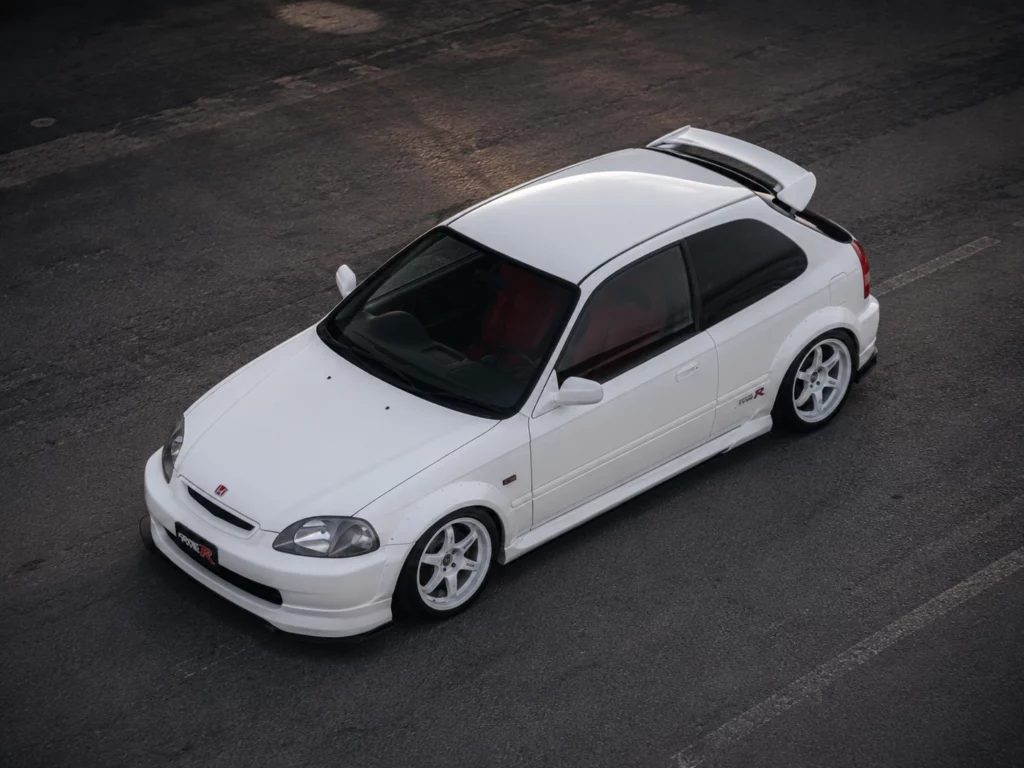
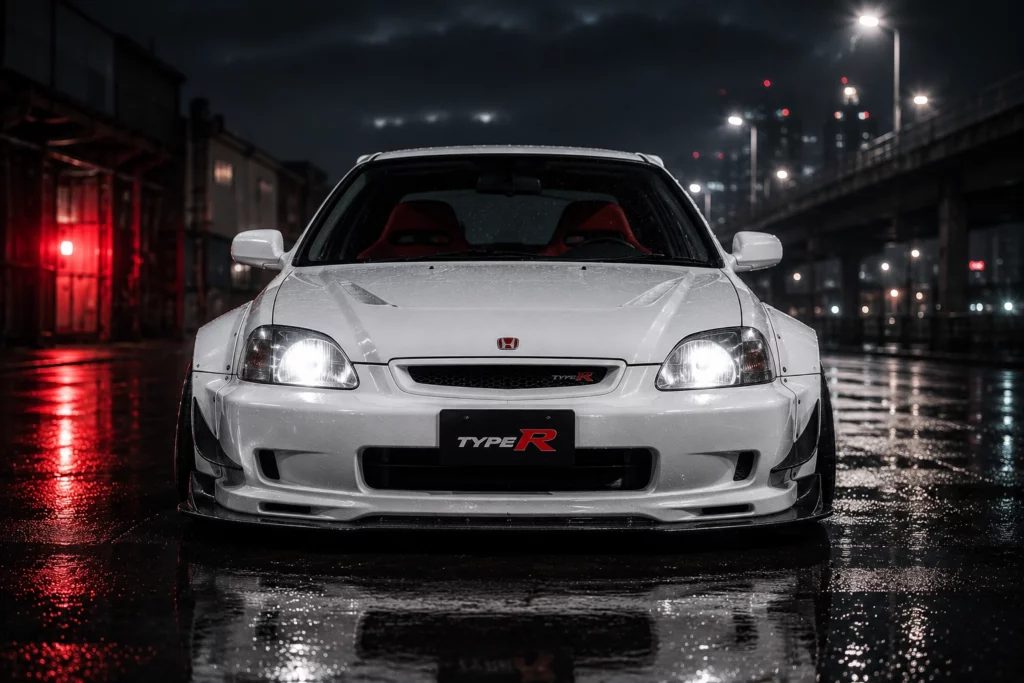
Honda used naturally aspirated K20 engines in ordinary passenger vehicles as well as high-performance models such as the Civic Type R, Integra Type R, Accord Euro R and Acura RSX Type-S. Different versions were developed for performance, fuel economy and everyday driving.
The original EP3 Civic Type R helped establish the reputation of the K-series engine. Honda described its 2.0-litre DOHC i-VTEC powerplant as a high-revving engine combining VTEC valve lift control with Variable Timing Control. More information about the original model is available in Honda’s official 2001 Civic Type R announcement.
| Feature | General K20 detail | Why it matters |
|---|---|---|
| Engine configuration | 2.0-litre inline four-cylinder | Compact and relatively lightweight |
| Cylinder head | DOHC, with i-VTEC on many variants | Supports efficient airflow and strong high-rpm performance |
| Camshaft drive | Timing chain | Does not use a conventional timing belt |
| Fuel system | Multi-point injection on older naturally aspirated variants | Different injectors and ECUs may be used |
| Installation | Usually transverse and front-wheel drive | Gearbox, mounts and wiring must match |
| Power output | Varies substantially by engine code | Not every K20 is a Type R engine |
Why is the K20 engine so popular in South Africa?
The K20 appeals to several different types of South African buyers. Some need a replacement engine for an existing Honda, while others want a high-revving engine for a Civic, Ballade, Integra or custom conversion project.
Its popularity is based on more than maximum power. The engine combines everyday drivability with a strong performance heritage and a large international supply of replacement, maintenance and tuning components.
- Strong factory performance from selected K20 variants
- High-revving naturally aspirated power delivery
- Honda i-VTEC and variable camshaft-timing technology
- Compact dimensions for performance conversions
- Good parts availability compared with many specialist engines
- Large international tuning and technical-support community
- Strong reliability when the engine remains standard and properly maintained
- Several available manual gearbox combinations
- Potential for naturally aspirated or turbocharged performance builds
The K20 is particularly attractive because it can serve different purposes. A standard lower-output version may suit an everyday replacement, while a high-performance K20A or K20A2 is more desirable for a Type R restoration or performance conversion.
What makes the K20 engine perform so well?
High-performance K20 engines were designed to breathe efficiently and operate at high engine speeds. Honda combined dual overhead camshafts with its VTEC system and variable intake-camshaft timing to improve performance across a wider rev range.
VTEC can change the valve-lift and duration characteristics at higher engine speeds, while Variable Timing Control adjusts the intake-camshaft position according to engine load and operating conditions. The exact system differs between variants, and some economy-focused K20 engines do not use the same performance-oriented cylinder head or camshaft arrangement as a Type R engine.
For example, Honda’s Japanese-market FD2 Civic Type R used a naturally aspirated K20A producing a stated 165 kW at 8,000 rpm and 215 Nm at 6,100 rpm. The European Civic Type R Euro used a different 2.0-litre naturally aspirated specification producing 148 kW and 193 Nm. These differences show why buyers should confirm the exact engine code rather than assuming that every K20 produces the same power.
Which Honda vehicles use a K20 engine?
K20 engines were installed in numerous Honda and Acura vehicles across Japan, Europe, North America and other markets. Vehicle applications vary according to the engine suffix, production year and destination market.
| Engine variant | Commonly associated applications | General purpose |
|---|---|---|
| K20A | Civic Type R, Integra Type R, Accord Euro R and other Japanese-market applications | Available in both performance and standard specifications |
| K20A2 | European EP3 Civic Type R and Acura RSX Type-S | High-performance naturally aspirated engine |
| K20A3 | Selected Civic Si, Civic Type-S and base Acura RSX models | Everyday and sport-oriented applications |
| K20A6 | Selected seventh-generation Honda Accord 2.0 models | Everyday naturally aspirated application |
| K20Z2 and K20Z3 | Selected Civic and Accord applications | Later naturally aspirated K20 generation |
| K20Z4 | European FN2 Civic Type R | High-performance naturally aspirated engine |
| K20C | Newer turbocharged Civic Type R and other modern Honda applications | Later direct-injection turbo engine family |
This table provides a general guide only. Honda applications differ between countries, and imported Japanese engines may not use the same suffix system or external components as South African-market vehicles.
Customers looking for an available replacement can view LRD Pretoria’s current selection of second-hand Honda engines.
Are all K20 engines Type R engines?
No. This is one of the most important points for anyone buying a K20 engine.
The K20 name identifies the engine family and approximate displacement. It does not automatically confirm that the engine came from a Civic Type R, Integra Type R or Accord Euro R.
Performance versions normally use different camshafts, cylinder heads, intake manifolds, compression ratios, oil systems and internal components. An economy-focused K20 may still be reliable and useful, but it will not necessarily provide the same factory performance or tuning potential as a genuine Type R specification.
The K20A6, for example, is generally associated with selected 2.0-litre Honda Accord applications rather than the main Civic Type R engine range. Buyers should inspect the code stamped on the engine block and confirm the donor-vehicle information before accepting any engine as a Type R unit.
How can I identify the correct K20 variant?
- Locate the complete engine code stamped on the block
- Request the donor vehicle’s model and production year
- Check the cylinder-head casting and valve-cover configuration
- Confirm the intake manifold and throttle-body arrangement
- Check whether the engine uses a cable or electronic throttle
- Confirm the ECU, wiring harness and immobiliser requirements
- Check which gearbox was originally paired with the engine
- Do not rely only on a red valve cover or seller description
LRD Pretoria currently lists a Honda 2.0 K20A engine. The exact specification, included components and compatibility should still be confirmed against the customer’s vehicle before purchase.
Is the K20 engine reliable?
A standard K20 engine can be highly reliable when it receives regular oil changes, correct coolant, proper valve-clearance inspections and responsible driving. Many problems associated with these engines are caused by age, poor maintenance, overheating, incorrect modifications or sustained operation with a low oil level.
Reliability also depends on how the engine was used before it reached the second-hand market. A standard Accord engine that completed regular highway driving may have experienced a very different life from a modified engine that was repeatedly operated near its rev limit.
Imported engine mileage should not be treated as the only measure of condition. Compression, oil pressure, internal cleanliness, cooling-system condition and evidence of previous repairs can provide more useful information.
What are the most common K20 engine problems?
The K20 does not have one universal failure that affects every version. However, older or poorly maintained engines can develop several mechanical and electrical problems that should be investigated before purchase or installation.
- Engine-oil leaks from aged seals and gaskets
- Oil consumption on worn or heavily used engines
- Timing-chain, tensioner or guide wear
- Cold-start rattling from timing or camshaft-control components
- VTEC solenoid, oil-pressure switch or oil-flow problems
- Ignition-coil, spark-plug or injector faults
- Cooling-system leaks and overheating
- Incorrect valve clearances
- Worn engine mounts causing vibration
- Low compression caused by internal wear or previous damage
- Damage caused by over-revving or an incorrect downshift
- Poorly installed aftermarket tuning components
Not every warning light or unusual noise means that the complete engine needs to be replaced. Correct mechanical and electronic testing should be completed before expensive parts are ordered.
Why might a K20 engine use or leak oil?
Oil leaks become more likely as the engine’s seals and gaskets age. Possible leak areas include the rocker or valve-cover gasket, timing cover, crankshaft seals, oil-pressure switches and the VTEC solenoid or spool-valve assembly.
Oil consumption may also increase when piston rings, valve-stem seals or cylinder walls are worn. Engines that have spent long periods at high rpm or have operated with irregular oil changes may be more vulnerable.
Warning signs of an oil-related K20 problem
- Oil level dropping between services
- Blue smoke from the exhaust
- Burning-oil smell after driving
- Visible oil around the cylinder head or engine block
- Oil-pressure warning light
- VTEC-related fault codes
- Rattling or mechanical noise when the oil level is low
Low oil levels are particularly dangerous in a high-revving engine. The timing-chain tensioner, camshafts, bearings and VTEC system all depend on adequate oil pressure and clean lubricant.
Can a K20 timing chain fail?
The K20 uses a timing chain rather than a conventional rubber timing belt. A chain can last a long time, but it is not maintenance-free or immune to wear.
Dirty oil, incorrect viscosity, low oil pressure and extended service intervals can contribute to tensioner, guide and chain wear. Early symptoms may include startup rattling, a check-engine light, uneven idling, reduced power or camshaft-to-crankshaft correlation faults.
If the chain becomes excessively loose or moves out of position, the valve timing can become incorrect. Severe timing failure can allow piston-to-valve contact and cause extensive cylinder-head damage.
K20 timing-system warning signs
- Metallic rattle during a cold start
- Persistent rattling from the timing-cover area
- Camshaft or crankshaft correlation fault codes
- Rough idle or repeated misfires
- Loss of power at higher engine speeds
- Difficulty starting the engine
- Metal contamination in the engine oil
What causes VTEC problems on a K20?
The VTEC system depends on oil pressure, electronic control and mechanically functioning valve-train components. A low oil level, blocked oil passage, damaged solenoid, faulty oil-pressure switch, wiring problem or incorrect oil can prevent the system from operating correctly.
Possible symptoms include reduced high-rpm performance, an engine warning light, an inability to rev beyond a certain point or VTEC-related diagnostic codes.
A workshop should verify the engine-oil level and pressure before replacing the VTEC solenoid. Installing a new solenoid will not correct low oil pressure, internal wear or a blocked oil passage.
What causes a K20 engine to overheat?
Overheating should be treated as an immediate warning. Continuing to drive can damage the cylinder head, head gasket, pistons and cylinder walls.
Possible causes include a leaking radiator, failed water pump, damaged thermostat, faulty cooling fan, blocked coolant passage, leaking hose, incorrect coolant mixture or air trapped in the cooling system after repairs.
- Temperature gauge rising above normal
- Coolant warning or repeated coolant loss
- Cooling fans operating unusually often
- Visible coolant beneath the vehicle
- Sweet coolant smell after driving
- Weak or inconsistent cabin heating
- White exhaust smoke after the engine is warm
- Pressurised or overflowing coolant reservoir
A cooling-system pressure test and combustion-gas test can help determine whether the problem is an external leak or internal engine damage.

How should a used K20 engine be tested?
A proper inspection should combine identification, electronic diagnostics and mechanical testing. Visual appearance alone cannot confirm the internal condition of an engine.
- Confirm the complete engine code and serial number
- Check the donor vehicle and gearbox information
- Inspect the engine oil for contamination or metal particles
- Inspect beneath the oil cap for sludge or coolant contamination
- Perform a compression test where possible
- Complete a cylinder leak-down test if compression is uneven
- Check engine-oil pressure
- Inspect the timing chain, guides and tensioner
- Check for cooling-system corrosion or previous overheating
- Inspect the intake ports and spark plugs
- Confirm which sensors and ancillary components are included
- Read and understand the written warranty terms
A compression test measures the pressure produced by each cylinder. A leak-down test can help determine whether pressure is escaping through the intake valves, exhaust valves, piston rings or head gasket.
Should I repair or replace a damaged K20 engine?
The correct decision depends on the engine code, extent of damage, availability of parts, labour cost and the purpose of the vehicle.
A repair may be sensible when the fault is limited to a gasket, sensor, ignition component or accessible timing-system component. A replacement may offer better value when the engine has severe overheating damage, poor compression, bearing failure, a cracked block or damage across several internal systems.
| Repair may be suitable when | Replacement may be suitable when |
|---|---|
| The fault is isolated and accurately diagnosed | The engine has extensive internal damage |
| Compression is even across the cylinders | One or more cylinders have very low compression |
| The block and cylinder head remain serviceable | The block or cylinder head is cracked or badly damaged |
| Oil pressure remains within specification | The engine has bearing or oil-pressure failure |
| The engine has not suffered severe overheating | The motor has repeatedly overheated |
| The repair includes a clear warranty | A tested replacement offers better total value |
Request written quotations for both options. The comparison should include machining, internal parts, gaskets, timing components, fluids, labour, fitment, additional components and warranty coverage.
What is the difference between a K20 and K24 engine?
The K20 and K24 belong to the same broad Honda K-series family, but the K24 has a larger 2.4-litre displacement. It generally produces more low- and mid-range torque, while performance-focused K20 variants are known for their high-revving character.
| Feature | K20 engine | K24 engine |
|---|---|---|
| Displacement | Approximately 2.0 litres | Approximately 2.4 litres |
| General character | Rev-focused, depending on variant | Stronger low- and mid-range torque |
| Common applications | Civic, Integra, Accord and Acura models | Accord, CR-V, Odyssey and other larger applications |
| Performance appeal | Type R heritage and high-rpm performance | Torque and hybrid K20/K24 build potential |
| Direct interchangeability | Not guaranteed; mounts, sump, cylinder head, intake, ECU and gearbox requirements must be checked | |
Some performance builders combine a K24 bottom end with selected K20 cylinder-head components. This is a specialist engine build rather than a simple bolt-on upgrade and requires correct component selection, machining, engine management and tuning.
Customers considering the larger engine can also view LRD Pretoria’s available Honda K24A engine.
Is the K20 engine suitable for an engine swap?
The K20 is a popular conversion engine, but a successful swap requires considerably more than purchasing the motor. The engine must work as part of a complete system that includes the gearbox, mounts, driveshafts, fuel supply, cooling system, exhaust, wiring and engine management.
- Correct engine and gearbox combination
- Suitable engine and gearbox mounts
- Compatible driveshafts and hubs
- ECU, immobiliser and wiring solution
- Correct fuel pump and fuel-pressure system
- Adequate radiator and cooling fans
- Suitable intake and exhaust systems
- Correct throttle arrangement
- Upgraded brakes and suspension where necessary
- Professional ECU calibration
LRD Pretoria also lists a Honda K20 manual gearbox. Buyers must still confirm the gearbox code, ratios, differential, clutch, shifter arrangement and compatibility with the intended engine.
Owners planning performance upgrades can read LRD Pretoria’s existing guide to getting more horsepower from a K20 engine.
What legal steps apply after an engine replacement in South Africa?
When an engine replacement changes the engine number recorded against a vehicle, the owner must follow the required clearance and registration process.
The process generally involves requesting a police-clearance form from the relevant motor-vehicle registering authority, presenting the vehicle for SAPS vehicle clearance and returning to the registering authority so the new engine number can be recorded.
Requirements and supporting documents should be confirmed with the customer’s local registering authority before beginning the conversion. Official guidance is available from the government vehicle-clearance information service.
Buyers should retain the engine invoice, engine number, supplier details and any import or ownership documentation supplied with the motor. The vehicle owner should also notify their insurer of material engine or performance changes.
What should I check before buying a K20 engine?
A K20 can be an expensive specialist purchase. Confirm the exact specification and what is included before making payment.
- The complete K20 engine code
- The engine number and supporting invoice
- The original donor vehicle where known
- Whether the engine is a standard, performance or Type R variant
- Whether the unit is supplied bare or complete
- Which intake, exhaust, fuel and electrical components are included
- Whether the alternator, starter, air-conditioning pump and power-steering components are included
- Compression or condition-testing information
- Visible evidence of overheating, sludge or previous repairs
- Compatible gearbox options
- Written warranty terms and exclusions
- Collection, delivery and return arrangements
Do not order an engine based only on the phrase “Honda 2.0 engine”. Provide the vehicle identification number, existing engine code, gearbox type, model year and photographs of the original installation.
How much does a K20 engine cost in South Africa?
K20 engine prices in South Africa vary according to the exact engine code, specification, condition, availability and included components. A standard Accord-derived engine will not necessarily carry the same price as a genuine Civic Type R or Integra Type R unit.
Pricing is also affected by whether the engine is supplied as a bare long motor or with the intake manifold, throttle body, injectors, exhaust manifold, alternator, starter, wiring, ECU and gearbox.
| Pricing factor | How it affects the price |
|---|---|
| Engine code | Rare performance variants normally command higher prices |
| Condition | A tested, clean unit may cost more than an untested engine |
| Included components | A complete engine package generally costs more than a bare motor |
| Gearbox | A compatible manual gearbox can add substantially to the package price |
| ECU and wiring | Conversion-ready electronic components increase value |
| Warranty | Written supplier protection may be reflected in the purchase price |
| Availability | Scarce Type R engines can fluctuate according to imported stock |
At the time this guide was prepared, LRD Pretoria listed a Honda 2.0 K20A6 engine at R38,000. Stock and online prices can change, and customers should request a current quotation while confirming the exact engine code and specification.
Where can I buy a K20 engine in Pretoria?
LRD Pretoria supplies imported replacement engines, gearboxes and related automotive components from its Pretoria operation in Klerksoord, Akasia. The company serves customers from Pretoria, Centurion, Midrand, Johannesburg and other parts of Gauteng, with delivery options available to customers elsewhere in South Africa.
Because K20 stock can change, customers should contact the team with the vehicle’s VIN, engine code, model year, gearbox information and intended use. These details help distinguish an ordinary replacement request from a Type R restoration or custom conversion.
Customers can browse the LRD Pretoria engine and gearbox shop or contact the engine team to confirm current Honda K20 availability, warranty coverage, collection and nationwide delivery arrangements.
LRD Pretoria location:Business address to be confirmed.
Engine enquiries: Phone details coming soon
[IMAGE PLACEHOLDER 5: LRD Pretoria premises, stock or K20 collection image – Suggested alt text: K20 engine supplier in Pretoria South Africa]
How can K20 owners reduce the risk of engine failure?
Good maintenance cannot prevent every age-related problem, but it can significantly reduce avoidable damage.
- Use the correct engine-oil specification and a quality filter
- Do not extend oil-change intervals on an older performance engine
- Check the oil level regularly
- Investigate cold-start rattles promptly
- Repair coolant leaks before the engine overheats
- Use the correct coolant mixture
- Inspect and adjust valve clearances according to the correct schedule
- Replace worn spark plugs and failed ignition coils
- Do not repeatedly clear fault codes without diagnosing the cause
- Allow the engine to warm before sustained high-rpm driving
- Use professional ECU tuning after meaningful modifications
- Keep service, repair and engine-purchase documentation
Modified or turbocharged K20 engines require more frequent inspections. Higher cylinder pressures and temperatures place additional stress on the fuelling, ignition, cooling, clutch, gearbox and internal engine components.
Final advice for South African K20 buyers
The K20 engine deserves its performance reputation, but buyers must understand that the K20 name covers several very different engines. A genuine performance K20A, K20A2 or K20Z4 should not be confused with a lower-output everyday variant simply because the engines look similar.
Before purchasing, verify the complete engine code, donor application, gearbox compatibility, electronics, included components, condition and written warranty. Conversion customers should calculate the complete project cost rather than budgeting for the engine alone.
For current K20 engine prices and availability in Pretoria, contact LRD Pretoria with the vehicle’s VIN, existing engine code, model year, gearbox type and photographs. Accurate information allows the supplier to identify the closest suitable replacement and reduce the risk of an expensive compatibility problem.
Frequently asked questions about the K20 engine
What is a K20 engine?
The K20 is a family of Honda 2.0-litre, inline four-cylinder petrol engines. Different K20 variants were developed for standard passenger vehicles, sport models and high-performance Type R applications.
Is the Honda K20 engine reliable?
A correctly maintained K20 can be highly reliable. Its condition depends on servicing, oil level, cooling-system health, previous modifications and whether the engine has experienced overheating or repeated high-rpm abuse.
Are all K20 engines Type R engines?
No. K20 identifies an engine family rather than a single performance specification. Only certain K20 variants were fitted to Type R vehicles, while others were designed for standard Civic, Accord and Acura applications.
What is the difference between a K20A and K20A6?
The K20A designation was used for several Japanese-market specifications, including high-performance applications. The K20A6 is generally associated with selected Honda Accord 2.0 models and should not automatically be treated as a Civic Type R engine.
How much does a K20 engine cost in South Africa?
The price depends on the exact code, condition, rarity, included components, gearbox and warranty. Genuine performance variants generally cost more than standard K20 engines. Contact the supplier for current stock and a code-specific quotation.
Can a K20 engine be used for an engine swap?
Yes, but a K20 conversion requires compatible mounts, gearbox, driveshafts, wiring, ECU, fuel supply, cooling and exhaust components. The changed engine number must also be correctly cleared and recorded through the applicable South African registration process.
Where can I buy a K20 engine in Pretoria?
LRD Pretoria supplies imported Honda engines and gearboxes from Klerksoord, Akasia. Customers can provide their VIN, engine code, model year and gearbox details to check current K20 availability, collection and nationwide delivery options.